Tattoo Removal Safety, Side Effects and Risks
29 guides · updated 31 Jul 2026Almost everyone considering laser tattoo removal arrives with the same underlying question, phrased a dozen different ways: is this going to damage my skin? The honest answer is that laser removal has a good safety record, that most of what happens afterwards is normal healing that looks alarming the first time you see it, and that the genuinely serious outcomes — scarring, and pigment change that outlasts the tattoo — are uncommon and largely down to decisions made before the laser is ever switched on. These guides separate the three, because conflating them is what turns an ordinary blister into a panicked 2 a.m. search.
Three things are worth knowing before your first session. First, frosting — the tattoo turning white for a few minutes immediately after treatment — is expected, not a burn: it is gas released as the laser hits the ink. Blistering, swelling and itching in the days afterwards are also normal, and blisters must not be popped. Second, the risk that actually varies by person is pigment change: hyperpigmentation (a darker patch) and hypopigmentation (a lighter one) are more likely on darker skin, which is why wavelength choice and a patch test matter more than any marketing claim about a machine. Third, some things genuinely change the plan rather than just the comfort — recent isotretinoin, a keloid history, pregnancy, and several common medications. Those belong in the consultation, not in a search result.
If you are new to this, start with “Is Laser Tattoo Removal Safe?” for the overall picture and the side-effect table, then “Why a Patch Test Matters Before Tattoo Removal”, which is the single most useful thing a first-timer can insist on. If you have darker skin, read “Tattoo Removal on Dark Skin: The Laser & Wavelength That Matter” before you book anywhere. If you are already partway through a course and something looks wrong, “Signs of Infection After Tattoo Removal” draws the line between ordinary day-two redness and the day-three-to-seven pattern that warrants a call to your clinic. Nothing here replaces a qualified practitioner’s assessment of your skin — it is here so you know what to ask them.

Blisters After Tattoo Removal: Normal or a Sign of Trouble?
Blisters after laser tattoo removal are common and usually normal. Why they form, why you must never pop them, and the normal-vs-concerning signs to watch.
By TRG Editorial Team · Reviewed by Alex Pizarro · Updated 5 Jul 2026
Can You Remove a Tattoo at Home? What the Evidence Says
None of the popular at-home tattoo-removal methods reach the ink, and several can burn or scar skin. Here's what actually happens under the surface.
By TRG Editorial Team · Reviewed by Alex Pizarro · Updated 4 Jul 2026
Does Laser Tattoo Removal Hurt? What It Actually Feels Like
Does laser tattoo removal hurt? Yes — a hot rubber-band snap, but each zap lasts seconds and sessions are often under 5 minutes. Pain by area + how to ease it.
By TRG Editorial Team · Reviewed by Alex Pizarro · Updated 5 Jul 2026
Does Tattoo Removal Cause Cancer? What the Evidence Actually Says
Does laser tattoo removal cause cancer? There's no proven causal link. We break down the 2024 Swedish lymphoma study, what it did and didn't prove, and what…
By TRG Editorial Team · Reviewed by Alex Pizarro · Updated 6 Jul 2026
Does Tattoo Removal Hurt More Than Getting the Tattoo? (2026)
Does tattoo removal hurt more than getting a tattoo? Per second it can feel sharper — but a removal session is often minutes, not the hours a tattoo takes.
By TRG Editorial Team · Reviewed by Alex Pizarro · Updated 6 Jul 2026
Does Tattoo Removal Leave Scars? The Honest Risk, and How to Avoid It
Does laser tattoo removal leave scars? Permanent scarring is uncommon (well under ~5%) and largely preventable. The real causes, and how to lower your risk.
By TRG Editorial Team · Reviewed by Alex Pizarro · Updated 5 Jul 2026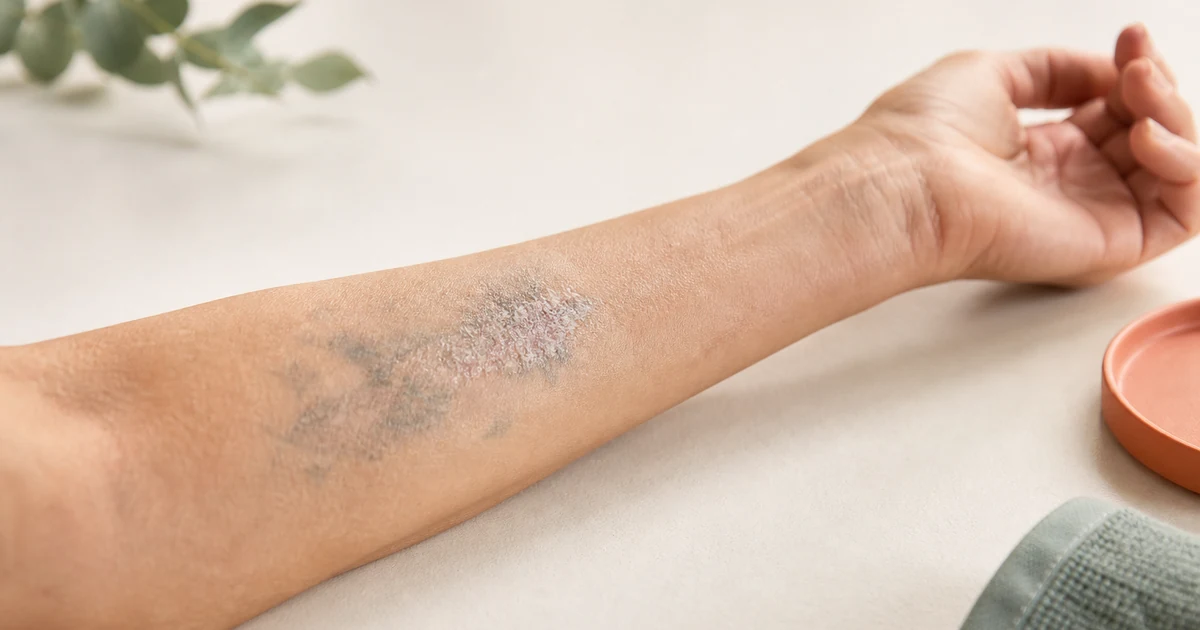
Frosting After Tattoo Removal: What the White Frost Means (2026)
Your tattoo turned white right after the laser? That's frosting — a normal, expected sign the laser hit the ink.
By TRG Editorial Team · Reviewed by Alex Pizarro · Updated 6 Jul 2026
How to Prepare for a Tattoo Removal Session
How to prepare for tattoo removal: a pre-session checklist — avoid sun and self-tanner, shave the area, skip lotions, and what to tell your clinic.
By TRG Editorial Team · Reviewed by Alex Pizarro · Updated 6 Jul 2026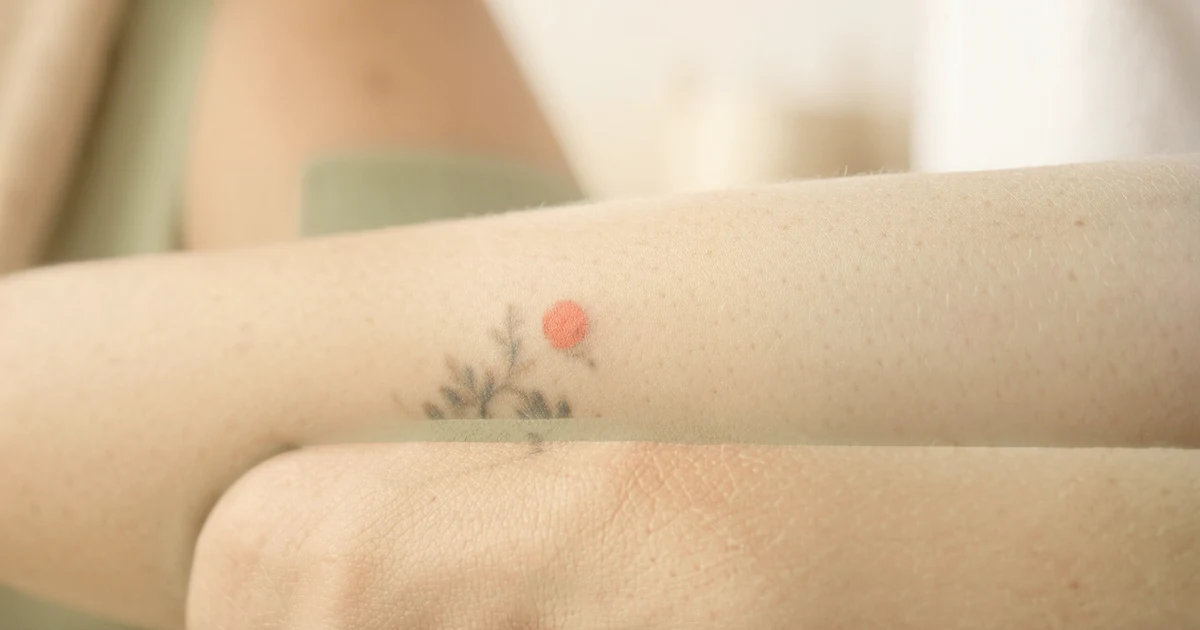
Hyperpigmentation After Tattoo Removal: Will the Dark Patch Go Away?
Hyperpigmentation after tattoo removal is a darker patch that usually fades over weeks to months. Hyper vs hypo, why darker skin is at risk, and when to act.
By TRG Editorial Team · Reviewed by Alex Pizarro · Updated 5 Jul 2026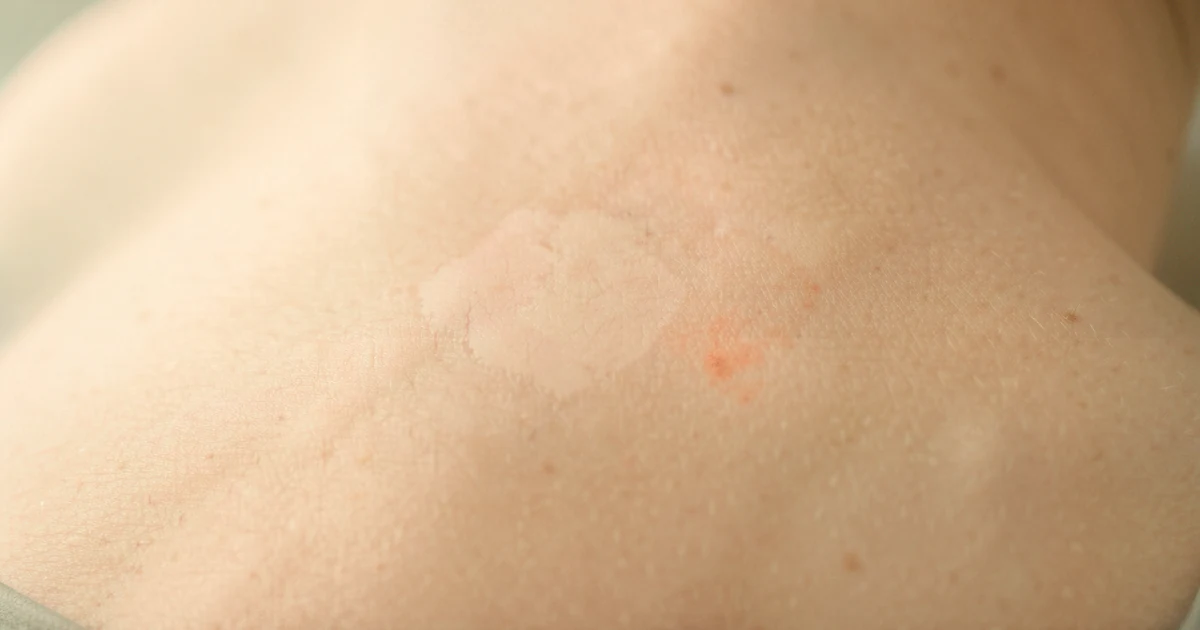
Hypopigmentation After Tattoo Removal: Why Skin Turns Lighter (2026)
Hypopigmentation after tattoo removal is a lighter patch from lost melanin. Why it happens, who's most at risk, whether it's permanent, and how good clinics lower…
By TRG Editorial Team · Reviewed by Alex Pizarro · Updated 6 Jul 2026
Is Laser Tattoo Removal Safe? Risks & Side Effects
Is laser tattoo removal safe? The verdict, a full side-effect table, skin-tone risk, the 2024 lymphoma study explained neutrally, and who should avoid it.
By TRG Editorial Team · Reviewed by Alex Pizarro · Updated 5 Jul 2026
Is Tattoo Removal Safe? Side Effects, Scarring Risk, What to Expect
Laser tattoo removal risks explained: common side effects, scarring risk, how to choose a qualified practitioner, and what 1,235 Australian clinics reveal.
By TRG Editorial Team · Reviewed by Alex Pizarro · Updated 31 Jul 2026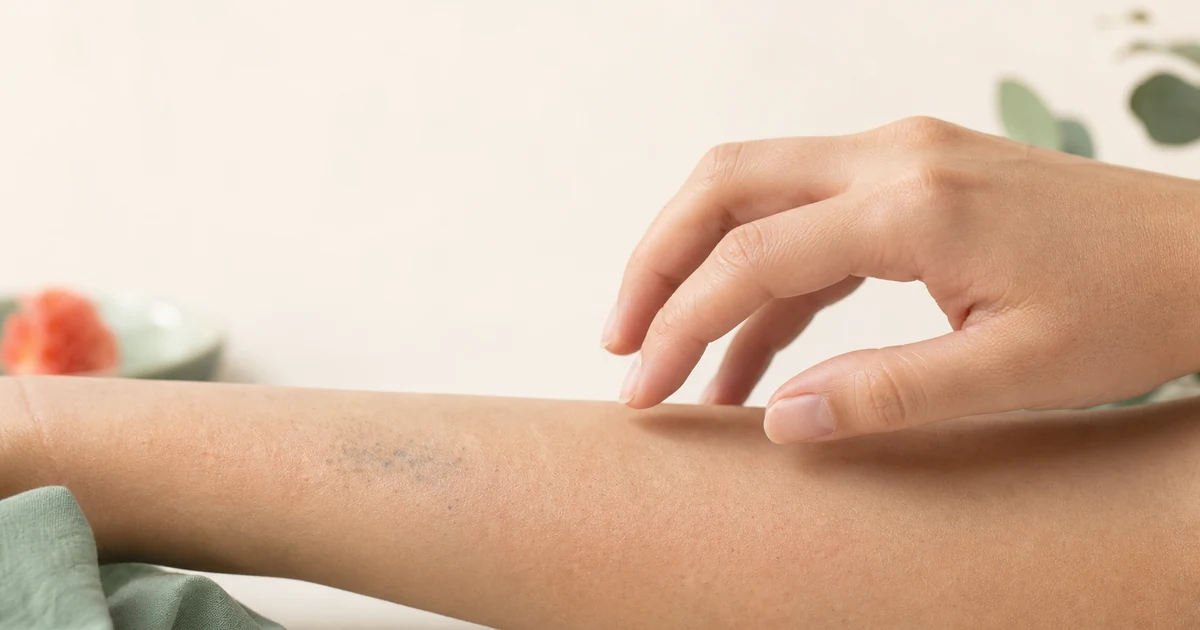
Itching After Tattoo Removal: Why It Happens and What Helps (2026)
Itching after laser tattoo removal is usually normal healing — histamine and scabbing as skin repairs.
By TRG Editorial Team · Reviewed by Alex Pizarro · Updated 6 Jul 2026
Laser tattoo removal safety in Australia — what to know
Laser tattoo removal rules vary by Australian state and territory. The key safety questions to ask, what official guidance exists, and how to protect yourself.
By TRG Editorial Team · Reviewed by Alex Pizarro · Updated 14 Apr 2026
Medications and Conditions That Affect Tattoo Removal (2026 Guide)
Which medications affect tattoo removal? Accutane, blood thinners, antibiotics, immunosuppressants and more — what to disclose at your laser consultation and why.
By TRG Editorial Team · Reviewed by Alex Pizarro · Updated 5 Jul 2026
Numbing Options for Tattoo Removal: How to Reduce the Pain (2026)
What are the numbing options for tattoo removal? Forced cold air, ice, numbing cream and injected anaesthetic compared — how they work, and the safety limits.
By TRG Editorial Team · Reviewed by Alex Pizarro · Updated 6 Jul 2026
Signs of Infection After Tattoo Removal (Normal vs Infected)
Signs of infection after tattoo removal: most early redness and swelling is normal. The real warning signs appear at day 3–7 — here's how to tell them apart.
By TRG Editorial Team · Reviewed by Alex Pizarro · Updated 5 Jul 2026
Swelling After Tattoo Removal
Swelling after laser tattoo removal is normal and usually peaks in 24–72 hours. Why it happens, how to reduce it, and the warning signs that mean you should call a…
By TRG Editorial Team · Reviewed by Alex Pizarro · Updated 6 Jul 2026
Tattoo Removal on Dark Skin: The Laser & Wavelength That Matter
Tattoo removal on dark skin (Fitzpatrick IV–VI) is possible and safe with the right laser — why 1064nm Nd:YAG is the safer wavelength, and the question to ask.
By TRG Editorial Team · Reviewed by Alex Pizarro · Updated 6 Jul 2026
Tattoo Removal on Dark Skin: What You Need to Know in 2026
Discover how tattoo removal works on darker skin tones. Learn which lasers are safest, what risks to watch for, and how to find an experienced practitioner.
By TRG Editorial Team · Reviewed by Alex Pizarro · Updated 31 Jul 2026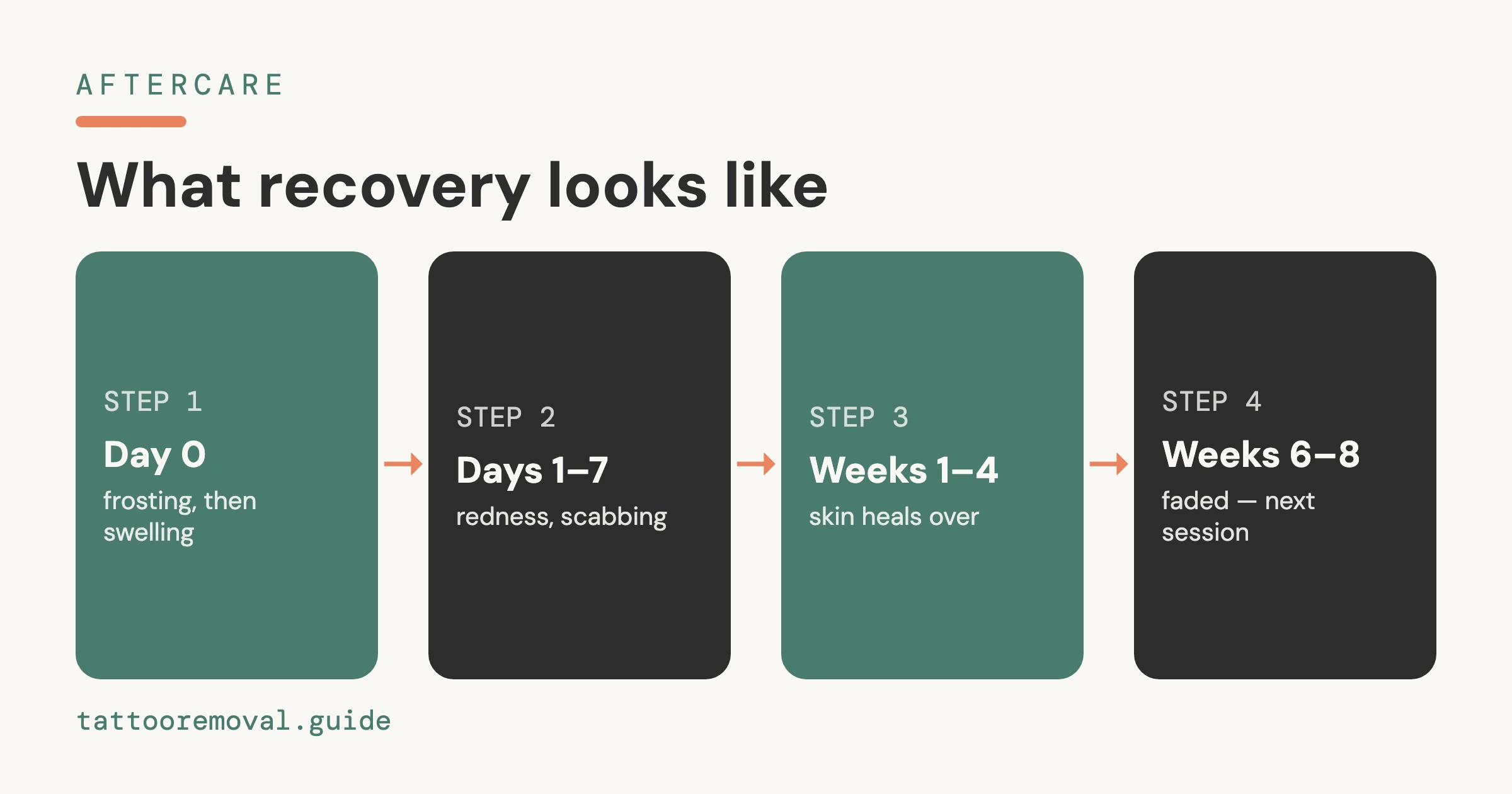
Tattoo Removal Recovery Timeline
A week-by-week tattoo removal recovery timeline: the first 24 hours, scabbing, itching, the 6–8 week gap, and what's normal versus when to call your clinic.
By TRG Editorial Team · Reviewed by Alex Pizarro · Updated 6 Jul 2026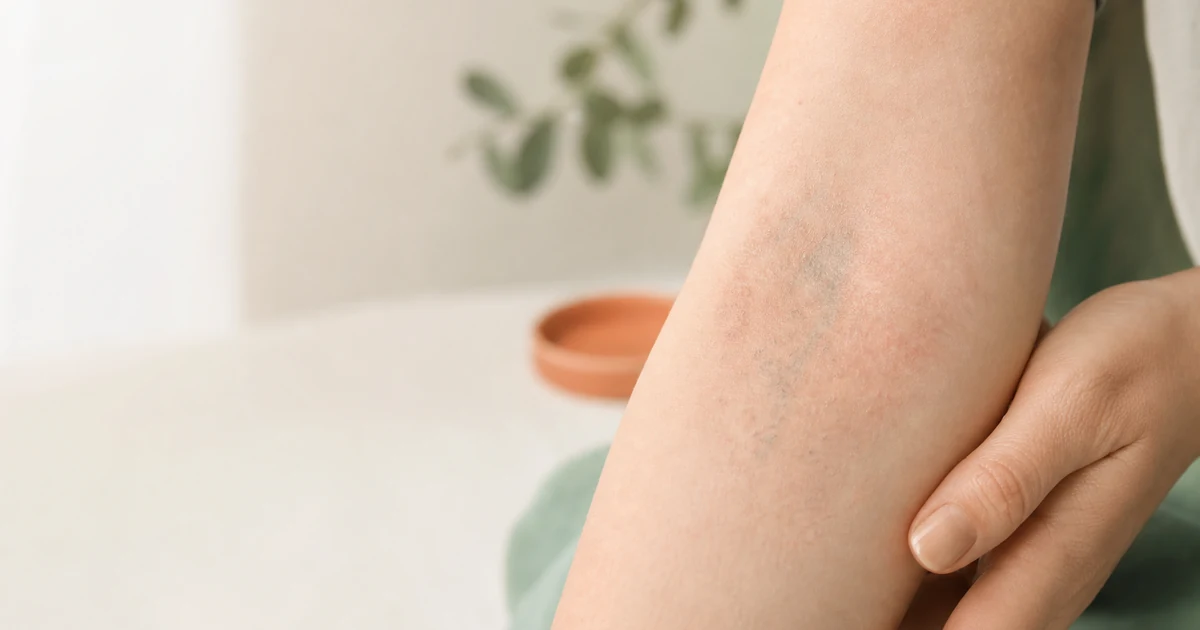
Tattoo Removal Side Effects, Explained (Frosting, Blistering, Pigment
Frosting, blistering, pigment changes — what's normal after a laser session, how common each is, and the signs that mean you should call your clinic.
By TRG Editorial Team · Reviewed by Alex Pizarro · Updated 4 Jul 2026
Tattoo Removal While Pregnant or Breastfeeding
Can you get tattoo removal while pregnant? Most providers say wait — not from proven harm, but because the safety isn't studied.
By TRG Editorial Team · Reviewed by Alex Pizarro · Updated 6 Jul 2026
Tattoo Removal With Keloid-Prone Skin: Can You Still Do It Safely?
Keloid-prone or scar easily? You can often still have laser tattoo removal — but the risk is higher. The cautious approach: consult, test spot, conservative…
By TRG Editorial Team · Reviewed by Alex Pizarro · Updated 5 Jul 2026
What to Avoid After Tattoo Removal: Sun, Swimming & Exercise (2026)
What to avoid after tattoo removal: sun, swimming, hot tubs, sauna and heavy exercise — with a wait-time table and why each rule protects your result.
By TRG Editorial Team · Reviewed by Alex Pizarro · Updated 6 Jul 2026
Where Does Tattoo Ink Go? Ink, Your Lymph Nodes & Removal (2026)
Where does tattoo ink go during laser removal? Macrophages carry shattered ink through your lymphatic system. What's known, what's still uncertain, honestly.
By TRG Editorial Team · Reviewed by Alex Pizarro · Updated 6 Jul 2026
Who Should Not Get Laser Tattoo Removal? The Contraindications
Who should not get laser tattoo removal? Most adults are candidates. The full contraindications checklist — when to wait and when to discuss carefully.
By TRG Editorial Team · Reviewed by Alex Pizarro · Updated 6 Jul 2026
Why a Patch Test Matters Before Tattoo Removal (2026)
Why does a patch test matter before laser tattoo removal? It reveals how your skin and ink react — blistering, pigment change, rare reactions — before a full…
By TRG Editorial Team · Reviewed by Alex Pizarro · Updated 6 Jul 2026
Will Tattoo Removal Scar? Real Risks and How Good Clinics Minimise
Scarring from laser tattoo removal is uncommon but not zero. Here's exactly what causes it — skin type, aftercare, laser settings — and how to lower it.
By TRG Editorial Team · Reviewed by Alex Pizarro · Updated 4 Jul 2026