Tattoo Removal Side Effects, Explained (Frosting, Blistering, Pigment
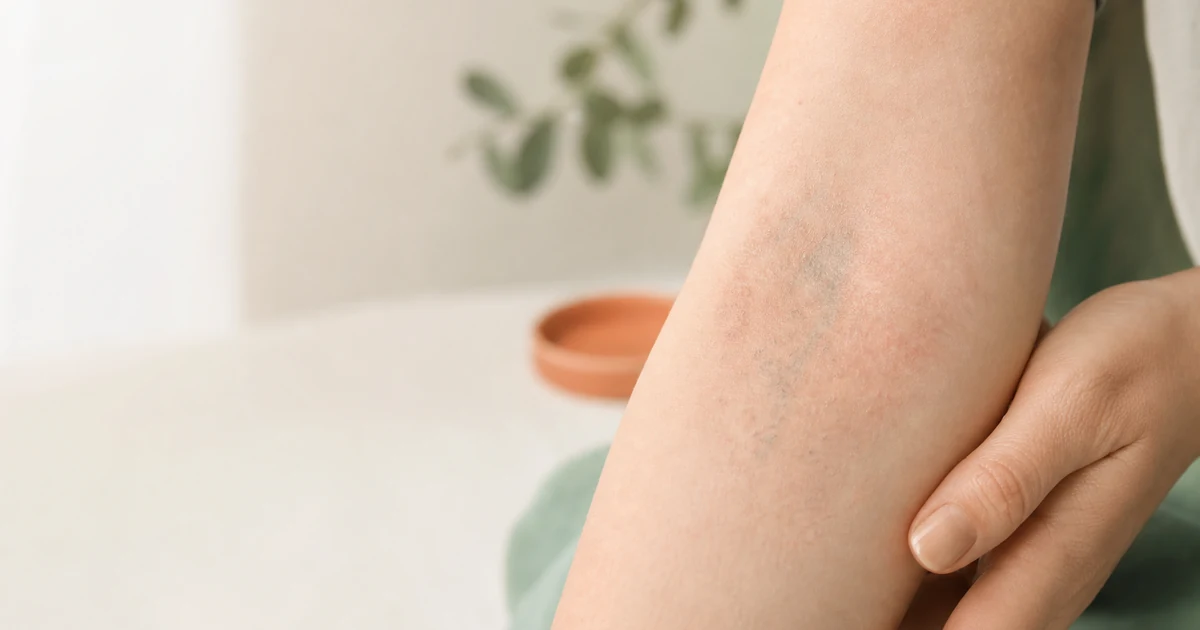
The white "frost" that appears the second the laser hits your skin looks alarming, but it's the most normal thing that happens all session. Most tattoo-removal side effects are temporary and expected; a few are worth a phone call. This guide is the symptom-by-symptom companion to our broader Is Tattoo Removal Safe? overview — here we walk through what each side effect actually is, how common it is, and the line between "normal healing" and "ring the clinic."
Frosting: the white film that means it's working
Frosting is the temporary white-grey discolouration that appears on the tattoo within seconds of the laser pulse. It's caused by carbon dioxide and nitrogen gas releasing as the ink fragments — a sign the laser is reaching the pigment. It usually fades within 15-30 minutes.
Frosting is near-universal during a session and is not a problem in itself. A clinician will often wait for the frost to settle before continuing. There is nothing for you to do about it, and it is not something that should worry you.
Redness, swelling and pinpoint bleeding
Immediately after, the area is typically red, raised and warm, much like a mild sunburn. Some pinpoint bleeding or tiny scabs can appear, especially on a dense or older tattoo. This usually settles within a few hours to a few days. Cool compresses and keeping the area clean and covered, as your clinic directs, are the standard aftercare.
This is the most common side effect of all. When to seek help: redness that spreads outward over several days, increasing rather than easing pain, heat, or yellow-green discharge can point to infection and should be checked by your clinic or a doctor.
Blistering: common, alarming, usually fine
Blisters can form in the hours after treatment as fluid collects under the skin. They can be large and they look dramatic, but they are a recognised part of healing for some people and not a sign something went wrong.
The rule that matters: don't pop them. An intact blister is a sterile dressing your body made for free. Popping it opens a route for infection and raises the small risk of scarring. Let it drain on its own and keep it clean. If a blister is very large, extremely painful, or you're unsure, send your clinic a photo before your next session — many will adjust settings based on how you healed.
Scabbing and itching
Scabs form over the treated area within a few days and can stay for one to two weeks. Itching during healing is common and is a normal part of the skin repairing. Picking or scratching is the main avoidable cause of scarring from tattoo removal, so this is the one place your own behaviour changes the outcome.
Let scabs fall off on their own. A fragrance-free moisturiser, once the skin has closed, can ease itching — confirm timing with your clinic.
Pigment changes: hypopigmentation and hyperpigmentation
These are the side effects most worth understanding, because they take longer to resolve and are more common in some skin tones.
- Hypopigmentation is a lightening of the skin where the laser temporarily slows melanin production. It often recovers over several months but can occasionally persist.
- Hyperpigmentation is a darkening, where the skin overproduces melanin in response to the treatment. It is more common in deeper skin tones and frequently fades over months, helped by strict sun protection.
This is why laser choice and settings are not a "more powerful is better" decision. The right laser for your tattoo depends on your ink colours and your skin type — picosecond and Q-switched lasers are both effective and widely used; the difference is pulse duration, not one being superior. A clinic experienced with your skin tone will choose settings to lower pigment-change risk, which is a fair thing to ask about in a consultation.
Sun exposure is the biggest factor you control. Treated skin sunburns easily and unprotected sun raises the risk of pigment changes, so high-SPF cover between sessions genuinely matters.
Scarring: uncommon, mostly preventable
True scarring from modern laser removal is uncommon when aftercare is followed. The usual causes are picking scabs, popping blisters, infection, or sessions spaced too close together. Honouring the 6-8 week clearing window between sessions gives skin time to recover and your immune system time to clear the fragmented ink, which lowers the risk. Most tattoos take 8-12 sessions with 15-30 minute appointments, so this is a months-long process by design, not a slow one by accident.
When to seek medical help
Call your clinic or a doctor if you notice: spreading redness, increasing pain after the first day or two, fever, pus or foul-smelling discharge (possible infection); a blister or wound that won't heal; or pigment or texture changes that don't begin to improve over a few months. Questions about prescription numbing creams, anything taken by mouth, or surgical removal methods like excision should go to a doctor, not a tattoo or laser clinic.
For most people, side effects are short-lived and manageable, and the clinic you choose — and how it matches the laser to your skin — has a real effect on how smoothly it goes. It's worth comparing on experience with your skin tone, not just price, although price is worth knowing too: in Melbourne, a single session typically runs about $50-$200 across listed clinics (as of July 2026), so the same plan can cost very different amounts a few suburbs apart.
See how sessions are spaced and priced in your city's clinic comparison, or read more on how the removal process works.
Frequently asked questions
Is frosting during tattoo removal a bad sign?
No. Frosting is the temporary white film that appears when the laser reaches the ink and gas is released. It's expected, near-universal during a session, and usually fades within 15-30 minutes.
Should I pop a blister after tattoo removal?
No. An intact blister protects the healing skin underneath and lowers infection and scarring risk. Let it drain on its own, keep it clean, and send your clinic a photo if it's very large or painful.
How common are permanent pigment changes?
Lightening (hypopigmentation) and darkening (hyperpigmentation) are recognised side effects that most often fade over several months. Lasting changes are less common but more likely in deeper skin tones, which is why laser choice, settings, and strict sun protection matter.
How long do side effects last after a session?
Redness and swelling usually settle within hours to a few days, scabs over one to two weeks, and pigment changes over months in the less common cases. The 6-8 week gap between sessions exists partly to let skin fully recover.
When should I see a doctor instead of my clinic?
Seek medical help for signs of infection (spreading redness, worsening pain, fever, pus) or wounds that won't heal. Surgical removal, prescription numbing, or oral medication questions should always go to a doctor.
Side effects are easier to weigh once you can see how clinics near you space sessions and what they charge — compare tattoo removal clinics in your city to find one with experience treating your skin type.
Related Guides
- Safety & Side Effects
Will Tattoo Removal Scar? Real Risks and How Good Clinics Minimise
Scarring from laser tattoo removal is uncommon but not zero. Here's exactly what causes it — skin type, aftercare, laser settings — and how to lower it.
- Safety & Side Effects
Can You Remove a Tattoo at Home? What the Evidence Says
None of the popular at-home tattoo-removal methods reach the ink, and several can burn or scar skin. Here's what actually happens under the surface.
- Safety & Side Effects
Is Tattoo Removal Safe? Side Effects, Scarring Risk, What to Expect
Laser tattoo removal risks explained: common side effects, scarring risk, how to choose a qualified practitioner, and what 1,235 Australian clinics reveal.