Medications and Conditions That Affect Tattoo Removal (2026 Guide)

Several common medications and health conditions can affect the safety or timing of laser tattoo removal — including isotretinoin (Accutane), photosensitising antibiotics, blood thinners, immunosuppressants and diabetes — but none is automatically disqualifying. Each changes your personal risk, which is exactly what a consultation exists to assess. The single rule: disclose your full medical history and every medication you take.
This matters more than most people expect, because removal isn't only about the laser. Your immune system clears the shattered ink, your skin has to heal between sessions, and your blood vessels sit right under the beam — so anything that affects healing, bleeding, light sensitivity or immunity can shift the picture. Of the 5,700 clinics we track, about 27% offer a free consultation (as of July 2026), which is the natural place to have this conversation before anyone fires a laser.
Key Takeaways
- Disclose everything. Medications and conditions change your risk, not the laser's mechanism — the consultation is where that risk gets assessed and the plan adjusted.
- Isotretinoin (Accutane) is nuanced. Many clinics still advise caution or a waiting period, but a 2017 JAMA Dermatology consensus found insufficient evidence to delay non-ablative lasers. Both views are live — ask your prescriber and clinic.
- Photosensitising drugs raise light sensitivity. Some antibiotics (doxycycline), certain diuretics and retinoids can make skin over-react to light.
- Blood thinners mean more bruising, not "no". Never stop a prescribed one yourself.
- Immune status and healing matter because your body does the ink-clearing — immunosuppression, autoimmune disease, diabetes, active infection and cold-sore history all belong on the disclosure list.
- None of these is an automatic "no." They change how, when and how carefully you're treated.
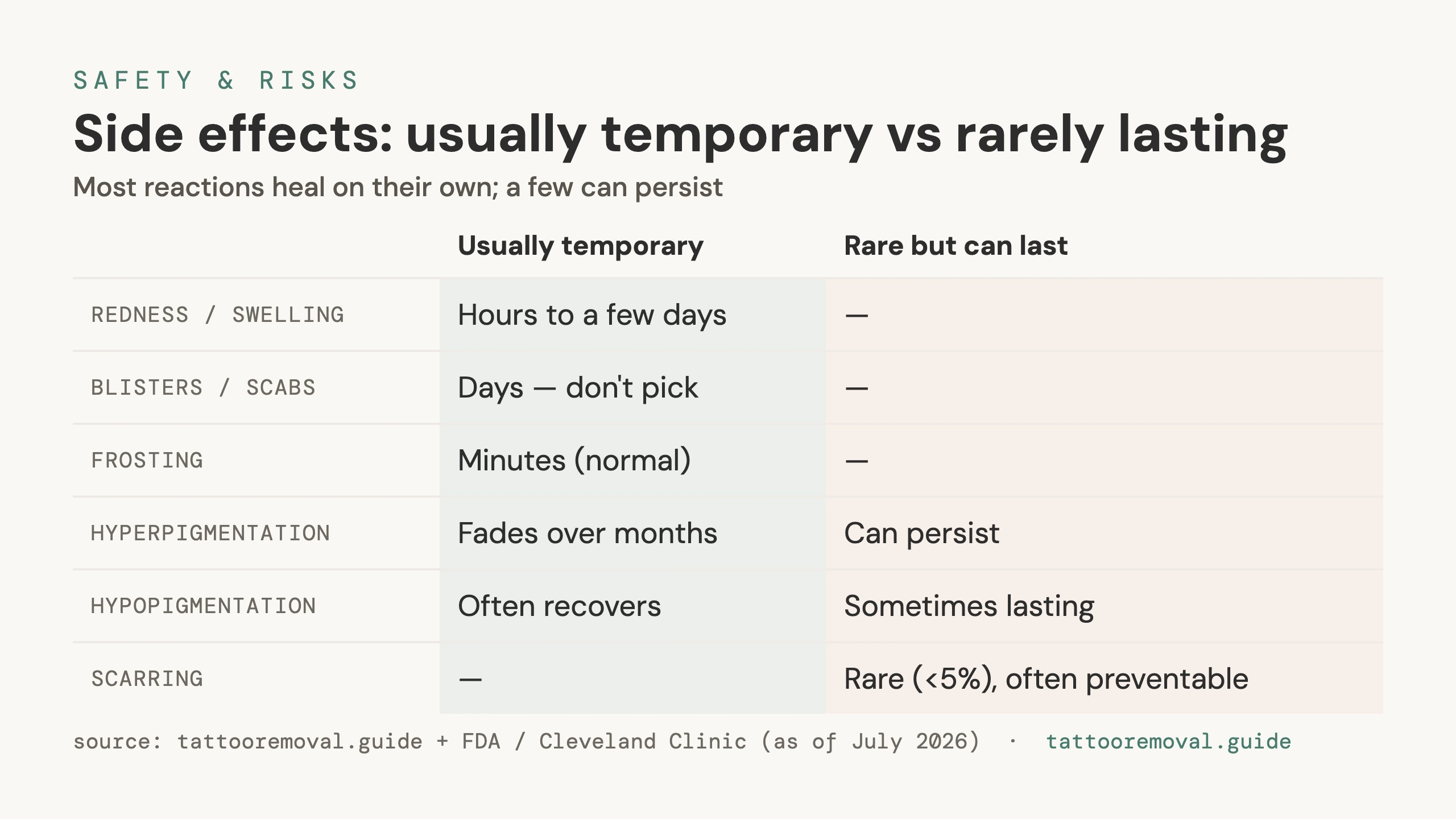 Most side effects heal; a few are rare but can last.
The consolidated list: what to disclose and why
Use this as a checklist for your consultation. It is not a self-diagnosis tool — it's the honest map of why a clinician asks about each item.
| Medication / condition | Why it affects laser tattoo removal | Typical clinical handling |
|---|---|---|
| Isotretinoin (Accutane) | Increases photosensitivity, slows wound healing, and leaves skin drier and more fragile. Historically the reason for a waiting period. | Two views, both current: many providers advise caution or a wait; the 2017 JAMA Dermatology consensus found insufficient evidence to delay non-ablative laser. Decision is individual — involve your prescriber. |
| Photosensitising drugs (some antibiotics e.g. doxycycline/tetracyclines; certain diuretics; retinoids) | Raise the skin's reactivity to light, which can exaggerate the response to the laser. | Disclose the drug and reason; clinic may adjust settings, patch test, or wait until a short course finishes. |
| Blood thinners / anticoagulants (warfarin, DOACs, regular aspirin) | The laser's photoacoustic shockwave can rupture tiny vessels, so bruising and pinpoint bleeding are more likely. | Rarely a "no" — never stop a prescribed one yourself. Clinician plans aftercare and sets bruising expectations. |
| Immunosuppressants / autoimmune conditions | Your immune system clears the shattered ink; suppressing or dysregulating it can slow clearance and healing. | Disclose; may mean slower results, wider session spacing, and closer monitoring. |
| Active skin infection at or near the site | Treating infected skin risks spreading it and impairs healing. | Postpone until the infection resolves. |
| Diabetes (especially poorly controlled) | Slower wound healing and higher infection risk between sessions. | Not disqualifying; better glycaemic control and careful aftercare reduce risk. |
| History of cold sores (herpes) near the site | Laser trauma can trigger a reactivation (outbreak) in the treated area. | Clinician may prescribe antiviral cover around sessions as a precaution. |
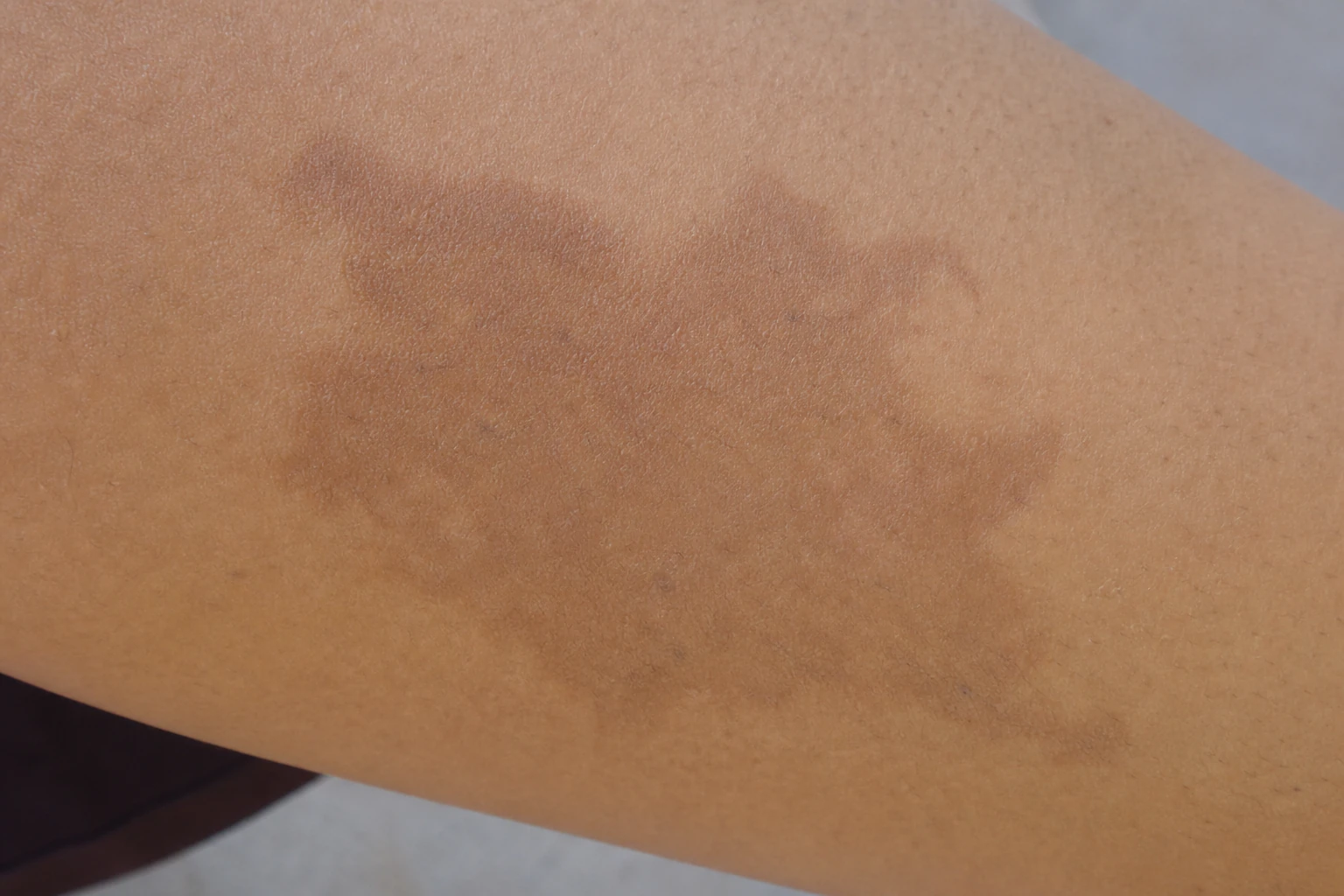 Some medications and conditions raise the risk of pigment changes after treatment.
Photosensitivity: the term to understand
Photosensitivity is an increased or abnormal reactivity of the skin to light — usually ultraviolet or visible light — often triggered or worsened by certain medications. In practical terms, a photosensitised person's skin can react more strongly to the same light exposure than it otherwise would. As the StatPearls clinical reference on photosensitivity explains, common culprits include tetracycline antibiotics, thiazide diuretics, NSAIDs and retinoids, and reactions can be phototoxic (a direct, sunburn-like response) or photoallergic (an immune reaction).
Why it matters for removal: a laser is an intense, targeted light source. If a drug has already turned up your skin's sensitivity to light, the margin for an exaggerated or adverse reaction narrows. That doesn't mean treatment is off the table — it means the clinician needs to know, so they can dial settings conservatively, patch-test, or time your sessions around a short medication course.
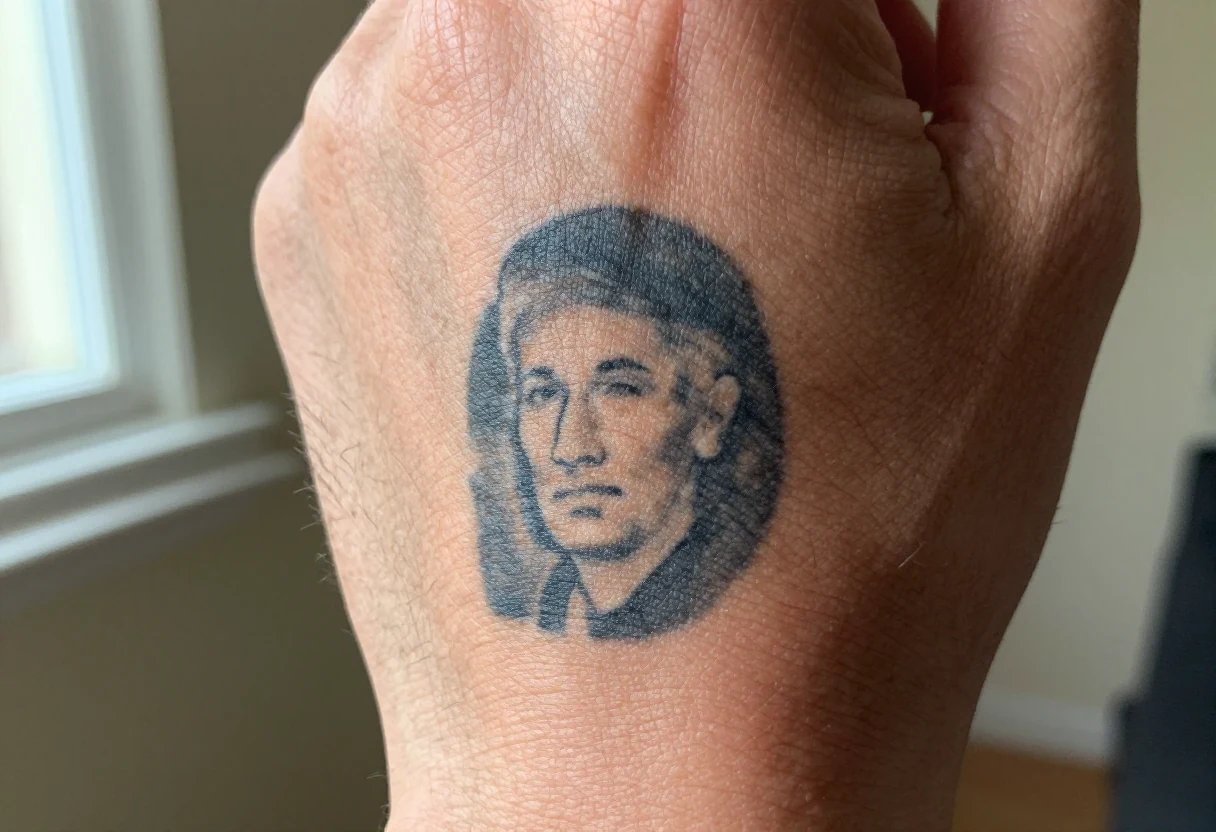 A forearm tattoo during removal.
Why none of this is automatically disqualifying
Here's the honest framing that most "can I get removal on X?" searches are really asking: almost none of these medications or conditions is a hard stop. They are risk modifiers. The laser's mechanism doesn't change — ultra-short pulses shatter the ink and your immune system clears it, as the StatPearls laser tattoo removal reference describes. What changes is your body's response: how much you bruise, how your skin tolerates light, how quickly you heal and clear.
That's precisely why a consultation is not a formality. A clinician who knows you're on a blood thinner plans for bruising. One who knows you get cold sores can prescribe antiviral cover. One who knows you're mid-course on doxycycline can wait two weeks. The risk is manageable when it's known. The genuine danger is the undisclosed medication — the clinician can't manage a risk they've never been told about. The American Academy of Dermatology likewise stresses seeing a qualified provider who takes a full history.
There is a small set of situations where a clinic will genuinely pause or decline — active infection at the site, certain uncontrolled conditions, or pregnancy as a precaution. Those overlap with our companion guide on who should not get laser tattoo removal. But "pause and reassess" is far more common than "never."
The Accutane question, answered honestly
Isotretinoin deserves its own note because the advice has genuinely shifted and you'll find both versions online. The traditional caution: because isotretinoin increases photosensitivity, slows healing and thins the skin barrier, many providers have advised waiting — often around six months — before laser procedures. The updated evidence: the 2017 JAMA Dermatology systematic review and consensus by Waldman and colleagues reviewed the literature and found insufficient evidence to support delaying non-ablative and fractional laser procedures for patients on or recently finished with isotretinoin. (The same panel did still advise against fully ablative laser and mechanical dermabrasion during treatment.)
Because most laser tattoo removal uses non-ablative Q-switched or picosecond devices, the newer consensus is directly relevant — but not every clinic has updated its protocol, and your prescribing doctor may have their own view for your situation. The right move is to present both to your clinic and your prescriber and make an informed, individual decision rather than assuming a single fixed rule.
This is general information, not medical advice. Laser tattoo removal is a medical procedure, and the interactions above depend on your specific medications, dosage, health and skin. Never start, stop or change a prescribed medication to get treatment — consult a licensed provider and your prescriber for advice about your situation.
Compare clinics that take a proper history
The clinics worth your time are the ones that ask about all of this before switching on a laser — a thorough medical intake is itself a quality signal. Because consultation practices, laser types and aftercare vary from clinic to clinic, the most useful next step is to compare the options where you live.
Compare tattoo-removal clinics in your city to see who offers a free consultation and what they list, or start with a dense market like tattoo removal in Melbourne to see how listings stack up side by side. For the bigger safety picture, read our pillar guide, is laser tattoo removal safe?
Frequently asked questions
What medications affect laser tattoo removal?
The medications most relevant to laser tattoo removal are isotretinoin (Accutane), photosensitising drugs such as some antibiotics (doxycycline), certain diuretics and retinoids, blood thinners and anticoagulants, and immunosuppressants. None automatically disqualifies you, but each can change your risk of bruising, light sensitivity or slower healing, so disclose your full medication list at consultation.
Can I get laser tattoo removal on Accutane?
It depends on your provider and situation. Many clinics have traditionally advised waiting around six months after isotretinoin, but a 2017 JAMA Dermatology consensus review found insufficient evidence to delay non-ablative laser procedures for patients on or recently finished with isotretinoin. Practices still vary, so ask your prescriber and clinic directly rather than assuming a fixed rule.
Can I get tattoo removal while taking antibiotics?
Sometimes, but some antibiotics such as doxycycline and other tetracyclines are photosensitising — they make skin more reactive to light, which can raise the risk of an exaggerated response to the laser. Tell your clinic which antibiotic you take and why. They may adjust settings or wait until you finish the course; an active infection is a separate reason to postpone.
Do blood thinners affect laser tattoo removal?
Blood thinners and anticoagulants such as warfarin, aspirin or DOACs don't stop laser tattoo removal, but they raise the likelihood of bruising and pinpoint bleeding after a session because the laser's shockwave can rupture tiny vessels. Never stop a prescribed blood thinner on your own — disclose it so the clinician can plan aftercare and set expectations.
What health conditions affect tattoo removal?
Conditions that can affect laser tattoo removal include immunosuppression or autoimmune disease, poorly controlled diabetes, active skin infection at the site, and a history of cold sores (herpes) near the area. Because your immune system clears the shattered ink, anything that slows healing or immune clearance can slow results or raise risk — all reasons to disclose your history.
Why does the clinic need my full medical history for tattoo removal?
Because laser tattoo removal is a medical procedure, and your medications and conditions change your personal risk profile, not the laser itself. A consultation exists to assess that risk — light sensitivity, bleeding, healing speed, infection and cold-sore history — and adjust the plan. Withholding a drug or diagnosis removes the clinician's ability to keep the treatment safe for you.
Does isotretinoin (Accutane) cause photosensitivity?
Yes. Isotretinoin commonly increases photosensitivity, meaning skin becomes more reactive to light, and it also slows wound healing while the skin is drier and more fragile. Those effects are the historical reason for caution around procedures, even though recent consensus finds non-ablative lasers generally safe. Sun protection and disclosing current or recent use are both important.
Related guides
Related Guides
- Safety & Risks
Why a Patch Test Matters Before Tattoo Removal (2026)
Why does a patch test matter before laser tattoo removal? It reveals how your skin and ink react — blistering, pigment change, rare reactions — before a full…
- Safety & Risks
Who Should Not Get Laser Tattoo Removal? The Contraindications
Who should not get laser tattoo removal? Most adults are candidates. The full contraindications checklist — when to wait and when to discuss carefully.
- Safety & Risks
Tattoo Removal While Pregnant or Breastfeeding
Can you get tattoo removal while pregnant? Most providers say wait — not from proven harm, but because the safety isn't studied.