Hyperpigmentation After Tattoo Removal: Will the Dark Patch Go Away?
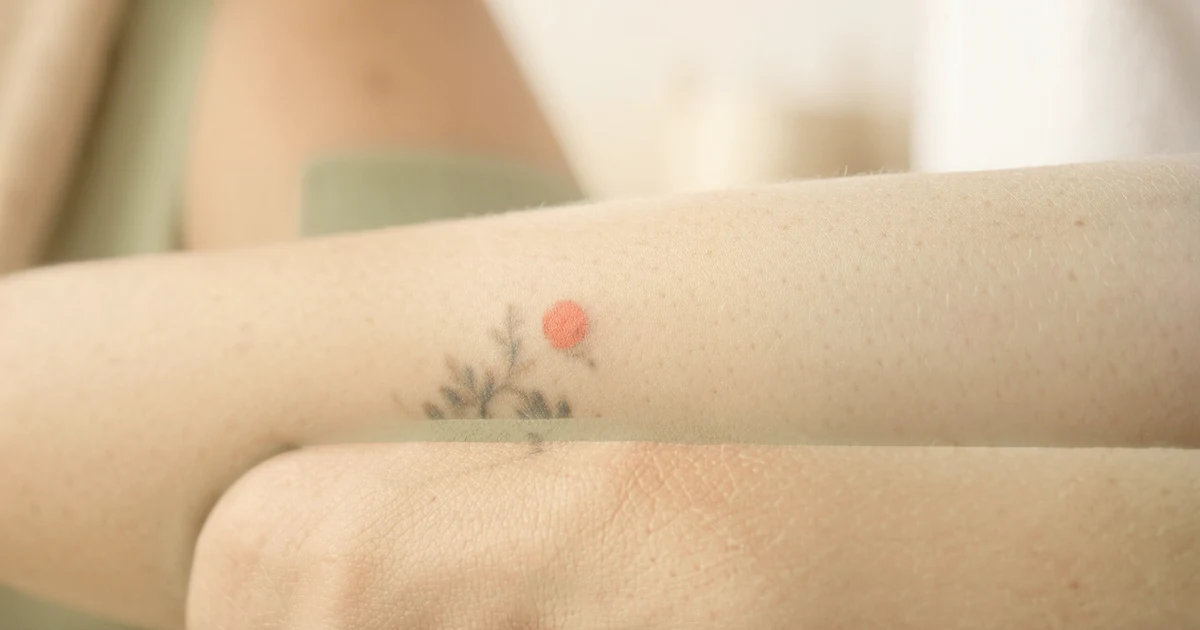
Pigment changes after laser tattoo removal are usually temporary. The most common is hyperpigmentation — a darker patch that appears as the skin heals — which typically fades on its own over several weeks to a few months. Its opposite, hypopigmentation (a lighter patch), can take longer to recover. Both are more likely on darker skin, and neither is a scar.
If a patch has appeared where your tattoo used to be, this guide explains what it is, how to tell it apart from scarring and "ghosting", why darker skin tones carry more risk, and what raises or lowers the odds — using medical sources and figures from the Tattoo Removal Guide directory, stamped (as of July 2026).
Key Takeaways
- Hyperpigmentation = a darker patch from the skin over-producing melanin; it usually fades over weeks to months.
- Hypopigmentation = a lighter patch from reduced melanin; it tends to recover more slowly, sometimes over many months.
- Both are more likely on darker skin (Fitzpatrick IV–VI) because melanin competes with the laser for energy.
- Pigment change is not scarring (a texture change) and not ghosting (a faint ink shadow) — they are different things.
- Risk drops with the right wavelength, conservative settings, longer spacing and strict sun protection. Of the 5,700 clinics we track, about 18% note picosecond lasers and 15% note Q-switched (as of July 2026) — both are effective; the safer choice for dark skin is usually the 1064nm wavelength either device delivers.
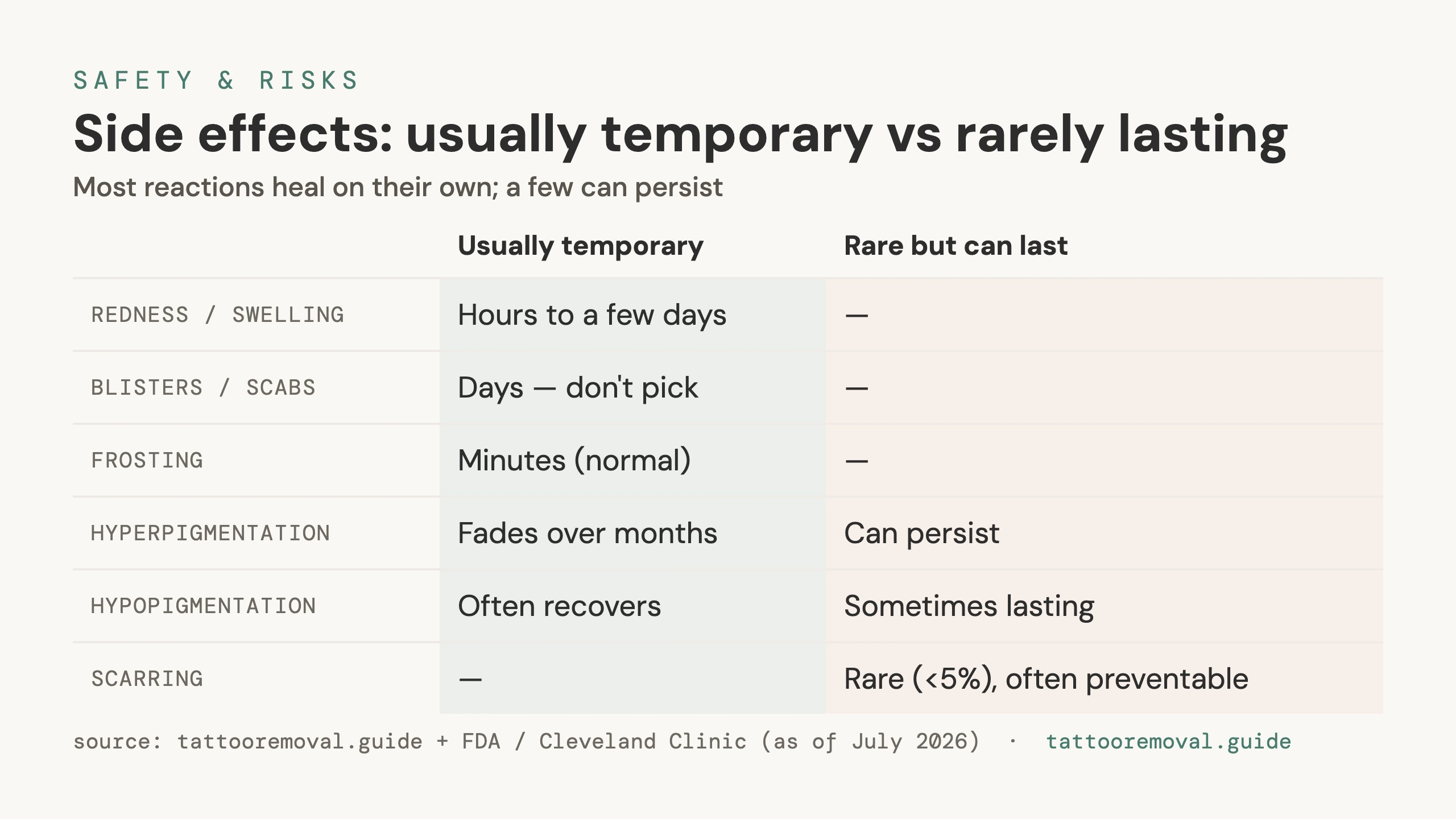 Most side effects heal; a few are rare but can last.
What is hyperpigmentation after tattoo removal?
Hyperpigmentation is a darker patch of skin caused by the skin over-producing melanin — the pigment that gives skin its colour — in response to irritation. After laser tattoo removal it is a form of post-inflammatory hyperpigmentation: the laser's heat inflames the treated area, and as the skin heals it can lay down extra melanin there. The result is a patch that looks tan, brown or grey-brown, sitting roughly where the tattoo was.
The reassuring part is the timeline. As the American Academy of Dermatology notes, temporary skin darkening or lightening is a recognised, usually self-resolving side effect of laser removal. In most people the extra melanin is gradually cleared and the patch fades over several weeks to a few months as the skin returns to its baseline. It is a pigment shift, not permanent damage.
 Dense black ink — the easiest colour to clear.
What is hypopigmentation — and how is it different?
Hypopigmentation is a lighter patch of skin caused by reduced or disrupted melanin production. Where hyperpigmentation is the skin making too much pigment, hypopigmentation is the skin making too little — so the treated area looks paler than the skin around it, sometimes almost white.
The practical difference is recovery time. Hyperpigmentation usually fades on its own fairly quickly; hypopigmentation is often slower to resolve and can persist for many months, because the pigment-producing cells need longer to recover their normal output. In a minority of cases it lasts a long time. It is still, in most people, a temporary effect rather than a scar — but it is the pigment change more likely to linger.
Hyperpigmentation vs hypopigmentation at a glance
| Hyperpigmentation | Hypopigmentation | |
|---|---|---|
| Appearance | Darker patch (tan, brown, grey-brown) | Lighter patch (pale, sometimes near-white) |
| Cause | Skin over-produces melanin after irritation | Skin under-produces melanin / pigment cells disrupted |
| Typical recovery | Usually fades over weeks to months | Often slower — can take many months or longer |
| Texture | Normal (flat) | Normal (flat) |
| More common on | Darker skin tones | Darker skin tones |
Both are flat colour changes — you can see them but not feel them. That single fact is the key to telling them apart from the two things people most often confuse them with.
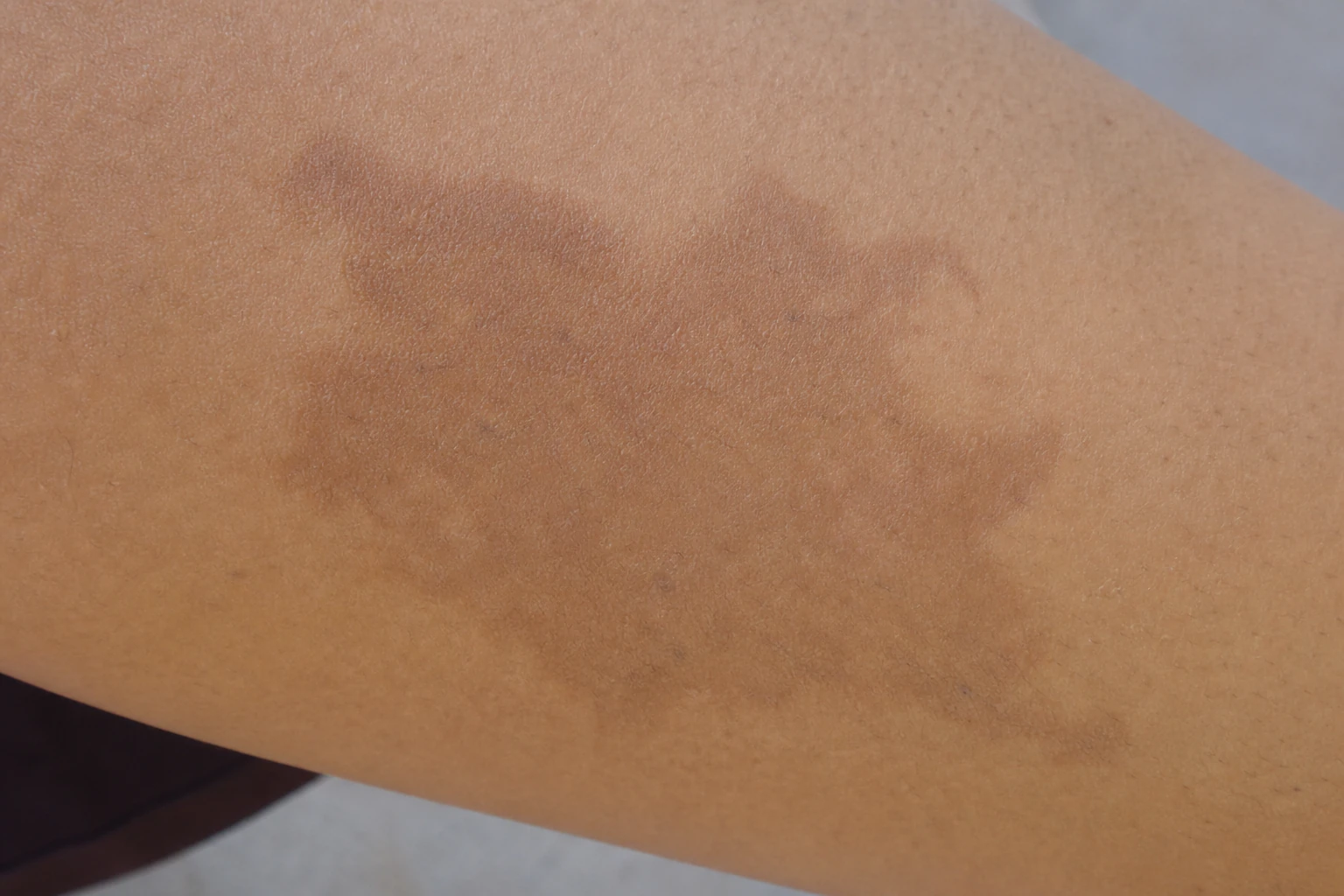 Hyperpigmentation — a darker patch of skin where the tattoo was treated.
It isn't scarring — and it isn't ghosting
Three different things can remain after removal, and they are frequently mixed up:
- Pigment change (hyper- or hypopigmentation) is a difference in colour with normal skin texture. Run a fingertip over it and it feels like ordinary skin.
- Scarring is a change in skin texture — raised, thickened, indented or shiny tissue you can feel — caused by the skin's repair process, not by melanin. It is more likely if the area was picked, blistered badly, or over-treated. Scarring is the outcome that can be permanent, which is why aftercare matters.
- Ghosting is a faint outline or shadow of the old tattoo left after the ink has largely cleared — a pigment/tissue trace of the design itself, not a reaction patch.
If what you're seeing is flat and simply a different colour, it's almost certainly pigment change and likely to settle. If you can feel a texture difference, that points toward scarring, and it's worth a provider's assessment. For the fuller picture on what can and can't go wrong, see our pillar guide, is laser tattoo removal safe?
Why darker skin is more at risk
Both pigment changes are more common on darker skin (Fitzpatrick skin types IV–VI), and the reason is built into how the laser works. A tattoo-removal laser targets pigment. Melanin is pigment — so on darker skin, the melanin in the skin itself absorbs some of the laser's energy alongside the tattoo ink. The StatPearls clinical reference on laser tattoo removal describes this competition: energy meant for the ink is partly taken up by skin melanin, which raises the chance of a pigment reaction in the surrounding skin.
This is a risk to manage, not a reason to avoid removal. The single most important factor is a clinician experienced with your skin tone, using an appropriate wavelength and settings. Our sibling guide goes deeper on this: tattoo removal on dark skin.
What raises the risk — and what lowers it
Pigment change is largely predictable, which means it's largely preventable. The Cleveland Clinic's overview of laser tattoo removal and standard dermatology practice point to the same levers:
| Raises the risk | Lowers the risk |
|---|---|
| Wrong wavelength for the skin tone | 1064nm (Nd:YAG) on darker skin — less absorbed by melanin |
| Aggressive, high-energy settings | Conservative settings, adjusted to your skin |
| Sun exposure / tanning before or after a session | Strict sun protection (cover + SPF) around each session |
| Sessions crowded too close together | Longer spacing so skin fully heals between passes |
| Picking scabs or poor aftercare | Following aftercare exactly; never picking |
Notice how much sits with the clinic's technique and your sun habits, rather than with luck. Choosing a provider who matches the laser to your skin — and protecting the area from the sun — does more to prevent a lasting patch than anything applied afterwards.
Will the patch go away — and when should you act?
For most people, yes: hyperpigmentation fades over weeks to months, and hypopigmentation over a longer window, as the skin recovers. In the meantime, sun protection is the most useful thing you can do, because UV exposure both deepens a dark patch and slows its clearance.
See your provider if a patch is spreading, hasn't improved after several months, or is accompanied by a raised or sunken texture, pain, prolonged blistering, or signs of infection — those point beyond ordinary pigment change and deserve a hands-on look. A clinician can distinguish pigment change from scarring and advise on options.
This is general information, not medical advice. Laser tattoo removal is a medical procedure with real risks, including pigment change and scarring. How your skin responds depends on your skin type, the device and the settings — consult a licensed provider about your specific situation.
Compare clinics before you commit
Because the risk of pigment change depends so heavily on the wavelength a clinic uses and how experienced it is with your skin tone, the most useful thing you can do before booking is compare the options where you live — and ask each one which wavelengths its lasers deliver and how it treats darker skin.
Compare tattoo-removal clinics in your city to see what's available near you, or start with a dense market like tattoo removal in Melbourne to see how listings and equipment stack up side by side.
Frequently asked questions
Is hyperpigmentation after tattoo removal permanent?
Usually not. Post-treatment hyperpigmentation — a darker patch where the skin over-produced melanin — most often fades on its own over several weeks to a few months as the skin recovers. Sun protection speeds the fade; sun exposure prolongs it. Persistent patches can be assessed by a provider, but permanent darkening from laser removal is uncommon.
What is the difference between hyperpigmentation and hypopigmentation?
Hyperpigmentation is a darker patch caused by the skin over-producing melanin after irritation, and it usually fades over weeks to months. Hypopigmentation is a lighter patch caused by reduced or damaged melanin production, and it tends to be slower to recover — sometimes lasting many months or longer. Both are temporary pigment shifts, not scars.
Why do I have a dark patch after tattoo removal?
A dark patch after laser tattoo removal is usually post-inflammatory hyperpigmentation: the laser's heat irritates the skin, and healing skin responds by producing extra melanin in that area. It is more common on darker skin tones and after sun exposure. In most cases it settles and fades over weeks to months as the skin fully heals.
Does tattoo removal cause more pigment problems on dark skin?
Yes, the risk is higher on darker skin (Fitzpatrick IV–VI) because melanin in the skin competes with tattoo ink for the laser's energy. This makes both hyperpigmentation and hypopigmentation more likely. Providers reduce the risk by using a 1064nm wavelength, conservative settings, longer spacing between sessions, and strict sun protection.
How do I tell pigment change apart from scarring?
Pigment change is a flat difference in colour — a darker or lighter patch — with normal skin texture you can't feel. Scarring is a change in texture: raised, thickened, sunken, or shiny skin you can feel with your fingertip. Ghosting is a faint outline of the old tattoo. A provider can confirm which one you have.
How can I prevent hyperpigmentation during tattoo removal?
You can lower the risk by protecting the treated area from the sun before and after each session, avoiding tanning, following aftercare exactly, and not rushing the spacing between sessions. Choosing a clinic experienced with your skin tone — one using an appropriate wavelength and conservative settings — matters most. Never pick at scabs, which can trigger pigment change.
When should I see a provider about a patch after tattoo removal?
See your provider if a dark or light patch is spreading, hasn't improved after several months, or comes with pain, a raised or sunken texture, blistering, or signs of infection. These may signal scarring or another issue rather than ordinary pigment change. This is general information, not medical advice — a licensed clinician should assess your skin.
Related guides
Related Guides
- Safety & Risks
Why a Patch Test Matters Before Tattoo Removal (2026)
Why does a patch test matter before laser tattoo removal? It reveals how your skin and ink react — blistering, pigment change, rare reactions — before a full…
- Safety & Risks
Who Should Not Get Laser Tattoo Removal? The Contraindications
Who should not get laser tattoo removal? Most adults are candidates. The full contraindications checklist — when to wait and when to discuss carefully.
- Safety & Risks
Tattoo Removal While Pregnant or Breastfeeding
Can you get tattoo removal while pregnant? Most providers say wait — not from proven harm, but because the safety isn't studied.