Blisters After Tattoo Removal: Normal or a Sign of Trouble?
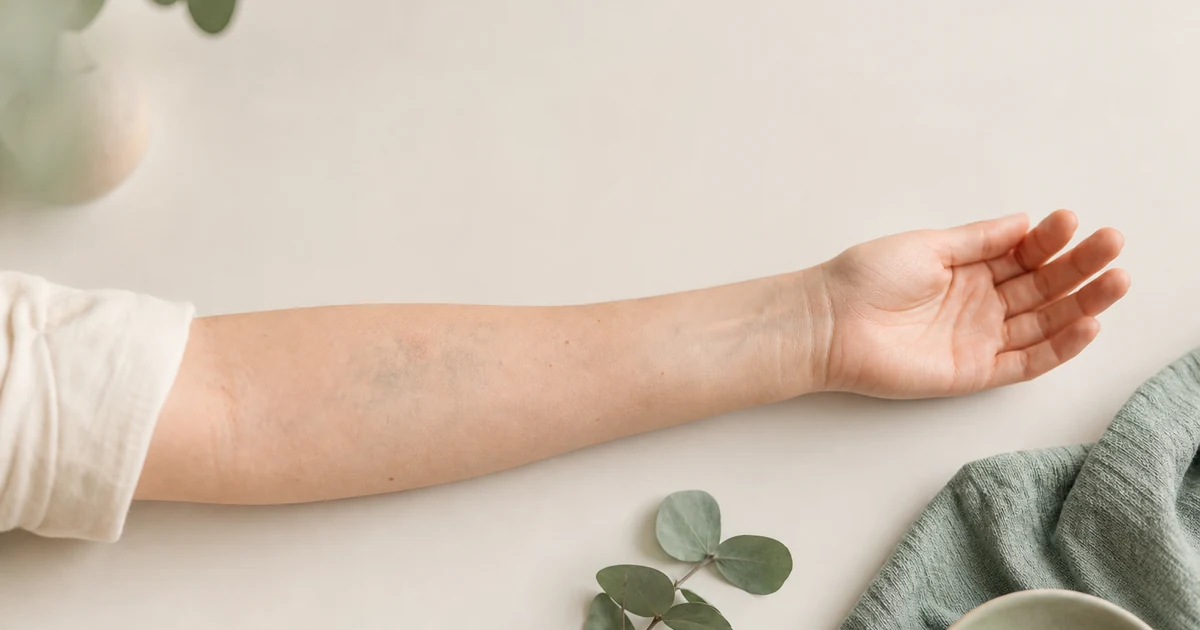
Blisters after laser tattoo removal are common and usually normal — they are the body's response to the rapid heating the laser uses to shatter ink, they typically appear within a few hours of treatment, and they usually resolve on their own in about 3 to 7 days. The single most important rule: do not pop them. An intact blister protects the healing skin underneath.
If you've just had a session and woken up to a fluid-filled bump over your tattoo, this is one of the most predictable side effects of removal — not a sign the treatment failed or damaged you. This guide explains why blisters form, how to care for them, and, crucially, the clear line between normal healing and the warning signs that mean you should call a doctor.
Key Takeaways
- Blisters after laser tattoo removal are common and usually normal — a healing response to rapid heating, appearing within hours and resolving in roughly 3–7 days.
- Never pop a blister. The intact roof is a sterile barrier; popping it raises the risk of infection and scarring.
- Normal: small blisters, mild redness and tenderness that improve within a week. Concerning: spreading redness, pus, red streaks, fever, or pain that increases at day 3–7 — possible infection, see a provider.
- Thinner-skinned, lower-circulation areas (ankles, wrists, fingers, feet) and dense or dark ink tend to blister more.
- Blistering is a side effect across removal generally, not a feature of any one device. Of the ~5,700 clinics we track, about 18% publicly note picosecond lasers and 15% note Q-switched (as of July 2026) — a floor, not full adoption, since most don't specify.
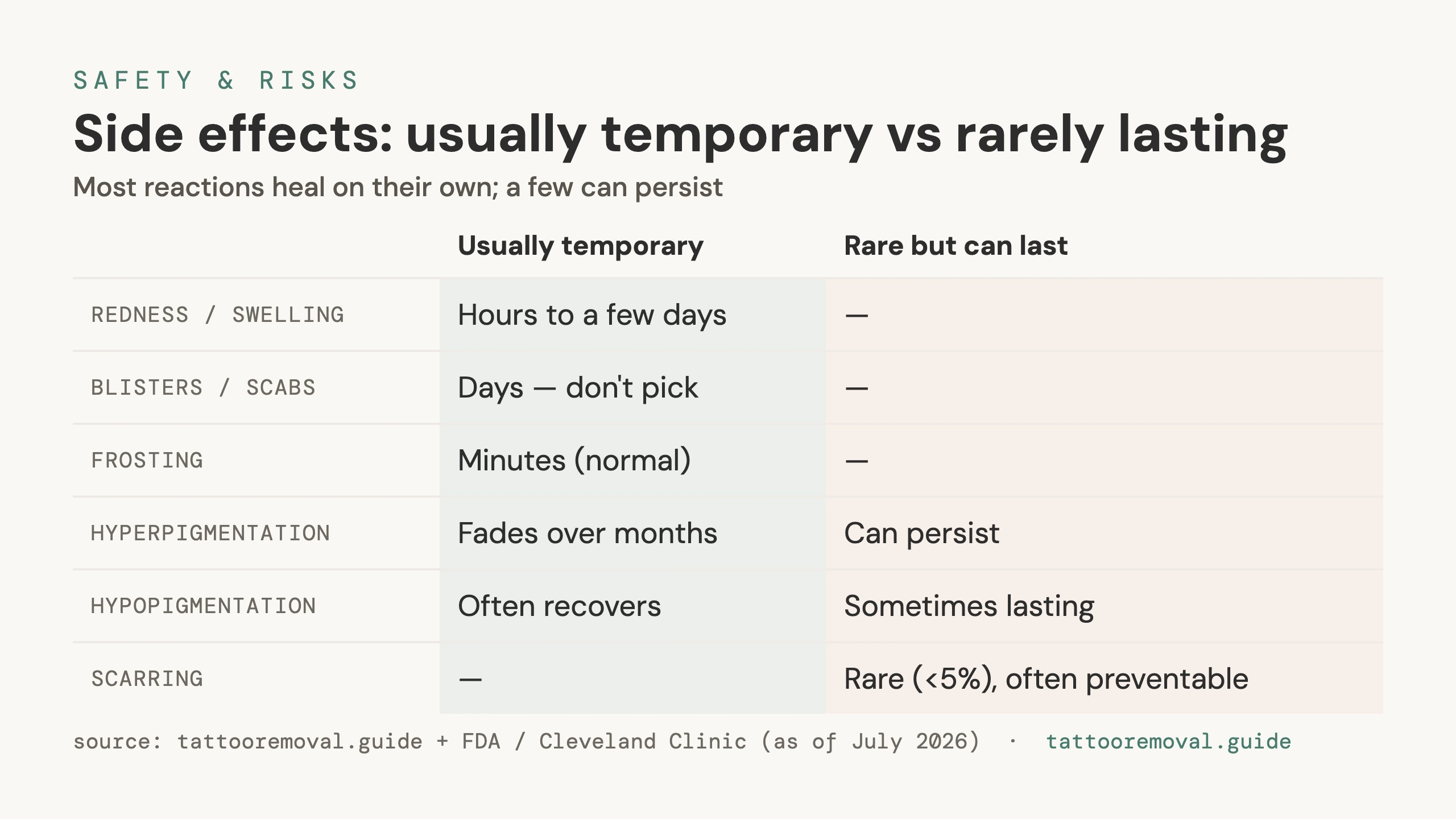 Most side effects heal; a few are rare but can last.
Why does laser tattoo removal cause blisters?
A blister after tattoo removal is a raised pocket of fluid that forms as the skin reacts to the laser's heat. To break up ink, the laser delivers ultra-short pulses that are absorbed by the pigment and heat it almost instantly — the Cleveland Clinic describes this as the laser breaking the ink into smaller particles the body can clear. That rapid, localised heating also affects the surrounding tissue, and one of the body's normal responses is to draw fluid to the area, lifting the top layer of skin into a blister.
In other words, blistering is a byproduct of the same mechanism that makes removal work. It's a sign your skin is reacting and beginning to heal, not evidence of a burn gone wrong. The StatPearls clinical reference on laser tattoo removal lists blistering among the expected, generally self-limiting side effects, alongside redness, swelling and scabbing.
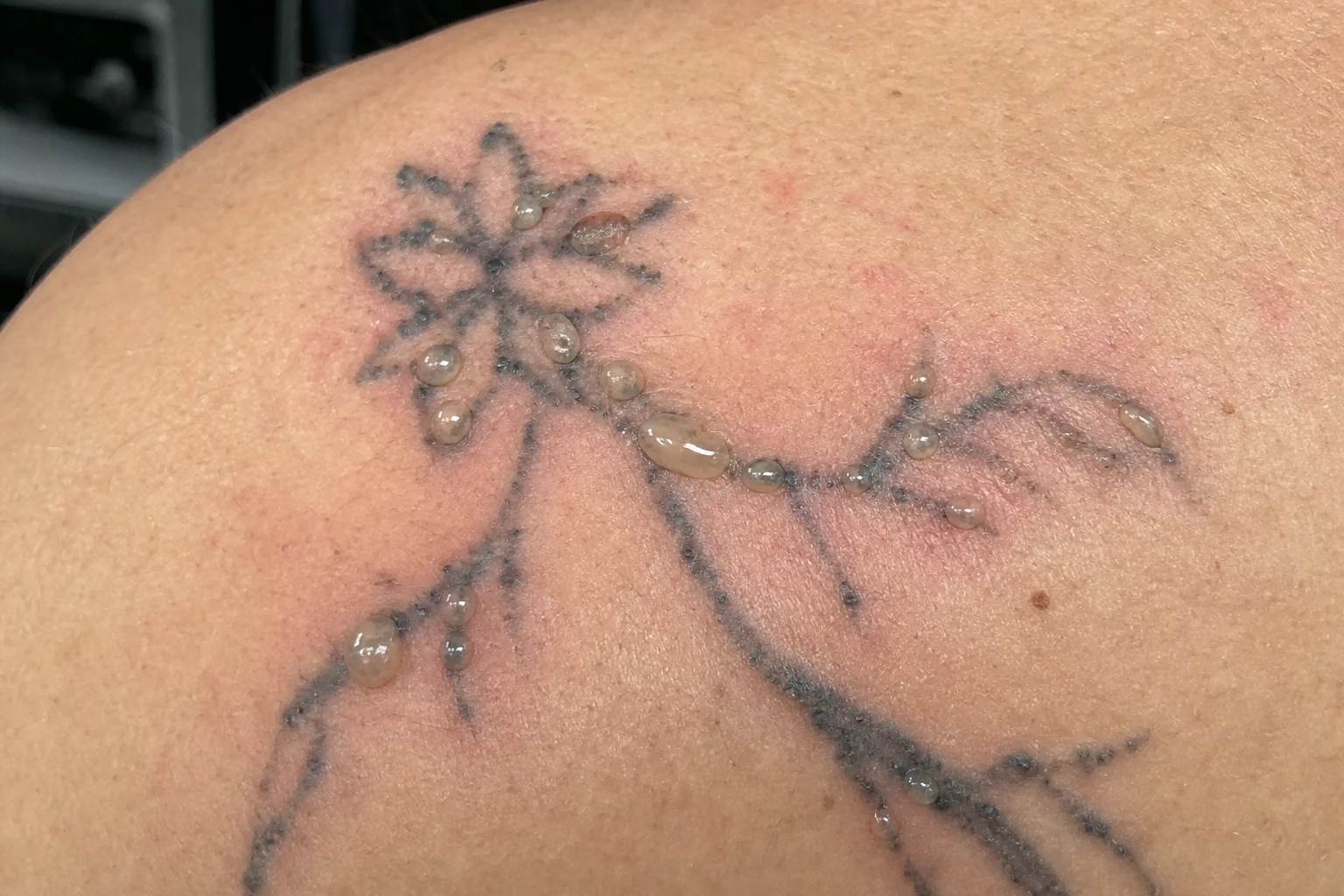 A freshly treated tattoo — small blisters can form over the next day or two.
Frosting vs a blister: they're not the same thing
People often confuse two very different things. Frosting is a temporary white or grey frost that appears on the tattoo within seconds of each laser pulse — a harmless release of gas as the ink shatters — and it fades within a few minutes. A blister appears hours later as part of healing and is a fluid-filled bump. Frosting happens on the treatment table; blisters show up after you get home. Seeing frosting during your session is expected; developing a blister afterward is also expected.
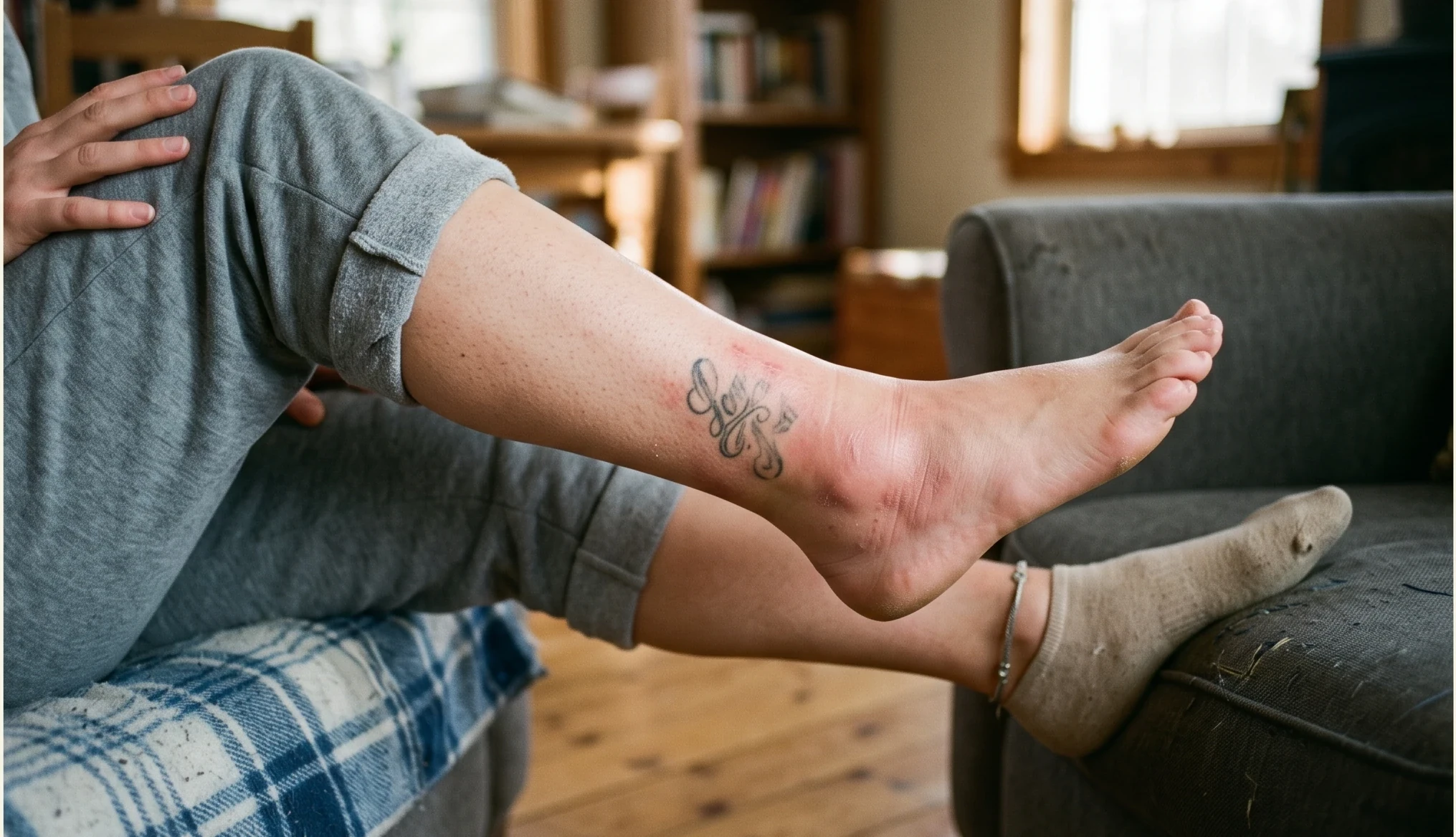 Mild swelling and puffiness are normal in the first days.
Should I pop a blister after tattoo removal?
No — leave it intact. This is the one rule worth repeating. The blister's roof is a natural, sterile dressing that seals off the raw, healing tissue beneath it from bacteria. Pop it and you expose that tissue, invite infection, and raise the risk of scarring and pigment change. Let the blister deflate on its own; if it bursts by accident, don't peel the loose skin away — leave it as a cover and keep the area clean.
The same rule applies to scabs that form afterward: don't pick them. Picking scabs is one of the most common avoidable causes of scarring after removal.
How to care for a blister after tattoo removal
Aftercare is gentle and mostly hands-off. Always follow your own clinic's written instructions first, but the general principles are consistent:
- Keep it clean and dry. Gently wash with mild soap and water; pat, don't rub.
- Apply what your clinic recommends — often a thin layer of a healing ointment.
- Cover it with a clean, non-stick dressing if it's in a spot that rubs against clothing.
- Don't pop, drain, pick or scratch. Let blisters deflate and scabs fall off naturally.
- Protect from sun, pools, spas and heavy sweating until healed — UV and soaking both slow healing and raise complication risk.
For the full routine across the whole healing window, see our tattoo removal aftercare guide.
Normal vs concerning: the decision guide
Most blistering is uneventful. The job is to tell ordinary healing apart from the early signs of infection, which are uncommon but real. Use this as a checklist — and when in doubt, contact your provider.
| Sign | Normal healing | Concerning — contact a provider |
|---|---|---|
| Blisters | Small, localised to the treated area | Large, rapidly spreading, or multiplying beyond the site |
| Redness | Mild, confined to the tattoo, fading over days | Spreading redness, or red streaks radiating outward |
| Fluid | Clear or slightly yellow blister fluid | Pus or cloudy, foul-smelling discharge |
| Pain | Tender at first, easing after a few days | Pain that increases around day 3–7 instead of easing |
| Temperature | No fever; area may feel warm briefly | Fever, chills, or the site hot and increasingly swollen |
| Timeline | Resolves in roughly 3–7 days | Worsening after day 3, or not improving within a week |
The pattern to remember: normal healing improves over the first week, while infection tends to worsen, especially from around day 3 to 7. Spreading redness, pus, red streaks and fever are the classic infection flags — any of them warrants a call to your clinic or doctor, promptly.
Why do some areas blister more than others?
Blistering isn't uniform across the body. It tends to be more likely where the skin is thinner and blood flow is lower — think ankles, wrists, fingers, feet and the tops of the hands — because these areas heal more slowly and dissipate heat less efficiently. Tattoos closer to the heart, with better circulation, often react and recover more predictably.
Ink matters too: denser, darker, or heavily saturated ink absorbs more laser energy, so those areas can blister more readily, particularly in the early sessions when there's the most pigment to shatter. A good clinician accounts for skin location and ink density when choosing settings, which is part of why an experienced provider matters. Blistering also says nothing about which device is "better" — it's a general reaction to removal, not a fault of any one laser type.
This is general information, not medical advice. Laser tattoo removal is a medical procedure with real risks including blistering, infection, scarring and pigment change. If you're unsure whether your healing is normal, or you notice any warning sign above, consult a licensed provider about your specific situation.
Compare clinics before your next session
Blistering, healing time and aftercare support all depend partly on the clinic — its settings, its experience with your skin and ink, and the guidance it gives you afterward. Before your next session, it's worth seeing what your options are.
Compare tattoo-removal clinics in your city to weigh experience, lasers and reviews side by side, or start with a dense market like tattoo removal in Melbourne to see how listings stack up. For the bigger picture on risks and safety, read our pillar guide, is laser tattoo removal safe?, and pair it with the full tattoo removal aftercare routine.
Frequently asked questions
Are blisters after tattoo removal normal?
Yes. Blisters after laser tattoo removal are common and usually a normal part of healing — they are the body's response to the rapid heating the laser uses to shatter ink. They typically appear within a few hours and settle over about 3 to 7 days. Their presence does not mean something has gone wrong.
Should I pop a blister after tattoo removal?
No. Do not pop or drain a blister after tattoo removal. The intact blister roof is a sterile natural barrier that protects the healing skin beneath it. Popping it exposes raw tissue and raises the risk of infection and scarring. Let it deflate and resolve on its own, keeping it clean and covered.
How long do blisters after tattoo removal last?
Most blisters from laser tattoo removal appear within hours of treatment and resolve within roughly 3 to 7 days as they deflate, dry and scab. Timelines vary by person, tattoo size and body area. If a blister is spreading, worsening after day 3, or accompanied by pus or fever, contact your provider.
How do I care for a blister after tattoo removal?
Keep the area clean and dry, apply any ointment your clinic recommends, and cover it with a non-stick dressing. Do not pop it, pick scabs, scratch, or expose it to sun, pools or heavy sweating. Follow your clinic's specific aftercare instructions, and let the blister deflate and heal naturally.
When should I worry about a blister after tattoo removal?
See a doctor if you notice signs of infection: spreading redness, pus or cloudy discharge, red streaks radiating from the site, a fever, or pain that increases around day 3 to 7 instead of easing. Mild redness, small blisters and tenderness that improve within a week are usually normal healing, not infection.
Why do some areas blister more than others?
Blistering is more likely on areas with thinner skin and less circulation, such as ankles, wrists, fingers, feet and the tops of hands. Denser or darker ink absorbs more laser energy and can blister more readily, and heavily saturated tattoos may blister more in early sessions. Your clinician adjusts settings accordingly.
What is the difference between frosting and a blister?
Frosting is a temporary white or grey discolouration that appears on the tattoo within seconds of the laser pulse, caused by gas released as ink shatters; it fades in minutes. A blister is a raised, fluid-filled bump that forms hours later as part of healing. Frosting happens during treatment; blisters appear afterward.
Related guides
Related Guides
- Safety & Risks
Why a Patch Test Matters Before Tattoo Removal (2026)
Why does a patch test matter before laser tattoo removal? It reveals how your skin and ink react — blistering, pigment change, rare reactions — before a full…
- Safety & Risks
Who Should Not Get Laser Tattoo Removal? The Contraindications
Who should not get laser tattoo removal? Most adults are candidates. The full contraindications checklist — when to wait and when to discuss carefully.
- Safety & Risks
Tattoo Removal While Pregnant or Breastfeeding
Can you get tattoo removal while pregnant? Most providers say wait — not from proven harm, but because the safety isn't studied.