Tattoo Removal With Keloid-Prone Skin: Can You Still Do It Safely?
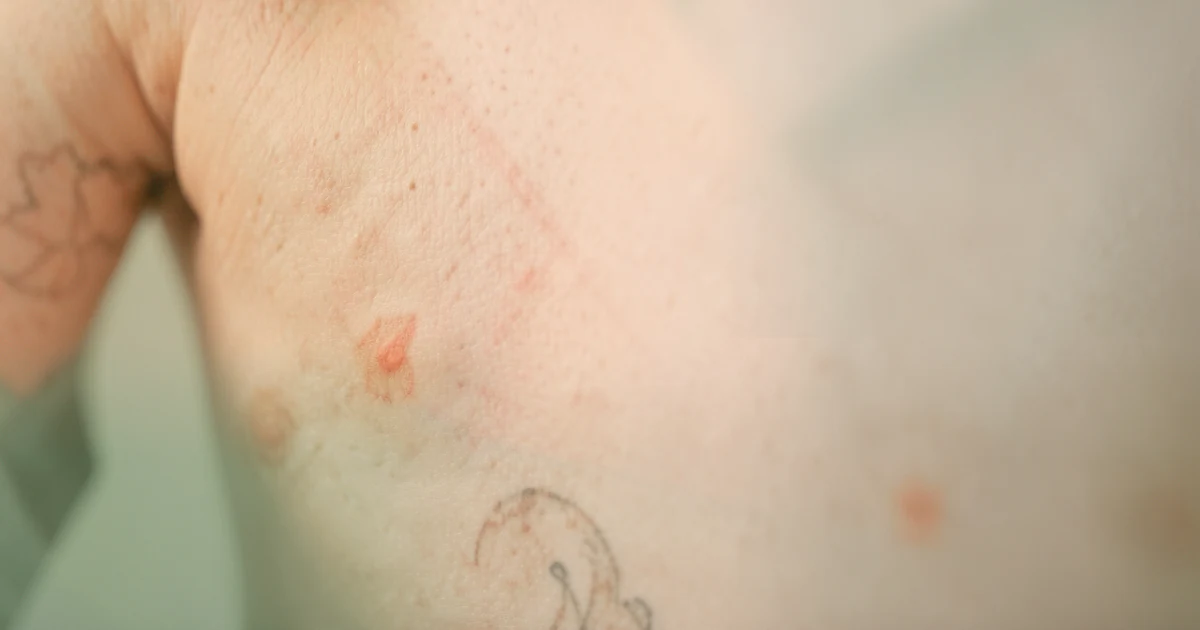
If you're keloid-prone or scar easily, you can often still have laser tattoo removal — but your scarring risk is higher, so it needs a cautious approach. That means an honest consultation, a small test spot, conservative laser settings, longer spacing between sessions, and diligent aftercare. Being keloid-prone is a reason to slow down and plan carefully, not usually an automatic disqualification.
This is one of those topics many clinics quietly avoid, because "your skin might scar" is not a great sales line. As an independent directory — we don't sell removal, we help you compare the clinics that do — we can be straight with you. Below is what keloid-prone skin actually changes about removal, what to ask a provider, and how the options compare, with figures from the Tattoo Removal Guide directory stamped (as of July 2026).
Key Takeaways
- Keloid-prone skin raises the scarring risk of tattoo removal — it rarely rules it out entirely.
- A keloid is a raised scar that grows beyond the original wound; a hypertrophic scar stays within it.
- Laser removal is usually preferable to surgical excision for keloid-prone skin, because it doesn't cut a fresh, high-tension wound — but it isn't risk-free.
- High-tension areas (chest, shoulders, upper back) carry the most keloid risk; forearms and lower legs generally less.
- The cautious playbook: honest consult → test spot → conservative settings → longer spacing → careful aftercare. Of the 5,700 clinics we track, about 27% offer a free consultation (as of July 2026) — the ideal place to raise your scarring history before committing.
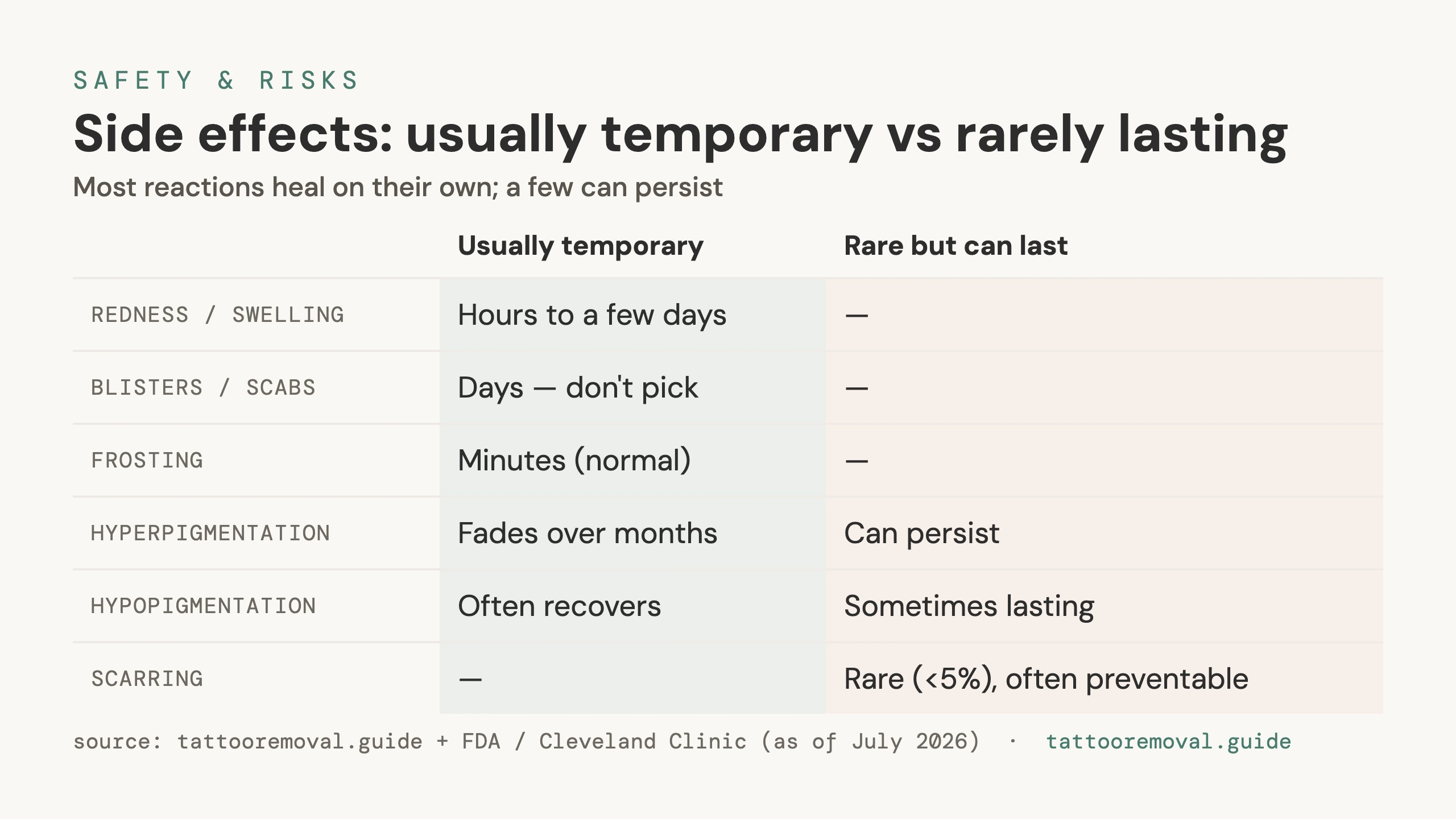 Most side effects heal; a few are rare but can last.
What is a keloid — and how is it different from a normal scar?
A keloid is a raised scar that grows larger than the wound that caused it and spreads into the surrounding healthy skin. It forms when the body lays down more collagen than it needs to heal an injury. Unlike ordinary scars, keloids don't fade over time on their own. As the Cleveland Clinic explains, keloids most commonly appear on the chest, shoulders, upper back, ears and jaw.
It's worth distinguishing keloids from their milder cousin. A hypertrophic scar is a raised scar that stays within the boundaries of the original wound and often flattens and fades over months. The Cleveland Clinic notes that hypertrophic scars, unlike keloids, tend not to grow beyond the injury site. Both come from overgrown collagen; keloids are simply the more aggressive and persistent version — and the one that matters most when planning any skin procedure.
Who's most at risk? According to the American Academy of Dermatology, keloids run in families — between 33% and 50% of people who get one have a blood relative who also does — and they're more common in people with darker skin tones, including those of African, Asian, Latin American or Mediterranean descent. The StatPearls clinical reference on keloids adds that any skin trauma — surgery, piercings, tattoos, acne, burns — can trigger a keloid in predisposed people, and that wound tension increases the odds.
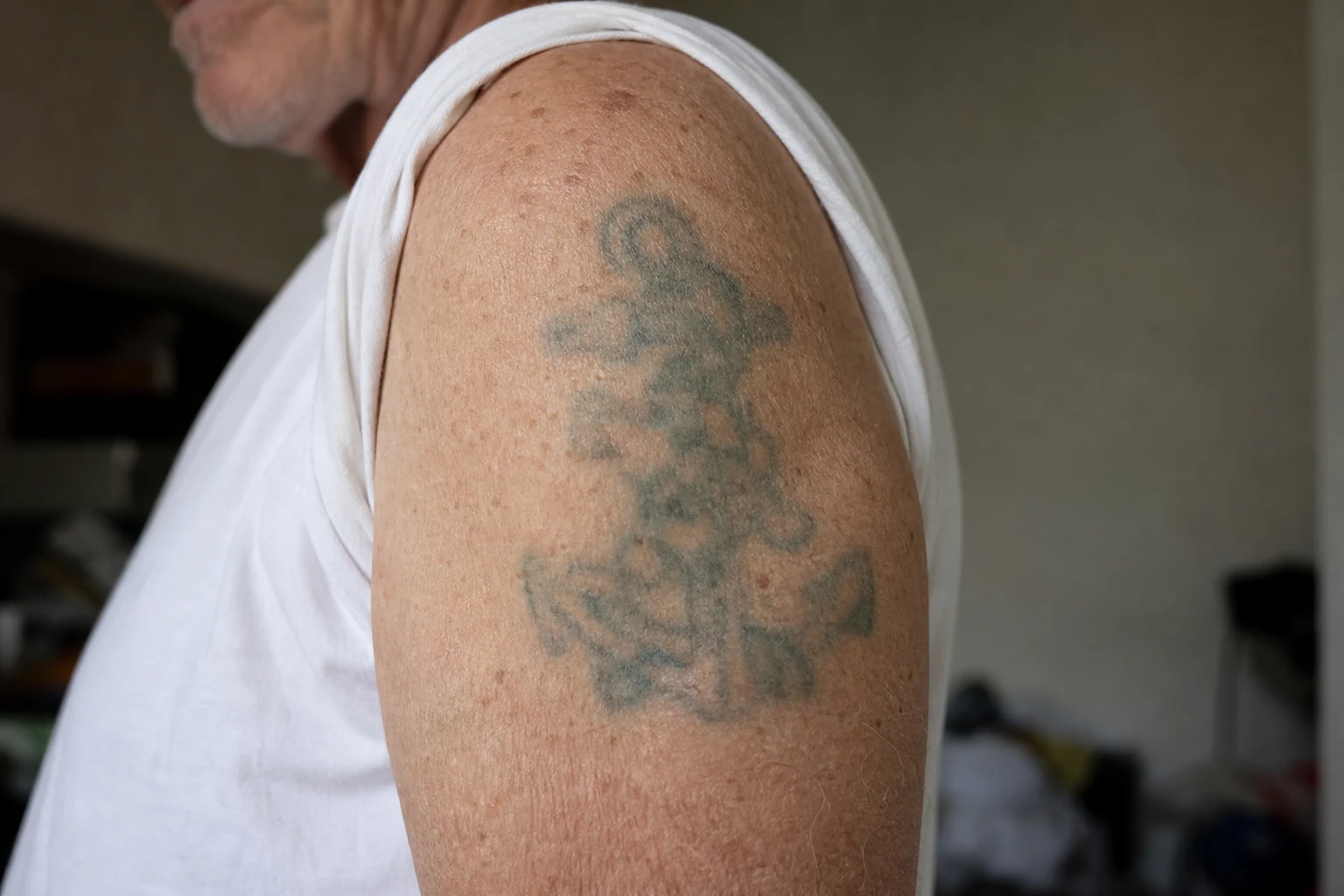 A decades-old, faded tattoo.
Can you get laser tattoo removal if you scar easily?
Usually, yes — with more caution than the average patient. Being keloid-prone doesn't make laser removal impossible; it makes it a decision to plan carefully with a clinician who knows your history. The honest framing is this: laser removal deliberately injures the skin to break up ink, and any skin injury can trigger a keloid in someone predisposed. So the goal is to minimise and monitor that injury, not pretend it isn't there.
The reassuring part is that laser is generally the gentler of the removal options for scar-prone skin — for the reason below.
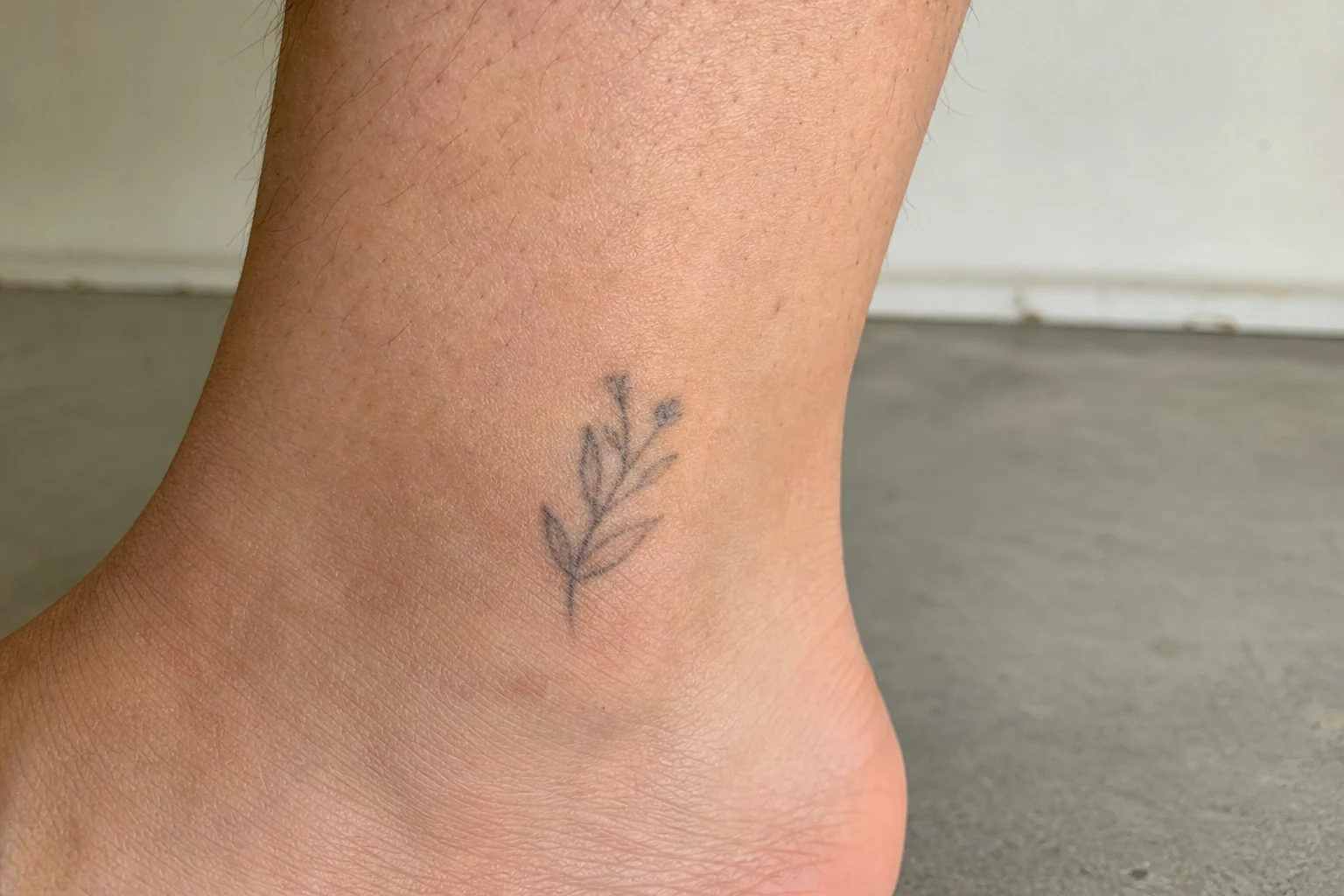 Ankles sit far from strong circulation.
Why is laser removal usually preferable to cutting it out?
The main alternatives to laser — surgical excision (cutting the tattoo out and stitching the skin) and dermabrasion (sanding the skin away) — both create a substantial fresh wound. Surgical excision in particular leaves a sutured wound under tension, which is one of the classic keloid triggers StatPearls describes. For someone keloid-prone, trading a tattoo for a potential keloid the length of the incision is a poor deal.
Laser removal works differently: it fires light that shatters the ink so your immune system can clear it, without cutting the skin open. That doesn't make it keloid-proof — it's still controlled trauma — but it avoids the deep, high-tension wound that most reliably provokes keloids. Here's the honest comparison:
| Removal method | Wound created | Keloid-prone suitability |
|---|---|---|
| Laser | No incision; controlled surface/dermal injury | Usually preferred — gentler, but not risk-free |
| Surgical excision | A cut-and-stitched wound under tension | Higher risk — tension wounds are a classic keloid trigger |
| Dermabrasion | Broad abraded raw area | Higher risk — large healing surface |
This is why most clinicians steer keloid-prone patients toward laser and away from excision — but "lower risk" is not "no risk," and that distinction is the whole reason for a cautious protocol.
Which body areas carry the most keloid risk?
Location matters a lot. Keloids favour high-tension areas where skin is stretched and pulled with movement. The Cleveland Clinic lists the chest, shoulders, upper back, ears and jaw as the most common keloid sites. A tattoo across the chest or over a shoulder is therefore a higher-risk removal target than the same tattoo on a forearm or lower leg, where skin tension is lower.
This doesn't mean chest or shoulder tattoos can't be treated — it means the risk conversation, the test spot, and the settings deserve extra care in those zones. Tell your clinician exactly where the tattoo sits and whether you've ever keloided nearby.
What should you discuss with the provider?
A good consultation is where a cautious removal plan is built. Bring your full history and work through these points:
- Your keloid/scarring history. Tell them if you've ever had a keloid or hypertrophic scar, where, and whether relatives have. This is the single most important thing they need to know.
- A test spot. Ask for a small test patch on (or near) the tattoo, treated at conservative settings, then watched over several weeks before doing the whole piece. It's the best real-world signal of how your skin will respond.
- Conservative settings and longer spacing. Gentler energy and longer gaps between sessions give skin more time to heal fully before the next round of trauma — reducing the cumulative provocation that can set off a keloid.
- Aftercare, in detail. Diligent aftercare — keeping the area clean, moisturised, protected from the sun, and never picking at scabs — matters more for you than for most. Ask whether silicone gel/sheets or pressure are advisable given your history.
- A realistic outcome. No clinic can guarantee you won't scar. A provider who promises zero scarring on keloid-prone skin is over-promising; one who talks candidly about risk and monitoring is the one to trust.
The free consultation many clinics offer — about 27% of the 5,700 clinics we track, as of July 2026 — is the natural place to have this conversation before you commit to anything.
How do you manage an existing keloid?
If you already have a keloid — over a tattoo or elsewhere — don't try to treat it yourself. The AAD notes there's no single best treatment; dermatologists tailor the approach to the keloid's size, location and depth, and options can include corticosteroid injections, silicone, pressure, cryotherapy, laser and specialist procedures, often in combination. Managing an existing keloid is a job for a dermatologist, and it's a separate question from removing the ink underneath. Get the keloid assessed first, then plan any removal around it.
This is general information, not medical advice. Laser tattoo removal is a medical procedure with real risks — including scarring — and those risks are higher if you're keloid-prone or scar easily. Whether removal is safe for you, and how, depends on your skin and history. Consult a licensed dermatologist or removal provider about your specific situation before proceeding.
Compare clinics before you commit
Because scarring risk is so individual, the most useful thing you can do is find a clinic that takes it seriously — one that offers a proper consultation, is willing to run a test spot, and talks openly about your keloid history rather than glossing over it.
Compare tattoo-removal clinics in your city to see which ones offer free consultations and what lasers they run, or start with a dense market like tattoo removal in Melbourne to see how listings, consultations and pricing stack up side by side. For the wider safety picture, see our pillar guide, is laser tattoo removal safe?, and its companion, does tattoo removal leave scars?
Frequently asked questions
Can I get laser tattoo removal if I'm keloid-prone?
Often, yes — but with more caution than average. Being keloid-prone doesn't automatically rule out laser tattoo removal, but it raises your scarring risk, so a careful clinic will start with an honest consultation, a small test spot, conservative laser settings, longer spacing between sessions, and diligent aftercare. Complete safety can't be guaranteed.
What is a keloid?
A keloid is a raised scar that grows larger than the original wound and spreads into surrounding healthy skin, because the body produces more collagen than it needs to heal. Unlike ordinary scars, keloids don't fade on their own. According to the Cleveland Clinic, they commonly form on the chest, shoulders, back, ears and jaw.
Can I get tattoo removal if I scar easily?
Possibly, but tell the clinic before you book. Scarring easily is a signal to slow down, not necessarily a hard stop. A cautious provider will run a test patch, use gentler settings, space sessions further apart, and watch your healing closely. Laser removal is generally lower-risk for scar-prone skin than cutting a tattoo out surgically.
Is laser tattoo removal safer than surgery for keloid-prone skin?
Generally, yes. Surgical excision creates a fresh wound with tension across it — a classic keloid trigger — whereas laser removal breaks up ink without cutting the skin open. That makes laser the usually-preferred route for keloid-prone people, though it still carries some scarring risk and isn't guaranteed to be keloid-free.
Which body areas have the highest keloid risk?
High-tension areas carry the most keloid risk. The Cleveland Clinic lists the chest, shoulders, upper back, ears and jaw as the most common keloid sites. A tattoo on the forearm or lower leg is generally lower-risk than one across the chest or shoulder, which is worth raising with your clinician when planning removal.
Will laser tattoo removal cause a keloid?
It can, but it's not inevitable. Any skin trauma — including laser treatment — can trigger a keloid in predisposed people, especially on high-tension areas. The risk is reduced with a test spot, conservative settings, longer healing windows and careful aftercare. No clinic can promise zero scarring, so realistic expectations and an honest consultation matter.
What's the difference between a keloid and a hypertrophic scar?
A hypertrophic scar is a raised scar that stays within the boundaries of the original wound and often flattens over time. A keloid grows beyond the original wound into healthy skin and usually doesn't fade on its own. Both are overgrown-collagen scars, but keloids are more persistent and harder to treat.
Related guides
Related Guides
- Safety & Risks
Why a Patch Test Matters Before Tattoo Removal (2026)
Why does a patch test matter before laser tattoo removal? It reveals how your skin and ink react — blistering, pigment change, rare reactions — before a full…
- Safety & Risks
Who Should Not Get Laser Tattoo Removal? The Contraindications
Who should not get laser tattoo removal? Most adults are candidates. The full contraindications checklist — when to wait and when to discuss carefully.
- Safety & Risks
Tattoo Removal While Pregnant or Breastfeeding
Can you get tattoo removal while pregnant? Most providers say wait — not from proven harm, but because the safety isn't studied.