Tattoo Removal vs Cover-Up: Which Is Right for You? (2026)
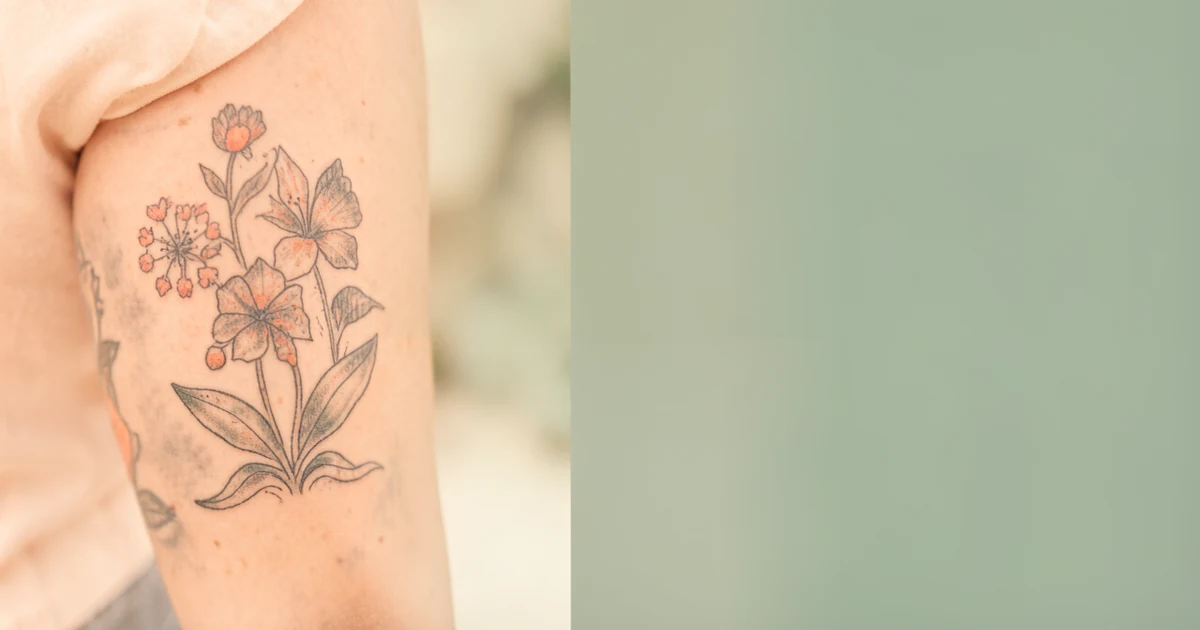
Tattoo removal versus a cover-up comes down to one question: what do you want the skin to look like at the end? Choose laser removal if you want it bare, if you're undecided about replacement art, or if the old tattoo is too dark or large to hide well. Choose a cover-up if you definitely want new artwork and prefer a faster, single-artist result. Many people do both — fade first, then cover.
There's no universally "right" answer here, and any guide that gives you one is selling something. A tattoo artist has an incentive to recommend a cover-up; a removal clinic has an incentive to recommend removal. As an independent directory that sells neither, we can lay out both honestly and let you match the path to your goal.
Key Takeaways
- Removal wins when you want bare skin, you're not sure what (if anything) to replace it with, or the tattoo is dark or large enough to limit good cover-up options.
- A cover-up wins when you definitely want new art, you want a faster end result, and you'd rather pay one artist than fund a multi-session laser course.
- The hybrid path — partial laser fading, then a cover-up — is often the best of both: it lightens dark ink so your artist isn't forced into a bigger, darker design.
- No honest provider guarantees complete removal, a session count, or "no scarring." Everything below is estimates and ranges — confirm specifics with a licensed provider.
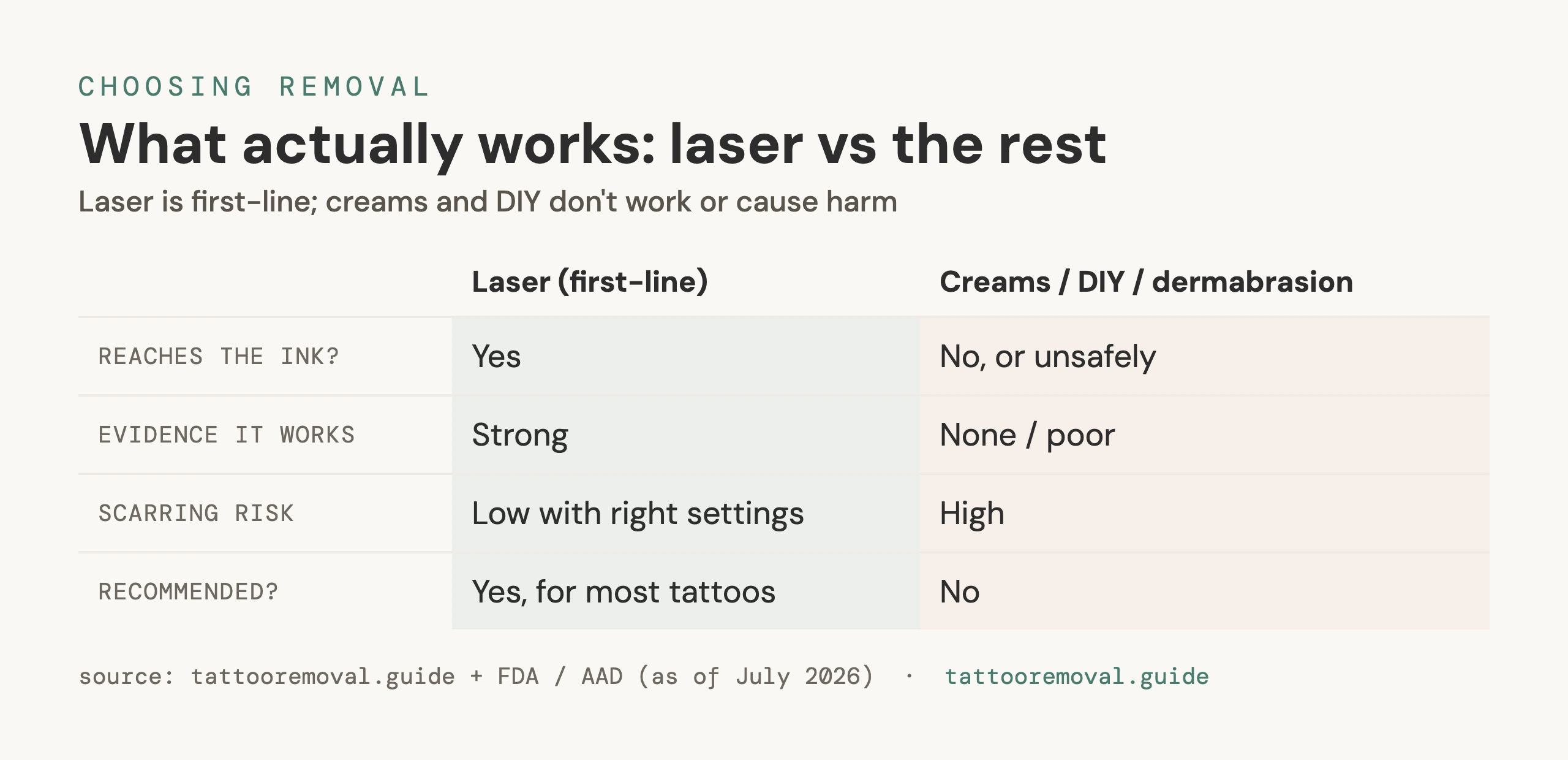 The main tattoo removal methods, side by side.
Tattoo removal vs cover-up: what each one actually is
Laser tattoo removal is a medical procedure that uses short, high-energy laser pulses to shatter tattoo ink into fragments small enough for your immune system to carry away over time, gradually clearing the tattoo across multiple sessions. The Cleveland Clinic and StatPearls both describe this as a staged process spaced over weeks, not a single visit.
A cover-up is a new tattoo designed by an artist to hide the old one underneath it. It doesn't remove any ink — it adds more on top, using darker tones, shading, and clever composition to camouflage what's already there.
That difference drives everything else. Removal takes ink away and returns the skin toward blank; a cover-up leaves all the original ink in place and works around it. The American Academy of Dermatology notes that tattoos are designed to be permanent, which is exactly why removing one is a bigger commitment than covering it.
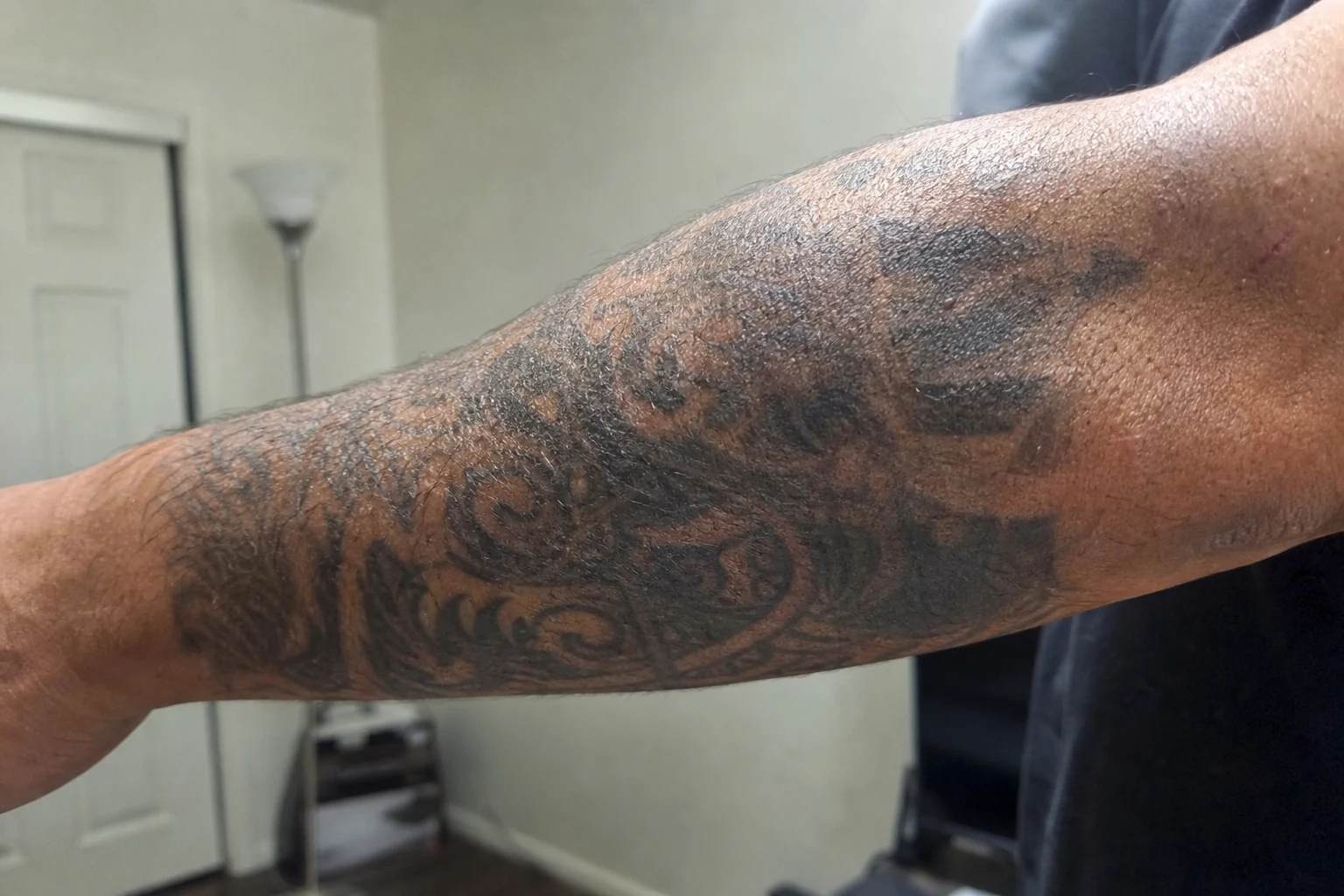 A large dark tattoo — fading widens the cover-up options.
When removal is the right choice
Laser removal is usually the better path when:
- You want the skin bare. If the goal is no visible tattoo — not different art — removal is the only route that actually takes the ink out.
- You're undecided about a replacement. Committing to a cover-up means committing to a specific new design forever. If you're not sure what you'd want instead, removing keeps your options open.
- The tattoo is dark, large, or dense. Heavy black work and large pieces are the hardest to hide. A cover-up over them tends to be even bigger and darker; removal (or fading) sidesteps that trap.
- You want a clean canvas to fade before a better cover-up. Even if you do want new art, lightening stubborn old ink first gives your artist far more freedom — more on this below.
The honest trade-off: removal is a longer road. The FDA is explicit that removal often takes multiple treatments over months and that complete clearance isn't guaranteed. Expect several sessions spaced weeks apart — frequently spanning around a year or more — and understand that some colours and depths clear less completely than others.
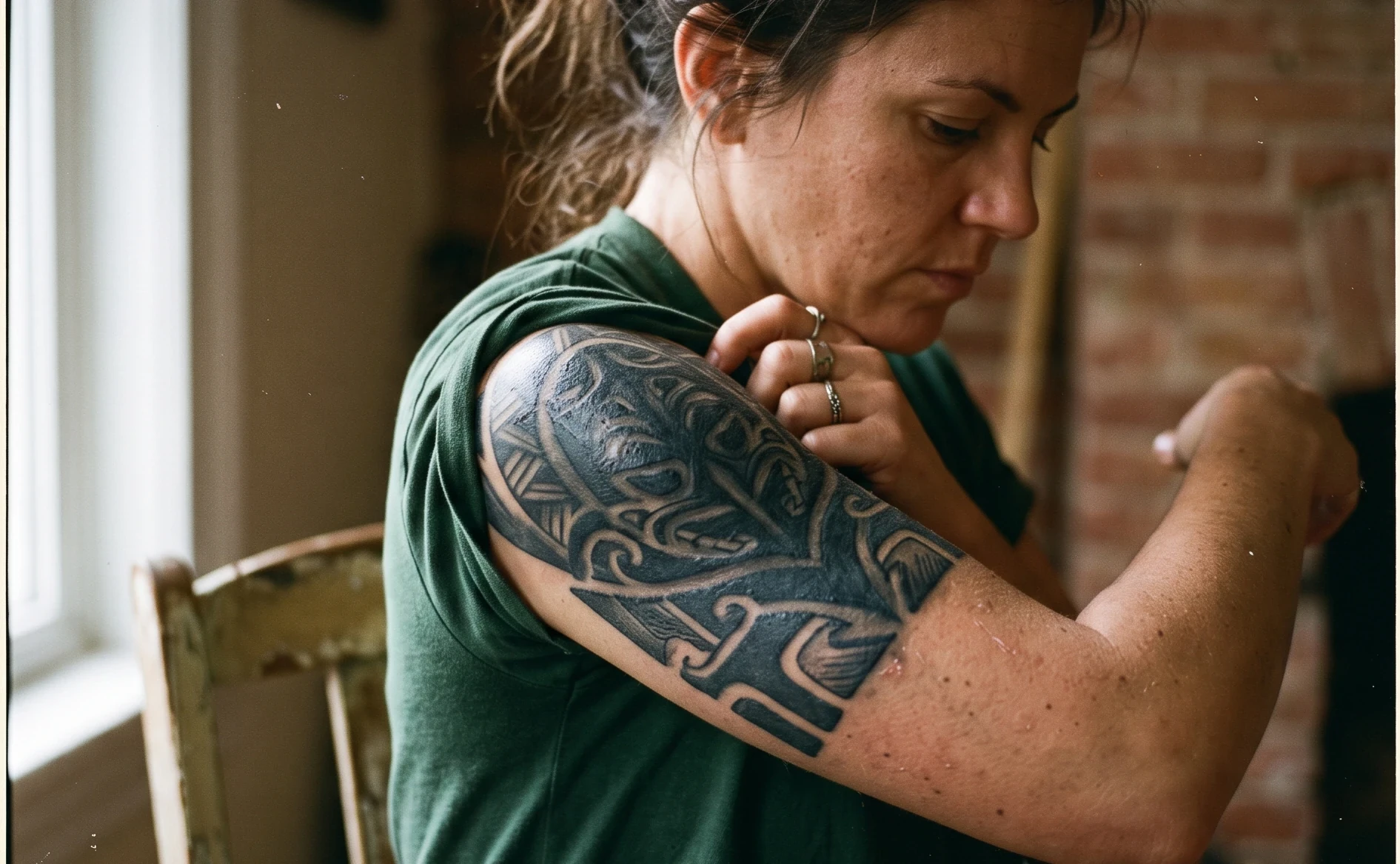 A large, dark tattoo — fading widens cover-up options.
When a cover-up is the right choice
A cover-up is often the smarter move when:
- You want new art anyway. If you already know you'd rather have a different tattoo than blank skin, a cover-up gets you straight there.
- You want a faster end result. A cover-up is typically one artist project — a session or two — versus a removal course that unfolds over many months.
- You prefer a single, predictable cost. Paying one artist for one piece can be simpler to budget than a per-session laser course whose length depends on how your skin responds.
The honest trade-off: you're limited by the old ink and you're stuck with the outcome. To fully hide existing work, a cover-up generally has to be larger and darker than the original, and the old design constrains your colour and detail choices. You're not getting a clean slate — you're negotiating with what's already there.
The hybrid path: fade first, then cover up
For dark or dense tattoos, the most flexible option is often a combination: a few laser sessions to partially fade the old ink (commonly in the region of 50–70%), then a cover-up over the lightened result. You don't pay for full removal — just enough sessions to give the artist room to work.
Fading first means your cover-up can be smaller, use lighter colours, and include more detail, because it isn't fighting to bury a dark original. It's genuinely the best of both worlds for the right tattoo, at the cost of some extra time and money up front. If this sounds like your situation, our companion guide on fading a tattoo for a cover-up walks through how many sessions this typically takes and how to coordinate your laser provider and artist. For how laser stacks up against every other option, see our pillar comparing tattoo removal methods.
Removal vs cover-up vs fade-then-cover: side by side
| Full laser removal | Cover-up tattoo | Fade then cover-up (hybrid) | |
|---|---|---|---|
| End result | Skin returns toward blank | New artwork over old ink | New artwork over lightened ink |
| Time to finish | Longest — multiple sessions, often ~a year+ | Fastest — one artist project | Medium — a few fade sessions, then the tattoo |
| Main constraint | Some ink/colours clear less completely; no guarantee | Old ink forces a bigger, darker design | Balances both; needs coordinating two providers |
| Cost shape | Priced per session across a full course | Often a single artist fee | Partial laser course + artist fee |
| Best for | Wanting bare skin, or undecided on new art | Definitely wanting new art, fast | Dark/dense tattoos you want to re-cover well |
Estimates only — every tattoo, skin type, and clinic differs. Confirm specifics with a licensed provider.
Questions to ask yourself before you decide
- Do I want nothing there, or something different there? This single question sorts most people toward removal or cover-up.
- Is the old tattoo dark, large, or dense? If yes, factor in fading — a direct cover-up may lock you into an oversized design.
- How patient am I? Removal rewards patience; a cover-up rewards decisiveness.
- Do I already have a design I love for a cover-up? If not, removal keeps your future options open.
- What does my budget look like — one fee, or spread over sessions? Ask any laser clinic for a full-course estimate, not just a per-session price.
You don't have to answer these alone. A good removal clinic and a good cover-up artist will both give you a straight assessment of your tattoo — and it's completely reasonable to consult one of each before committing.
How to compare providers — that's what a directory is for
Whichever direction you lean, the next practical step is the same: talk to real providers about your specific tattoo. That's where an independent directory helps. Across the 5,700 specialist clinics we track in 1,043 cities (as of July 2026) — averaging 4.79★ — you can pre-screen on laser type, ratings, and review counts before you book. Pricing is patchy across the industry (only about 38% of clinics publish any price at all, as of July 2026, with per-session laser prices from around $50), so comparing a few is worth the time.
Compare tattoo removal clinics in your city to shortlist providers that fit your plan — or browse a busy market like Melbourne to see the spread in one place. No clinic pays to rank higher here, and no leads are sold: the listings are a map, not an endorsement.
This is general information, not medical advice. Whether laser removal, a cover-up, or a fade-then-cover approach is right for your skin and ink should be decided with a licensed provider — and, for a cover-up, a qualified tattoo artist — who has examined your tattoo.
Frequently asked questions
Is it better to remove or cover a tattoo?
Neither is universally better — it depends on your goal. Choose laser removal if you want bare skin, are undecided about new art, or your existing tattoo is too dark or large to hide well. Choose a cover-up if you definitely want new artwork and prefer a faster, single-artist result. Many people combine both: fade first, then cover.
Should I remove or cover up my tattoo?
Ask what you want the finished skin to look like. If the answer is "nothing there", that points to removal. If it's "a different design", that points to a cover-up. If your old tattoo is dark or dense, a few laser fading sessions first usually gives the artist a far better canvas, which is why the hybrid path is so common.
Can you get a cover-up without laser removal first?
Often yes, but it depends on the old tattoo. Light, small, or older faded tattoos can be covered directly. Dark, large, or dense tattoos usually force a bigger, darker cover-up design to fully hide them. A few laser fading sessions lighten the old ink so your artist has more freedom with colour, size, and detail.
How long does tattoo removal take compared to a cover-up?
A cover-up is usually one artist project completed in a session or two, so the end result is fast. Full laser removal is a longer commitment — typically multiple sessions spaced several weeks apart, often spanning around a year or more, because your body clears the fragmented ink gradually between visits. Timelines vary by tattoo and person.
Is fading a tattoo before a cover-up worth it?
For dark or dense tattoos, it frequently is. Partial laser fading of roughly 50–70% gives a cover-up artist more design freedom, so you are less locked into a large, dark piece. It adds time and cost up front but can mean a cleaner, more flexible final tattoo. Discuss the plan with both your laser provider and your artist.
Does laser removal always fully erase a tattoo?
No. Reputable providers and health bodies are clear that complete removal cannot be guaranteed — results depend on ink colours, ink depth, the tattoo's age, your skin tone, and your immune response. Some tattoos clear almost entirely; others leave faint shadowing or partial ink. This is why no clinic should promise 100% removal or a fixed session count.
Which is cheaper, tattoo removal or a cover-up?
It varies by tattoo, but a cover-up is often a single artist fee, while laser removal is priced per session across several visits, so total costs add up. In our directory, about 38% of clinics publish any price at all (as of July 2026), with per-session laser prices starting from around $50 — so always ask for the full-course estimate, not just one session.
Related guides
Related Guides
- Methods & Decisions
TCA & Acid Tattoo Removal: Does It Work, and Is It Safe? (2026)
Does TCA remove tattoos? Acid removal works by chemically wounding the skin so ink sheds with the damaged tissue — imprecise, high scarring risk, and dangerous as a…
- Methods & Decisions
12 Questions to Ask at a Tattoo Removal Consultation (2026)
The 12 questions to ask at a tattoo removal consultation — on credentials, the laser, the plan, safety and cost — plus a green-flag vs red-flag answer table.
- Methods & Decisions
Laser vs Surgical Tattoo Removal: Which Is Right? (2026)
Laser vs surgical tattoo removal: laser is the standard for most tattoos (no cutting, minimal scarring); surgery is faster but always leaves a scar and only suits…