Tattoo Removal Numbing Options Compared
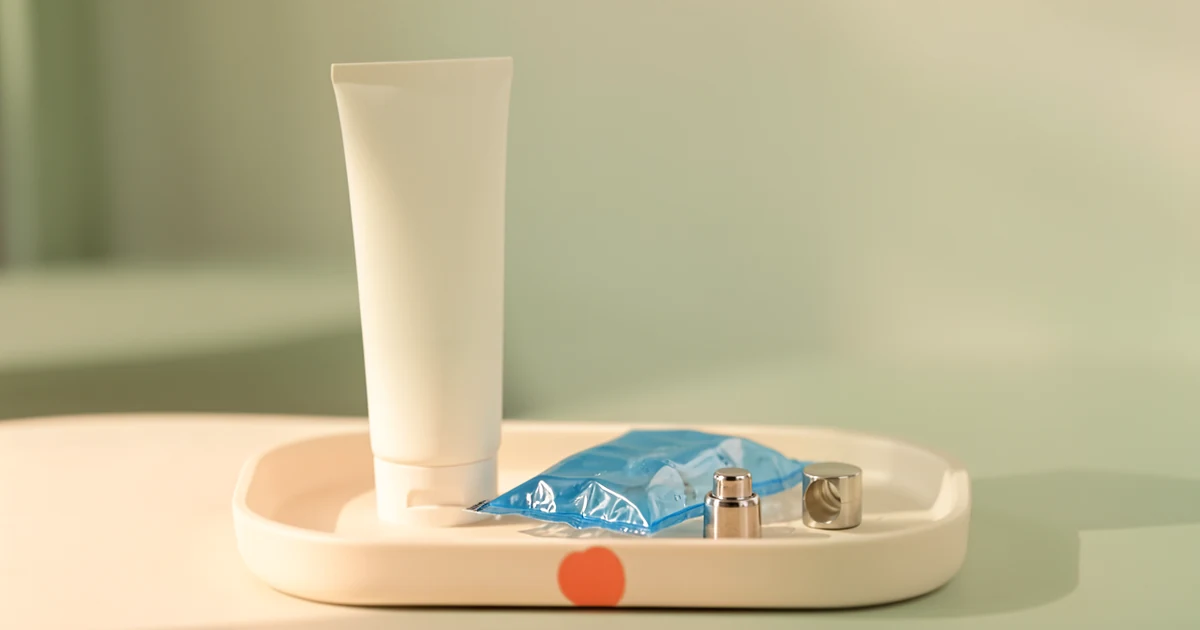
Ask three clinics what they do about pain and you'll get three different answers. One says cooling is built into every session, free. Another offers a numbing cream — for an extra fee, applied an hour before you arrive. A third shrugs and says "most people manage fine." None of them is lying to you. They're just selling three different products for the same fifteen minutes of discomfort, and only one of them will volunteer the price of comfort before you ask. This page compares the options side by side; for the fuller picture of what clinics offer and how pain changes across your treatment, see our pain management guide.
What "numbing" is really doing
Laser tattoo removal works by sending light pulses that shatter ink particles so your immune system can clear them over the following weeks — the reason most tattoos take 8 to 12 sessions spaced 6 to 8 weeks apart. A session itself is short, usually 15 to 30 minutes. The discomfort is real but brief, and it is what every numbing method is trying to blunt. None of the options below changes how well the laser removes ink. They only change how the appointment feels.
Topical numbing cream
A lidocaine-based cream applied to the skin 30 to 60 minutes before the session, usually under cling film so it absorbs.
What it's good at: It dulls the surface sensation noticeably for many people, and you can sometimes apply it at home before you arrive (if the clinic directs you to). For a larger or more sensitive piece, that head start matters.
The honest trade-offs: The numbing is surface-level — it does less for the deeper sting some people feel. It needs lead time, so it adds to the appointment. And it is a medication: people with lidocaine sensitivities, or those numbing a large skin area, should clear it with the clinic or a doctor first, because applying too much over too wide an area carries its own risk. Not every clinic offers it, and some charge for it.
Cooling (cold air or contact cooling)
A machine that blows chilled air across the skin during the session, or a cooled contact tip. It is the most common in-clinic comfort method.
What it's good at: It works in real time, dulling sensation at the moment each pulse lands, and it doubles as skin protection by reducing surface heat. There is no waiting period and no medication involved, which is why many clinics fold it into the session at no extra cost.
The honest trade-offs: Cold air reduces the sting rather than removing it — you will still feel the pulses, just less sharply. Some people find sustained cold on the skin its own kind of uncomfortable, and for very sensitive areas it may not be enough on its own.
No numbing at all
Going through the session with neither cream nor active cooling.
What it's good at: It is the fastest option — no prep, no wait — and it costs nothing. For a small tattoo, or for people who tolerate brief discomfort well, it is a genuinely reasonable choice that many handle without complaint. Sessions are short, and the sharpest part passes quickly.
The honest trade-offs: It is the most intense in the moment, especially over bone, on the ribs or feet, or on larger pieces. Pain tolerance is personal, so what one person shrugs off another finds hard. There is no shame in wanting more comfort — and no medal for refusing it.
How clinics differ — and what to ask
There is no single "best" method, and what a clinic offers varies widely. Some include cold-air cooling as standard; some offer cream for an added fee; some leave the choice to you. Because the comfort approach is rarely listed publicly, the only reliable way to know is to ask before you book. Comfort sits alongside the things people more often compare — and pricing alone can swing hard for the same work: in Melbourne, a typical session runs about $50 to $200 (as of July 2026), and in Sydney the typical range is also about $50 to $200, a slightly wider 4× spread (as of July 2026). A clinic charging near the top of that range and still billing you extra for numbing cream is stacking two costs most people only discover in the same afternoon.
Good questions for a consultation:
- Do you use cold-air or contact cooling during the session, and is it included?
- Do you offer numbing cream, is there a fee, and should I apply it before I arrive?
- For my tattoo's size and location, what do most of your clients find comfortable?
For more on what to expect from a first appointment, see our tattoo removal pain management guide, or browse clinics and their consultation options in your area, such as Melbourne.
Frequently asked questions
Does numbing cream make laser removal work better?
No. Numbing affects how the session feels, not how well the laser clears ink. Results depend on factors like ink colour, depth, your skin, and completing the recommended sessions — usually 8 to 12, spaced 6 to 8 weeks apart.
Is cold-air cooling or numbing cream more effective for pain?
It depends on the person and the tattoo. Cream dulls the surface and needs lead time; cooling works in real time during the session and often protects the skin too. Many people find cooling enough; some prefer to add cream for larger or more sensitive areas. Ask your clinic what they recommend for your case.
Can I bring my own numbing cream?
Sometimes, but check with the clinic first. They may have specific instructions on the product, amount, and timing, and applying too much over a large area can be unsafe. If you have any sensitivity to lidocaine or local anaesthetics, raise it with the clinic or your doctor before using one.
Is it safe to do tattoo removal with no numbing?
For most people, yes — sessions are short, usually 15 to 30 minutes, and many handle small tattoos without numbing. It is the most intense option in the moment, particularly over bony areas. If you are concerned about pain or have a medical condition, discuss your options with the clinic at consultation.
Will numbing stop the discomfort completely?
Usually not entirely. Both cream and cooling reduce the sting rather than remove it. Knowing that going in helps — the sharpest sensation is brief, and clinics can adjust their approach across sessions.
Ask about cooling and numbing before you book — not after the first pulse lands. See which clinics near you list a price and a free consultation so comfort isn't the only unknown you walk in with. No clinic pays to rank higher here, and no leads are sold.
Related Guides
- Comparisons
Are Amateur Tattoos Easier to Remove Than Professional Ones?
It's not about who did the tattoo — it's ink depth, density, colour and age. Here's what actually determines how many sessions yours will need.
- Comparisons
Laser Tattoo Removal vs Laser Hair Removal: What is the Difference?
They look similar but target completely different things in your skin. Here's why a hair-removal laser can't remove a tattoo, and can burn you trying.
- Comparisons
In-Clinic Laser vs At-Home Tattoo Removal Devices
At-home devices and clinical lasers work on different physics with very different risk profiles. Here's what each actually does, and where each fits.