Pain Management for Laser Tattoo Removal: What Clinics Offer in 2026
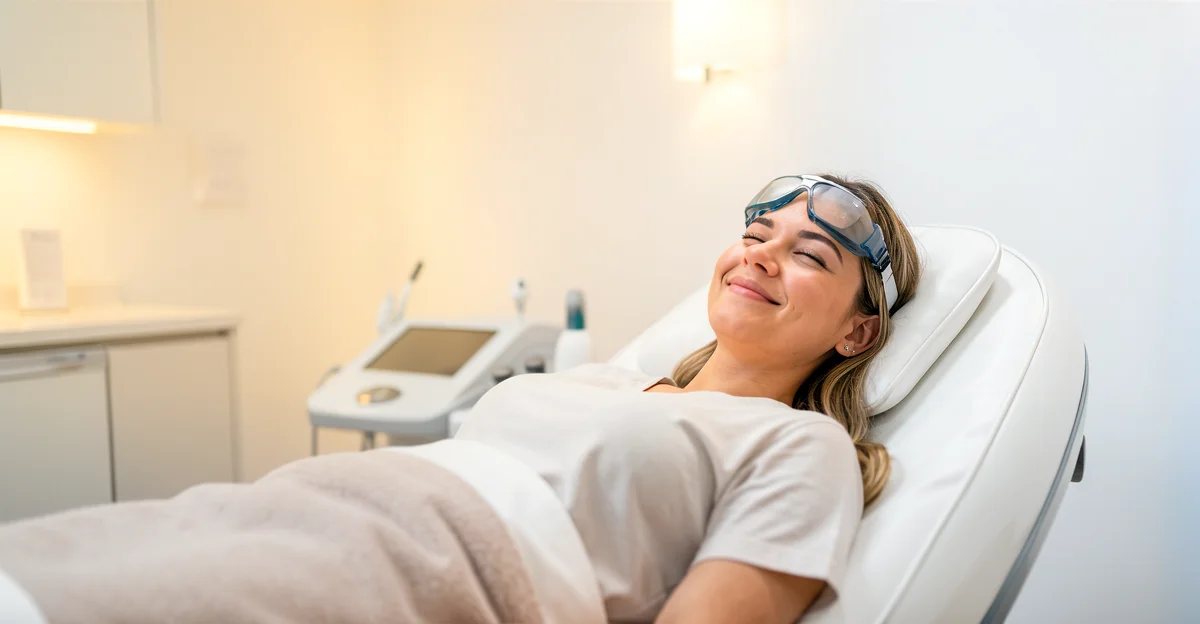
The single biggest worry people have about laser tattoo removal is not the cost, not the time commitment — it is the pain. If you have been putting off your first session because you are dreading how it will feel, this guide is for you.
Here is the honest truth: laser tattoo removal is uncomfortable. But it is also temporary, manageable, and far less of an ordeal than most people imagine. Modern clinics offer a range of pain management options that make a genuine difference, and choosing the right clinic can transform your experience from white-knuckle endurance to calm, controlled treatment.
We analysed the 5,700 specialist clinics listed across 5 countries — 1,235 of them in Australia (as of July 2026) — to understand what pain management options are available, what questions you should ask, and how to set yourself up for the most comfortable experience possible.
Key Takeaways
- It hurts, but it is manageable. Most people describe the sensation as hot oil splatter or a rubber band loaded with heat — intense but brief. Sessions typically last 10 to 30 minutes depending on tattoo size.
- Numbing cream is the most common pain management option. Clinics either provide it or recommend a specific product to apply 30 to 60 minutes before your session.
- Pain decreases over time. As ink particles are broken down and cleared by your body, later sessions typically feel milder because there is less pigment for the laser to target.
- About 24% of Australian clinics offer free consultations (as of July 2026) where you can discuss pain concerns, see the equipment, and understand exactly what to expect before committing.
- Your body location matters more than your pain tolerance. Areas with thin skin and more nerve endings (ribs, ankles, spine, inner wrist) are significantly more sensitive than fleshy areas like the upper arm or thigh.
What Does Tattoo Removal Actually Feel Like?
Let's retire the "rubber band snap" comparison. It has been used so often that it has lost all meaning, and honestly, it understates the sensation.
Here is a more accurate description: imagine tiny drops of hot cooking oil landing on your skin in rapid succession. Each pulse of the laser lasts a fraction of a second, and you feel a sharp, hot sting at the point of contact. Between pulses, there is a brief moment of relief before the next one.
The intensity varies enormously depending on:
- Where on your body the tattoo sits. Bony areas with thin skin (ribs, ankles, fingers, spine) feel significantly more intense than muscular, fleshy areas (upper arm, thigh, calf).
- How large the tattoo is. A small wrist tattoo might take 5 minutes of active laser time. A full back piece could take 30 minutes or more — and mental endurance becomes as important as physical comfort.
- Which session you are on. The first and second sessions are typically the most uncomfortable because there is the most ink to target. As your body clears ink particles over the 6 to 8 weeks between sessions, subsequent treatments often feel progressively milder.
- The colours in your tattoo. Black ink absorbs laser energy most efficiently, which means more sensation per pulse. Lighter colours like yellow and white require different wavelengths and may feel different.
- Your skin tone. Darker skin tones require more careful laser settings to avoid damage, which can affect the sensation profile. This is one reason why practitioner experience and appropriate technology matter.
TRG Directory Data: Across 5,700 specialist clinics in our directory, 97.7% are rated 4.0★ or above (average 4.79★, as of July 2026). Ratings say nothing about pain management specifically, so ask the clinic directly what it offers.
The Pain Management Options Available to You
Modern clinics use multiple approaches to keep you comfortable during treatment. Here is what each one involves and how effective it is.
1. Topical Numbing Cream (Most Common)
Topical anaesthetic cream — typically containing lignocaine (lidocaine) — is the most widely used pain management method for laser tattoo removal. You apply a thick layer to the tattoo area 30 to 60 minutes before your session, often covered with cling wrap to help the cream absorb.
What to expect: Numbing cream does not eliminate sensation entirely. You will still feel pressure, warmth, and some sting — but the sharp edge of the pain is dulled significantly. Most people describe it as taking the sharp edge off rather than removing the sensation.
What to ask your clinic:
- Do you provide numbing cream or should I bring my own?
- Which product and strength do you recommend?
- How long before my appointment should I apply it?
- Is numbing cream included in the session cost or is it extra?
2. Cooling Devices (During Treatment)
Many clinics use active cooling systems — either forced cold air machines (like the Zimmer Cryo) or cryogen spray — that cool the skin immediately before, during, and after each laser pulse. This is different from applying an ice pack before treatment: cooling devices deliver precise, continuous cold air directly to the treatment zone while the laser fires.
What to expect: Cooling makes a noticeable difference. The cold air numbs the surface layer of skin and counteracts the heat sensation from the laser. Clients who have experienced sessions both with and without cooling consistently report a significant comfort improvement.
What to ask your clinic:
- Do you use a cooling device during treatment?
- What type of cooling system do you have?
- Is cooling included as standard or optional?
3. Injectable Local Anaesthetic (For Large or Sensitive Pieces)
For larger tattoos, tattoos in highly sensitive areas, or clients with lower pain thresholds, some clinics offer injectable local anaesthetic — similar to what you would receive at the dentist. This is typically lignocaine injected around the treatment area using a fine needle.
What to expect: Local anaesthetic provides the most complete pain relief. The area becomes genuinely numb, and you feel little to no pain during the laser treatment itself. The trade-off is the discomfort of the injections themselves, and the numbing wears off after 1 to 2 hours.
What to ask your clinic:
- Do you offer local anaesthetic injections for pain management?
- Is there an additional cost for injectable numbing?
- Do you have a doctor or nurse on-site who can administer this?
4. Nerve Blocks (For Very Large Pieces)
In rare cases — typically for very large tattoos like full sleeves or back pieces — clinics with medical practitioners can perform nerve blocks. These numb entire regions rather than just the surface area, providing comprehensive pain relief for extended sessions.
This option is only available at medically supervised clinics and is typically discussed during your consultation.
5. Over-the-Counter Pain Relief (Before Treatment)
Taking paracetamol (acetaminophen) 30 to 60 minutes before your session can take the edge off discomfort.
Important: Avoid aspirin, ibuprofen, and other non-steroidal anti-inflammatory drugs (NSAIDs) in the 24 to 48 hours before your session. These thin the blood and increase the risk of bruising and swelling. Your clinic should advise you on this during your pre-treatment instructions.
6. Cold Packs and After-Care (Post-Treatment)
After your session, most clinics will apply ice packs or cold compresses to the treated area. This reduces swelling and provides immediate relief from the residual heat sensation. The post-treatment discomfort — a sunburn-like feeling — typically lasts 1 to 3 days and is easily managed with cold compresses and gentle care.
How Pain Changes Across Your Treatment Journey
One of the most reassuring facts about tattoo removal is that it generally gets easier over time.
Here is why: the laser works by delivering light energy that is absorbed by ink particles beneath your skin. The energy shatters these particles into fragments small enough for your immune system's macrophages to carry away. This happens gradually over the 6 to 8 weeks between sessions.
By your third or fourth session, there is measurably less ink remaining in your skin. Less ink means fewer targets for the laser, which means fewer pulses needed and less sensation per pulse. Many clients report that sessions 5 and beyond feel noticeably milder than the first few.
TRG Directory Data: about 27% of clinics in our directory offer free consultations (as of July 2026) — the ideal setting to discuss your pain concerns honestly.
The exception: stubborn ink. Some colours (especially greens and blues with certain pigment bases) resist laser treatment more than others. These areas may require higher energy settings in later sessions, which can feel more intense even with less overall ink.
What to Ask Your Clinic About Pain Management
Your initial consultation is the time to have this conversation. Here is a checklist of questions to bring:
"What pain management options do you offer?" Listen for specifics — numbing cream, cooling devices, injectable anaesthetic. A clinic that dismisses pain concerns or says "it's not that bad" is not one that prioritises your comfort.
"Can I do a test patch first?" Many clinics will fire a few test pulses on a small area during your consultation so you can feel what the laser is like before committing to a full session. This removes the fear of the unknown.
"What should I do before my appointment to minimise pain?" Good clinics will provide clear pre-treatment instructions covering numbing cream application, medications to avoid, hydration, and skin care.
"How long will my session take?" Session duration directly affects the pain experience. A 10-minute session on a small tattoo is a very different proposition to a 30-minute session on a large piece. Knowing what to expect helps you mentally prepare.
"What technology do you use?" Different laser systems deliver energy differently. Both Q-switched and picosecond lasers are effective for tattoo removal, and each has its own sensation profile. Neither is inherently more or less painful — what matters more is the practitioner's skill and the pain management options available.
Body Location Pain Map
Not all tattoo locations are created equal when it comes to removal discomfort. Here is a general guide based on practitioner reports and client feedback:
More Sensitive (expect more discomfort):
- Ribs and side torso
- Inner wrist and forearm
- Spine and back of neck
- Ankles and feet
- Fingers and hands
- Inner bicep
- Behind the ear
Less Sensitive (generally more comfortable):
- Outer upper arm
- Thigh (front and outer)
- Calf
- Upper back (muscular area)
- Shoulder
Moderate:
- Forearm (outer)
- Lower back
- Chest
Keep in mind that this is general guidance. Individual pain perception varies, and your practitioner will adjust their approach based on your feedback during treatment.
Choosing a Clinic That Prioritises Comfort
Pain management is not just about the tools a clinic has — it is about their attitude toward your experience. Here are markers of a clinic that takes comfort seriously:
Good signs:
- They proactively discuss pain management during the consultation
- They offer multiple options (not just "you can buy numbing cream from the chemist")
- They include cooling or numbing in their standard treatment protocol
- They encourage you to communicate during the session and will pause if needed
- They provide clear post-treatment care instructions
Red flags:
- "It's fine, most people handle it" without offering any management options
- No consultation before your first session
- Rushing through the treatment without checking how you are doing
- No after-care instructions or support
TRG Directory Data: Our directory covers 5,700 specialist clinics across 1,043 cities in 5 countries (as of July 2026), of which 1,235 are in Australia. Listed clinics average 4.79★, and 97.7% are rated 4.0★ or above — dedicated specialists are the most likely to have refined their pain-management protocols across thousands of treatments.
Before Your First Session: A Comfort Checklist
- Book a consultation first. Meet the practitioner, see the space, ask about pain management. Many clinics offering free consults let you do a test pulse.
- Ask about numbing cream. Get the specific product name, strength, and application timing.
- Hydrate well. Drink plenty of water in the 24 hours before your session. Well-hydrated skin responds better to treatment.
- Avoid sun exposure. Sunburnt or tanned skin is more sensitive and may need to be rescheduled.
- Skip blood thinners. No aspirin, ibuprofen, or alcohol for 24 to 48 hours before your session.
- Take paracetamol if needed. 30 to 60 minutes before your appointment.
- Eat a proper meal. Do not arrive on an empty stomach — some people feel faint during treatment if their blood sugar is low.
- Wear comfortable clothing. Choose something loose that gives easy access to the tattoo area without requiring you to contort yourself.
- Bring headphones. Many clinics are happy for you to listen to music or a podcast during treatment. Distraction is an underrated pain management tool.
The Bottom Line
Laser tattoo removal is uncomfortable — there is no point pretending otherwise. But the discomfort is temporary (each session lasts 10 to 30 minutes), it gets easier as your treatment progresses, and modern clinics offer genuine pain management options that make a real difference.
The biggest mistake people make is avoiding the conversation. If pain is your main concern, say so during your consultation. A good clinic will walk you through every option available and find the combination that works for you.
If you're active and wondering how exercise affects recovery between sessions, the gym and training guide covers when to resume lifting, running, and contact sports after each session.
You would not choose a dentist who did not offer anaesthetic. Apply the same standard to your tattoo removal clinic.
Find a Clinic That Prioritises Your Comfort
Use the Tattoo Removal Guide directory to search 5,700 specialist clinics across 5 countries (as of July 2026). Filter by free consultation, compare ratings, and find a clinic near you that takes pain management seriously.
Related Guides
- Cosmetic & PMU
Why Permanent Makeup Fades (and Turns Orange or Grey) (2026)
Why permanent makeup fades and shifts colour, explained neutrally: shallow pigment placement, iron-oxide oxidation, sun exposure and skin turnover, why warm browns…
- Safety & Risks
Why a Patch Test Matters Before Tattoo Removal (2026)
Why does a patch test matter before laser tattoo removal? It reveals how your skin and ink react — blistering, pigment change, rare reactions — before a full…
- Safety & Risks
Who Should Not Get Laser Tattoo Removal? The Contraindications
Who should not get laser tattoo removal? Most adults are candidates. The full contraindications checklist — when to wait and when to discuss carefully.