Full Removal vs Partial Fading for a Rework: Which Path Is Right?
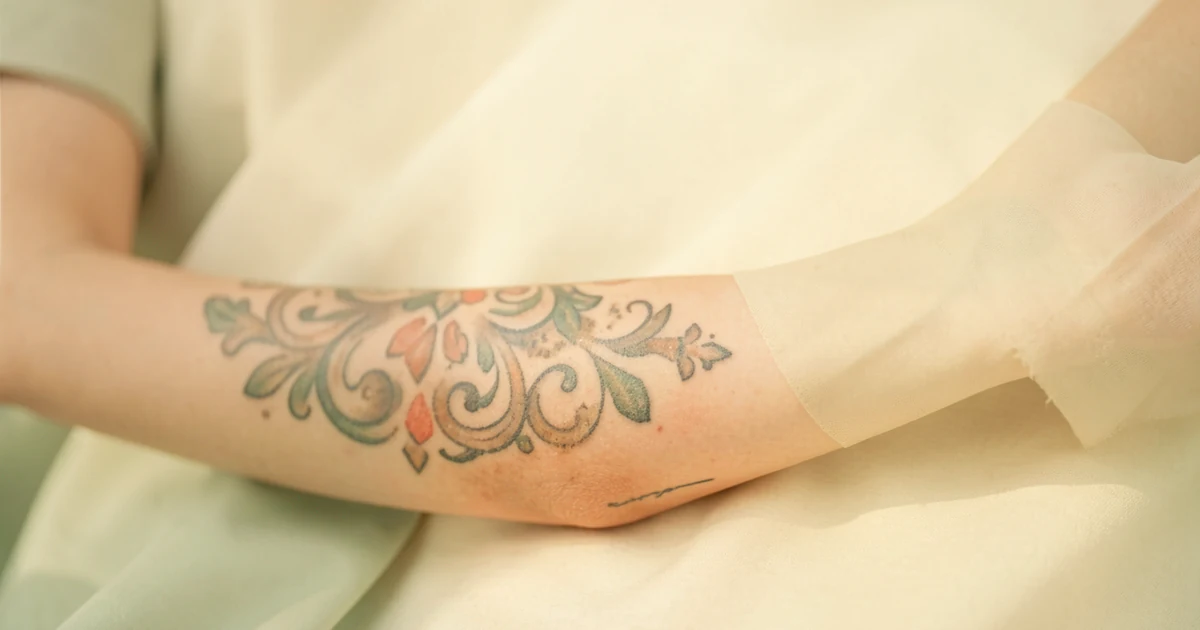
You like the placement. You still want something there. What you don't love is the tattoo that's currently there — faded edges, a design that's been outgrown, detail that's muddied over time. The question isn't "should I remove it?" It's: "how much laser work does this need before an artist can fix it?"
The answer sits somewhere between a few targeted fading sessions and a full multi-year removal course. Where your tattoo lands depends on the design, the colours, the artist's brief, and what the new piece requires.
The rework scenario is different from cover-up prep
Fading for a cover-up and fading for a rework are not the same thing, even though both involve partial rather than complete removal.
A cover-up asks the new tattoo to physically sit on top of the old one, meaning the old design has to lighten enough — and stay lightened — that a skilled artist can dominate it with the new work. The new tattoo ends up larger and darker to win the fight with what's underneath.
A rework often leaves the original tattoo broadly intact and improves it: adding detail, correcting colour drift, tightening linework, filling in a gap, or refreshing areas that have faded unevenly. Partial fading is sometimes used not to prepare a blank canvas, but to selectively soften one area so the artist can work into it more accurately. It's a surgical tool rather than a demolition job.
Understanding which category you're in changes how you plan the laser phase.
When partial fading is enough
A tattoo artist doing a rework generally needs one of a few things from the laser, not all of them simultaneously.
Clearing overworked or blown-out areas. If fine linework has spread and become dense over time, targeted sessions can lift some of that ink so crisp re-line work becomes possible again. The goal isn't clearance — it's getting the ink to recede enough for an artist to lay new work on top cleanly.
Softening a section without touching the rest. Laser can be applied to part of a tattoo, leaving adjacent areas untouched. If the lower half of a sleeve needs a design change and the upper half is fine, sessions can focus on the problem area only.
Reducing saturation in a colour block. An artist adding a new colour or converting a section may need an existing colour to fade enough that it stops fighting the new pigment. A few sessions of targeted laser can shift the balance.
Reworking black-and-grey. Black ink tends to respond most predictably to laser treatment regardless of the technology used — whether that's picosecond or Q-switched, both can effectively lift black. Artists refreshing black-and-grey work often need the least laser prep time.
In these cases, the session count can be relatively low: three to six sessions, sometimes fewer, aimed at a specific area and stopped when the artist is satisfied rather than run to complete clearance. The 6–8 week clearing window between sessions still applies — the immune system needs time to carry fragmented ink away — so even a short fading course takes several months in calendar time.
When full removal is the right call
There are rework intentions that genuinely need the slate cleared, and shortcuts here tend to show in the finished piece.
The existing design competes too strongly with the new one. If the base tattoo is densely saturated, covers the full area the new design needs, and uses colours that are difficult to dominate, partial fading rarely solves it. An artist who tries to work over a still-visible dark piece is constrained in scale, colour palette, and placement in ways that limit the final result.
Colour ink is involved and the new design goes lighter. Colour pigments behave differently to black under laser, and different wavelengths target different colours. Clearing colour reliably often takes more sessions than black, and if the new design uses a lighter or more delicate palette, remnant colour underneath creates unpredictable results. Full removal gives the artist a genuinely clean dermis to work with.
The design direction changes completely. If someone wants to move from a bold traditional piece to something fine-line or watercolour, the structural contrast between old and new is often too great for partial fading to bridge. The moat test here is whether the artist can tell you honestly what the finished rework will look like if the old piece isn't fully cleared — if that conversation is vague, it usually means the residual ink is still a problem.
The existing tattoo covers scarring or raised texture. This is a clinical matter as much as an aesthetic one. Scar tissue affects how new ink sits and how the laser interacts with the skin. A clinician assessing a rework candidate will examine the skin for scarring before recommending any treatment plan.
How session counts compare
The honest comparison:
A partial fading course aimed at rework prep might run 3–8 sessions, applied to a defined area, with the artist directing the endpoint. Sessions still run 15–30 minutes each; spacing is the same 6–8 weeks as a full removal course. The total timeline might be 6–18 months of laser before the rework begins.
A full removal course for a medium-to-large tattoo typically runs 8–12 sessions across the entire piece, with that same 6–8 week interval between rounds. For densely saturated or coloured work, session counts can go higher. Full clearance on a large piece can take two to three years of treatment before the skin is ready for a new tattoo.
Neither path is faster just because it sounds like less. Partial fading takes fewer sessions, but those sessions still space out over months. The real variable is what the artist needs.
What this costs in practice
Session count drives cost, and cost varies by city more than most people expect.
Across the directory, a single session in Melbourne typically runs $50–$200 (as of July 2026). Sydney sits around $50–$200 (as of July 2026). Toronto tends toward $200–$400 per session (as of July 2026), and London around £80–£180 (as of July 2026). About 62% of clinics in the directory (as of July 2026) don't list prices publicly, which means the only reliable way to compare within your city is to book consultations and ask for a written session estimate.
The per-session price is only part of the number. Three to six targeted fading sessions at the higher end of a city's range can still cost more than a full course at the lower end. Run the full-course maths before assuming partial fading is the cheaper route.
No clinic is paid to rank in this directory, and no leads are sold — the prices listed are what clinics have told us or what we've recorded from their public listings.
How to approach the conversation with a clinician
Bring the artist's brief to the laser consultation. The more specific the rework plan, the better a clinician can assess what the laser phase needs to achieve. "Fade the lower half to about 60% so my artist can re-work the shading" is a more actionable instruction than "lighten it a bit."
The clinician assesses your skin; the artist specifies the endpoint. Getting both in dialogue before treatment starts — even a three-way consultation — tends to produce cleaner results than running the laser phase in isolation.
A few honest caveats: scarring is rare but real (more so with dense colour work), results vary by skin tone and ink composition, and no clinician can guarantee the exact outcome of a partial fading course. The endpoint in rework prep is an artistic judgement, not a clinical one.
Which path is right for you
Lean toward partial fading if: the existing tattoo has clear areas, the artist has a defined rework brief, the colours are manageable (particularly black), and the new design can tolerate some residual ink.
Lean toward full removal if: the existing tattoo is heavily saturated, covers the full area of the new design, involves difficult colours, or the artist tells you they need a clean canvas. Also if the skin has scarring or texture that a clinician flags as a concern.
Ask the artist first, then book a laser consultation. The artist knows whether they can work with partial fading; a clinician can then assess whether that's achievable within a reasonable session count for your specific tattoo.
The laser phase exists to serve the rework, not the other way around.
Frequently asked questions
(rendered as FAQPage schema — see frontmatter faqItems)
The rework journey is one of the more interesting paths through tattoo removal — partial clearance that opens up creative options rather than erasing them. See what rework-prep sessions actually cost near you before you lock in the timeline with your artist.
Related Guides
- Comparisons
Tattoo Removal Numbing Options Compared
Numbing cream, cooling, or nothing at all — an even-handed comparison of what each option actually does, and the trade-offs clinics don't always mention.
- Comparisons
Are Amateur Tattoos Easier to Remove Than Professional Ones?
It's not about who did the tattoo — it's ink depth, density, colour and age. Here's what actually determines how many sessions yours will need.
- Comparisons
Laser Tattoo Removal vs Laser Hair Removal: What is the Difference?
They look similar but target completely different things in your skin. Here's why a hair-removal laser can't remove a tattoo, and can burn you trying.