Laser vs Saline Tattoo Removal: Which Is Right?
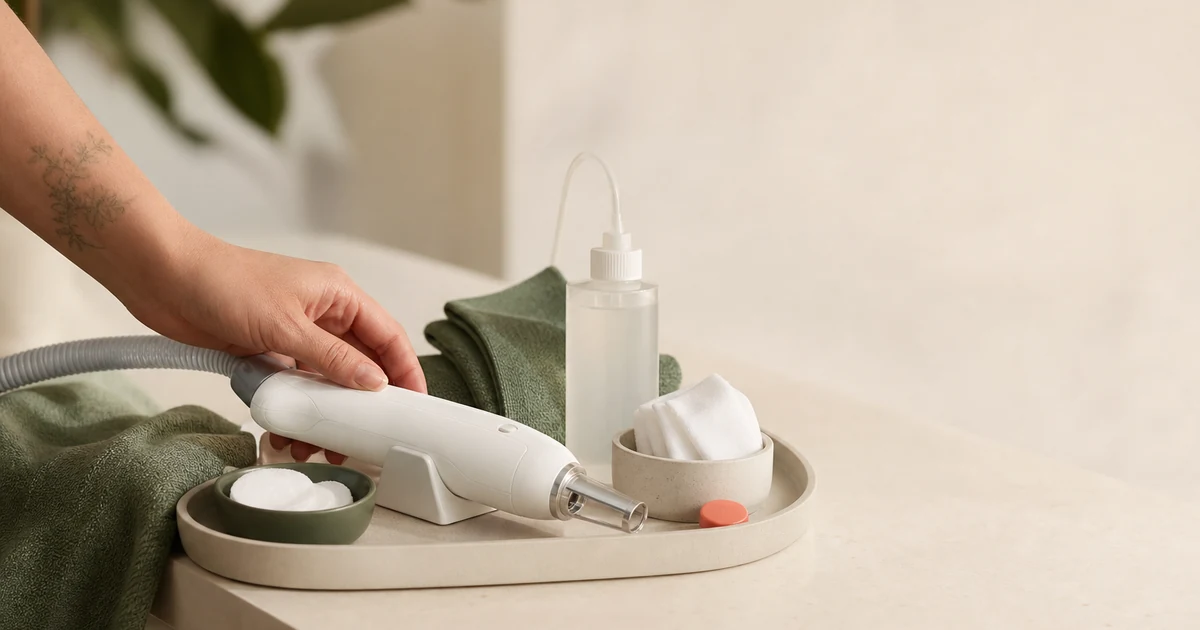
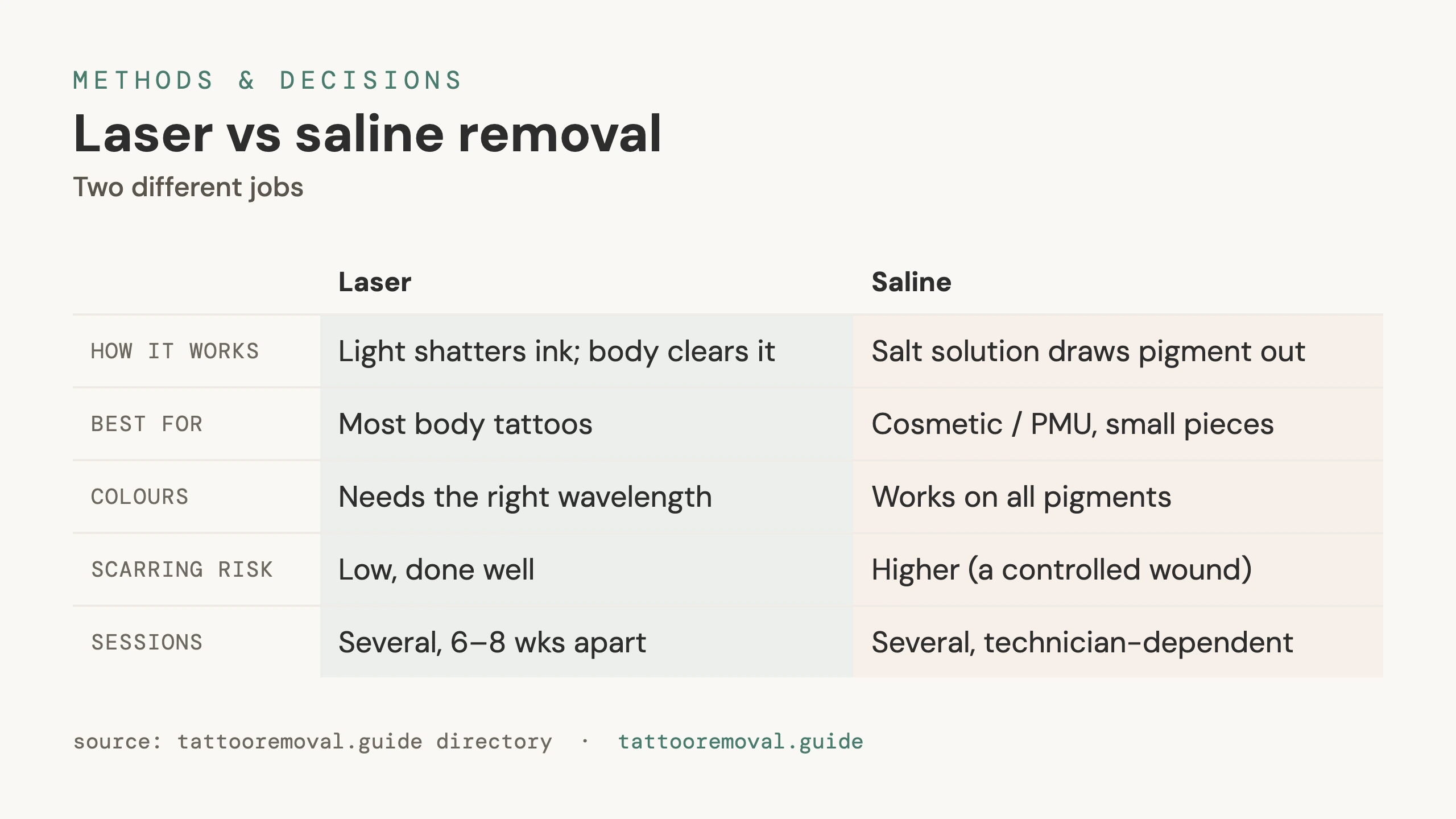 Laser vs saline removal are two different jobs — laser for most body tattoos, saline for cosmetic/PMU and small pieces.
Key Takeaways
- Laser is first-line for most body tattoos. It breaks ink into fragments with light so your immune system carries them away; it is non-invasive and works across more colours when the clinic has the right wavelengths.
- Saline has a genuine niche, not a marketing gimmick. It suits permanent makeup and microblading, very small tattoos, and some cases on darker skin or near-skin-tone pigments — situations where laser is a poorer fit.
- The trade-off is real. Saline is slower and leaves an open wound that scabs between sessions; laser needs the correct wavelength for coloured ink and can darken certain cosmetic pigments.
- Neither provider is neutral about this. Laser clinics recommend laser; saline studios recommend saline. This page is the un-conflicted read.
Laser is the first-line method for most body tattoos: it breaks ink into fragments with pulses of light, and your immune system clears them over spaced sessions. Saline removal — a technician tattoos a concentrated salt solution into the skin to lift pigment by osmosis and scabbing — has a real niche in permanent makeup, very small tattoos and some darker-skin cases, but it is slower and leaves an open wound with its own scar risk.
That is the honest summary, and it is worth stating plainly because almost nobody selling the service is neutral. A laser clinic will tell you laser. A cosmetic-tattoo or permanent-makeup studio will tell you saline. Tattoo Removal Guide sells neither — we are an independent directory of 5,700 specialist clinics across 1,043 cities (as of July 2026), and no clinic pays us to rank. So here is the comparison with the conflict removed.
Laser vs saline tattoo removal: side by side
| Laser removal | Saline removal | |
|---|---|---|
| How it works | Rapid light pulses shatter ink into tiny particles; the immune system clears them | Salt solution is tattooed into the skin; osmosis draws pigment up, the area scabs and pigment lifts with the scab |
| Best for | Most body tattoos; multicolour work (with the right wavelengths) | Permanent makeup, microblading, small tattoos, some darker-skin or near-skin-tone cases |
| Typical sessions | Often multiple sessions spaced weeks apart; varies by ink, depth and colour | Usually several sessions, spaced to allow full healing between each |
| Discomfort | Described as a hot elastic-band snap; short per pass | Comparable tattooing sensation, then a healing scab phase |
| Healing | Skin surface stays largely intact; blistering possible | Open wound each session that must scab and heal fully before the next |
| Scarring risk | Low with correct settings; possible with aggressive treatment | Present — open-wound healing and scab disruption raise the risk |
| Works on colour | Yes, colour-by-colour, if the clinic has the matching wavelength | Not colour-selective; lifts whatever pigment is present |
| Cost band | Priced per session; wide spread even within one city | Priced per small session; total depends on size and sessions |
General comparison for planning only — your provider assesses your specific tattoo, skin type and history. Sources: American Academy of Dermatology; StatPearls, NCBI.
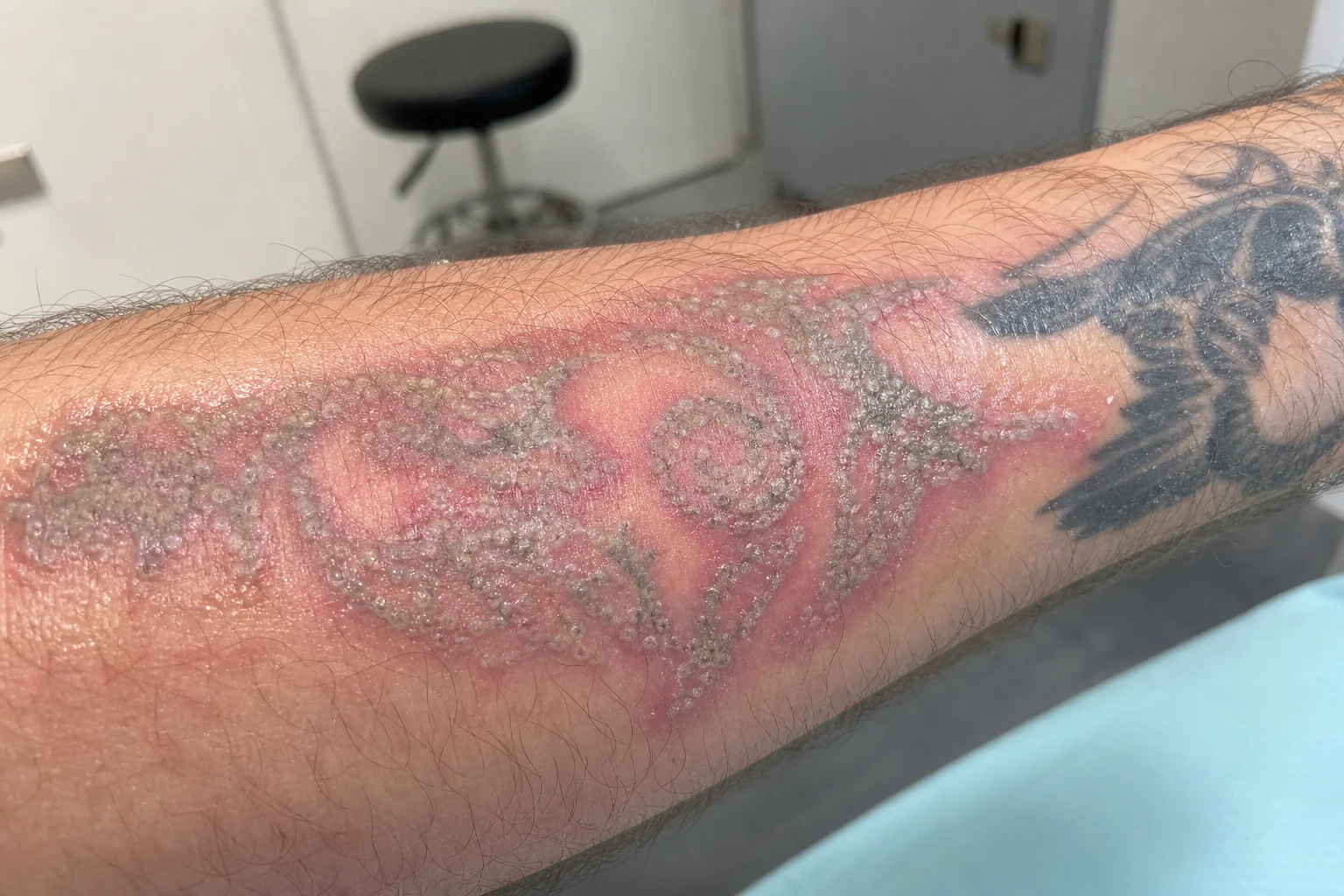 Frosting and redness immediately after a laser session.
How laser removal actually works
Laser removal uses very short, high-energy pulses of light tuned to the ink's colour. The light is absorbed by the pigment and shatters it into fragments small enough for your body's immune cells to carry away over the following weeks. Because different colours absorb different wavelengths, a clinic needs the right laser for your ink — black is the easiest, while greens and bright blues need specific wavelengths that not every clinic stocks.
That equipment question is a real one when you compare clinics. Across our directory, about 18% of the 5,700 clinics we track note picosecond technology and about 15% note Q-switched (as of July 2026) — both are effective and widely used, and neither is inherently superior. The pulse duration differs; the right choice depends on your ink and skin, which is a consultation question, not a brand contest.
The American Academy of Dermatology describes laser as the most common professional removal method and notes that most tattoos need a course of sessions rather than a single visit (AAD). The clinical review in StatPearls explains the same fragment-and-clear mechanism and why coloured ink is harder than black.
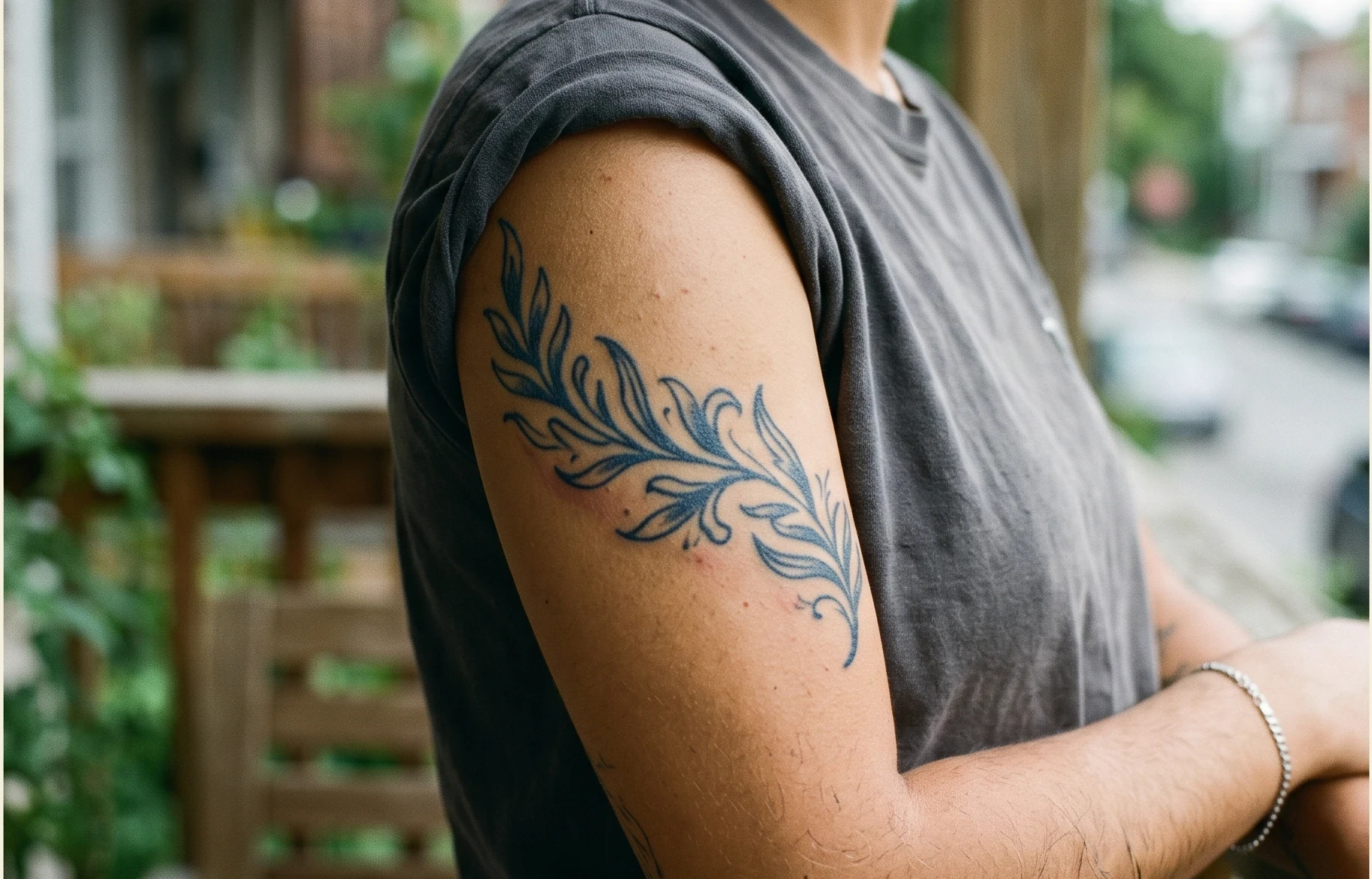 Both methods clear tattoos — over multiple sessions.
How saline removal works — and where it genuinely wins
Saline removal is a form of cosmetic tattooing in reverse. A technician uses a tattoo needle to implant a concentrated saline (salt) solution into the same layer of skin that holds the pigment. The salt creates an osmotic gradient that draws fluid — and pigment with it — toward the surface. The treated area then forms a scab, and as that scab lifts over the following days, it takes some pigment with it. It is repeated over several spaced sessions.
Saline is not a laser competitor for a large back piece. Its niche is specific and real:
- Permanent makeup and microblading. Cosmetic brow, lip and eyeliner pigments sit near the surface, and some react badly to laser — certain flesh-toned and white cosmetic inks can oxidise and turn darker under laser light. Saline sidesteps that. This is why permanent-makeup removal is often saline-led; see our dedicated permanent-makeup removal guide.
- Very small tattoos. For a tiny piece, a few saline sessions can be a reasonable route.
- Some darker skin tones and near-skin-tone pigments. Because saline is not colour-selective and does not rely on light being absorbed by pigment (which competes with melanin), it is sometimes chosen where laser carries a higher risk of pigment change — with careful, trained technique.
The honest downsides of each
No method is free of trade-offs, and a neutral read has to name both sides.
Saline's downsides. It is slower than laser, and every session creates an open wound that has to scab and heal fully before the next. Disrupting that scab, or poor aftercare, raises the risk of infection and scarring. Evidence for saline is also thinner than the decades of laser research — much of what is known is practitioner experience rather than large clinical trials.
Laser's downsides. It only works if the clinic has the correct wavelength for your ink colour, so greens, bright blues and some cosmetic inks can be stubborn or need referral to a better-equipped clinic. Laser can also oxidise certain cosmetic and flesh-toned pigments to a darker shade — which is exactly the case where saline is preferred. Temporary blistering and pigment change are possible, which is why settings and provider skill matter.
The FDA notes that no removal method is guaranteed to erase a tattoo completely without any mark, and that results depend on ink, depth and skin — a useful reality check whichever route you take.
So which should you choose?
A simple decision guide, based on what the tattoo actually is:
- Standard body tattoo, one or more colours → start with laser. Ask the clinic which wavelengths they run for your specific colours.
- Permanent makeup, microbladed brows, lip or eyeliner pigment → saline is often the safer first choice; ask about laser only for inks known to respond well.
- Very small tattoo → either can work; compare sessions, healing and total cost.
- Darker skin, or a near-skin-tone pigment laser might darken → raise both options with a provider experienced in your skin type; saline may be considered.
Whatever the method, the real variable is the provider in front of you — their equipment, their experience with your ink and skin, and their aftercare. Two clinics in the same city can differ widely on price and capability, which is the case for comparing before you book rather than taking the first quote.
For the fuller map of every removal route — including creams, surgical excision and dermabrasion — see our tattoo removal methods compared pillar.
This article is general information, not medical advice. Tattoo removal outcomes, session counts and scar risk vary by person, ink and skin — consult a licensed provider before starting treatment.
Frequently asked questions
Is laser or saline better for tattoo removal?
For most standard body tattoos, laser is the first-line method — it breaks ink with light so the immune system clears it, and it works on more colours. Saline removal has a real niche in cosmetic and permanent-makeup work, very small tattoos, and some darker-skin cases, but it is slower and leaves an open wound. Neither is universally "better" — it depends on the ink, the area and your skin.
How does saline tattoo removal work?
A technician tattoos a concentrated salt (saline) solution into the same skin holding the pigment. The salt draws fluid and pigment toward the surface through osmosis; the area then scabs, and pigment lifts as the scab forms and falls away. It usually takes several spaced sessions and creates an open wound that must heal fully between each one.
Is saline tattoo removal safer than laser?
Neither is categorically safer. Saline avoids laser light and can suit permanent-makeup and some darker skin tones, but it creates an open wound each session, which carries infection and scarring risk if aftercare is poor. Laser is well studied and non-invasive but needs the correct wavelength for the ink colour. Both should be done by a trained provider — this is general information, not medical advice.
Does saline remove coloured tattoos?
Saline removal is not colour-selective — it lifts whatever pigment sits in the treated skin, which is one reason it is used for permanent makeup and near-skin-tone pigments that laser can darken. It is slow and best suited to small areas. For larger multicolour body tattoos, laser with the right wavelengths is usually the more practical route.
Which is cheaper, laser or saline tattoo removal?
It depends on size and number of sessions, not the method label. Laser per-session pricing spans widely even inside one city — Melbourne's typical band is about $50–$200 per session (as of July 2026). Saline is usually priced per small session too. Because both need multiple visits, compare the likely full course, not a single session.
Can you use saline to remove permanent makeup and microblading?
Yes — saline is a common choice for permanent-makeup and microbladed brows, where the pigment sits near the skin surface and laser can sometimes oxidise certain cosmetic inks to a darker colour. A trained cosmetic-tattoo technician performs it. See our permanent-makeup removal guide for how that differs from body-tattoo removal.
Ready to compare your options? Find clinics offering laser or saline removal near you and check equipment, pricing and reviews side by side — or start with the spread in a specific city like Melbourne.
Related guides
Related Guides
- Choosing Removal
Tattoo Regret: You Have More Options Than You Think
Regret a tattoo? You're not alone — about 24% of tattooed people do. Your real options: accept, rework, cover up or remove — and why not to decide too fast.
- Choosing Removal
Tattoo Removal Methods Compared: What Works in 2026
Laser, saline, excision, dermabrasion, acid, creams — every tattoo removal method compared on sessions, cost, scarring and colour, by an independent directory.
- Choosing Removal
Surgical Tattoo Removal: When Cutting It Out Beats Laser
Surgical tattoo removal cuts out the inked skin in one or a few visits, regardless of colour — but always leaves a scar. When it beats laser, explained.