Removing Cosmetic Tattoos: Microblading, Lip Blush and Eyebrows
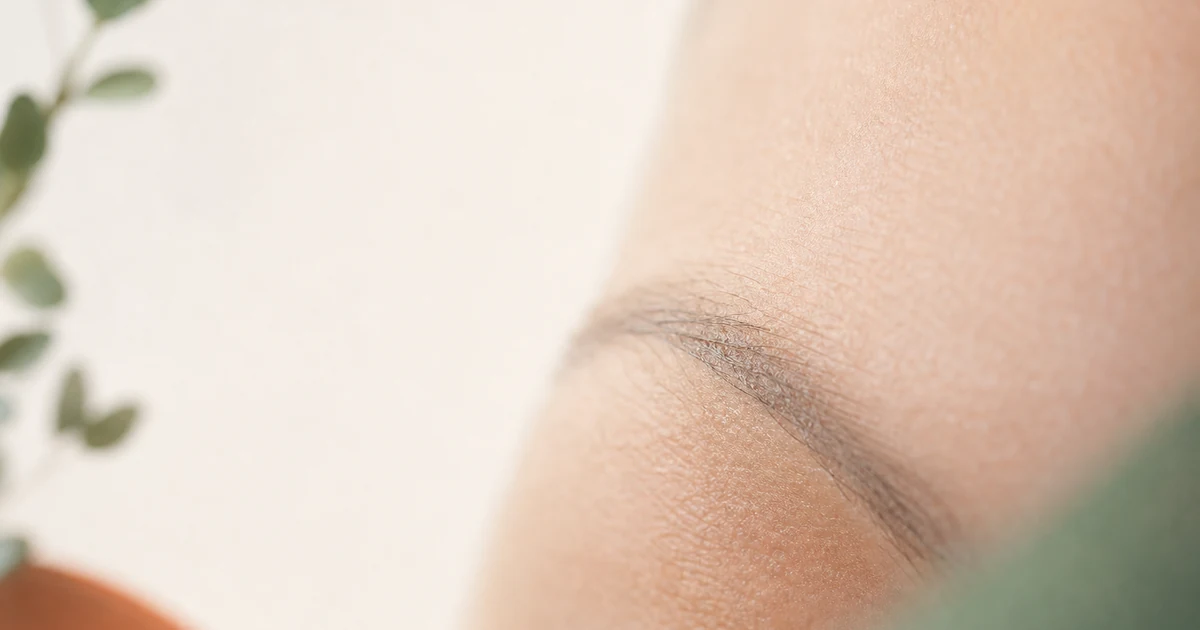
Your brows just went from soft brown to a bruised blue-grey the moment the laser touched them, and now you're standing in front of the mirror wondering if you've made things worse. You haven't — probably. But nobody told you that could happen, and that's the real problem with cosmetic tattoo removal: it doesn't work like removing a black-ink design off your arm, and most people only find out why after it's already happened to their face. The reason is the pigment itself. Many cosmetic inks contain iron oxide and titanium dioxide, and those specific minerals can flash dark the instant a laser hits them.
Why cosmetic tattoo removal is its own category
Body tattoos are usually carbon-based black or coloured inks sitting deep in the dermis. Cosmetic and permanent-makeup (PMU) pigments are different. Brow, lip and eyeliner work often uses mineral pigments — iron oxide for brown and red tones, titanium dioxide for white and flesh-tone mixers — placed shallow in the skin so the colour reads softly under the surface.
That shallow placement helps in one way: less ink, closer to the surface. But the chemistry creates a specific risk that body-tattoo removal rarely faces, and it changes how a clinic should approach the work.
The iron-oxide darkening problem
When a laser strikes iron oxide or titanium dioxide, the pigment can undergo a chemical change called reduction. A light brown brow can instantly flash to a dark grey, blue, or near-black that looks worse than the original. This is sometimes called paradoxical darkening, and it is the single most important thing to understand before booking a session.
Darkening does not mean the tattoo is permanent. In most cases a darkened patch can still be cleared with further sessions. But it is unsettling to see, and it is the reason a careful clinician does a small test patch first — treating a tiny, less visible area and watching the result before committing to the full brow or lip.
A few practical points clinicians weigh up:
- Test before you treat. A patch test on cosmetic work is standard practice, not over-caution.
- Colour matters more than it does on body ink. Whites, flesh tones and "corrected" brows (where a technician has layered over old pigment) are the hardest to predict, because you cannot always tell what is underneath.
- The right laser for your tattoo. Picosecond and Q-switched lasers are both used for cosmetic removal; the operator's experience with PMU and their willingness to test conservatively usually matters more than the machine on the wall.
Saline and other non-laser methods
Because of the darkening risk, some technicians remove cosmetic tattoos with saline (a salt-based solution tattooed into the area to lift pigment as the skin heals) rather than laser. Saline avoids the iron-oxide reaction entirely and is often chosen for lips and brows, though it usually needs several sessions and works best on fresher, lighter work.
Saline is not automatically gentler or faster — it is a different trade-off. Laser tends to be more predictable on darker pigment; saline sidesteps the colour-change risk but can be slower. A good consultation should explain both and recommend based on your specific pigment, not a one-size answer.
What to expect: time, sessions and comfort
Cosmetic tattoos are smaller than most body work, so individual sessions are short. Like all removal, results build gradually across the 6–8 week clearing window — the gap between sessions that lets your immune system carry away the fragmented pigment before the next pass. Most people need several sessions, and faded or older PMU often clears faster than fresh, heavily layered work.
Two cautions specific to the face:
- The eye area is delicate. Eyeliner removal sits close to the eye and calls for protective eye shields and an operator who treats this area regularly. This is not a place to chase the cheapest quote.
- Manage expectations on "perfect" skin. Removal aims to clear the pigment; it cannot guarantee the skin returns to exactly how it looked before the original tattoo.
Anything involving medication, surgical excision, or a reaction you are worried about should go to a doctor or dermatologist rather than a removal technician.
How clinics differ — and why price varies
Cosmetic removal is a specialist skill, and not every clinic that removes body tattoos handles PMU well — plenty of general laser clinics will still take your booking. Pricing spreads widely for the same kind of work: typical Melbourne sessions run about $50 to $200 (as of July 2026), a 3.9× swing between clinics in the same city, and about 62% of clinics across the directory don't publish a price at all (as of July 2026). For a small, fiddly procedure this close to your eyes, that price gap usually isn't padding — it's the difference between a technician who does two brows a month and one who's done hundreds and knows exactly how your specific pigment will react before the first pulse.
Look for a clinic that treats cosmetic tattoos specifically, offers a patch test, and can explain the iron-oxide risk before you book — and be honest with yourself that the cheapest quote on a brow is a worse place to economise than the cheapest quote on a forearm.
Frequently asked questions
Can laser remove microblading and powder brows?
Usually, yes — but cosmetic brow pigments can darken when first hit by a laser because of iron oxide in the ink. A reputable clinic does a small test patch first to see how your pigment reacts before treating the whole area.
Why did my eyebrow tattoo turn grey or black after laser?
That is paradoxical darkening, a chemical change in mineral pigments like iron oxide and titanium dioxide. It looks alarming but is usually treatable with further sessions. It is also the main reason a test patch is done first.
Is saline removal better than laser for cosmetic tattoos?
Neither is universally better. Saline avoids the pigment-darkening risk and is often used on lips and brows, while laser tends to be more predictable on darker pigment. The right choice depends on your specific pigment and how layered the work is — a consultation should explain both.
How many sessions does cosmetic tattoo removal take?
It varies with the pigment, depth and how faded the work already is. Most people need several sessions spaced about 6–8 weeks apart, and lighter or older PMU often clears faster than fresh, heavily layered brows.
Is removing eyeliner tattoos safe?
Eyeliner removal is done close to the eye and requires protective eye shields and an experienced operator. It can be done safely, but choose a clinic that treats this area regularly rather than the cheapest available quote.
Before you book a brow, lip or eyeliner session anywhere, find out if the clinic actually does PMU removal regularly or just says yes to any laser job. See which clinics near you list cosmetic and PMU removal — and check for a patch test before you commit your face to a guess.
Related Guides
- Cosmetic & PMU
Why Permanent Makeup Fades (and Turns Orange or Grey) (2026)
Why permanent makeup fades and shifts colour, explained neutrally: shallow pigment placement, iron-oxide oxidation, sun exposure and skin turnover, why warm browns…
- Safety & Risks
Why a Patch Test Matters Before Tattoo Removal (2026)
Why does a patch test matter before laser tattoo removal? It reveals how your skin and ink react — blistering, pigment change, rare reactions — before a full…
- Safety & Risks
Who Should Not Get Laser Tattoo Removal? The Contraindications
Who should not get laser tattoo removal? Most adults are candidates. The full contraindications checklist — when to wait and when to discuss carefully.