Clinic Guidance vs DIY Sun Care During Tattoo Removal
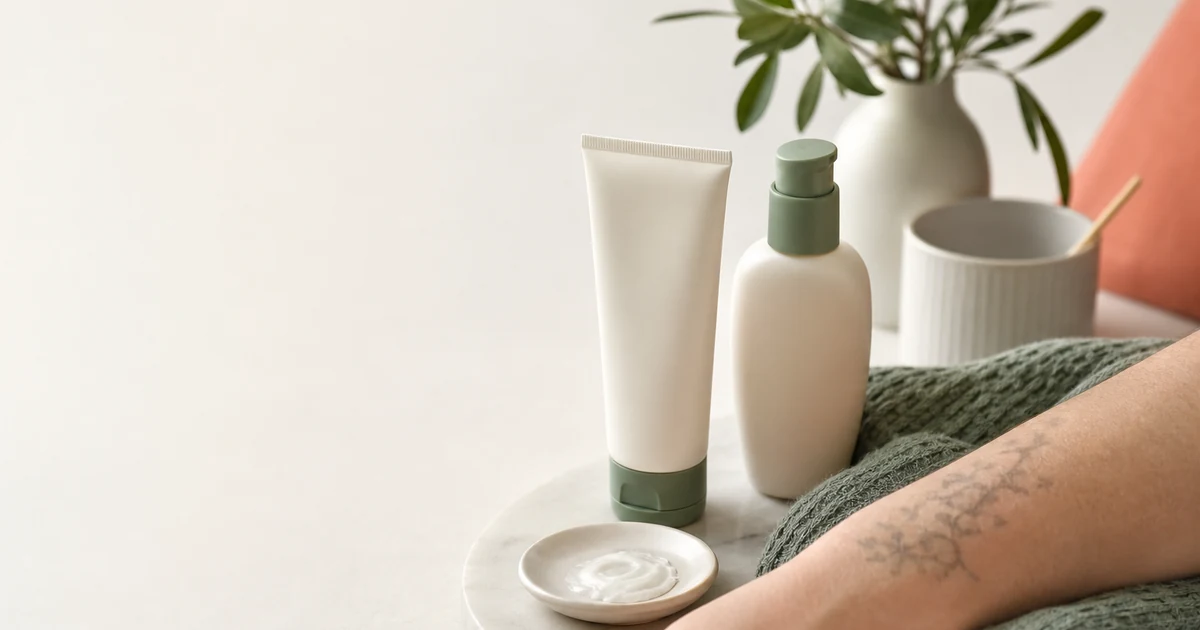
You are three sessions in. Summer is here — northern hemisphere at peak UV, southern hemisphere wrapping up — and someone is suggesting you just slap on some sunscreen and get back in the sun like normal. It is a reasonable instinct. Treated skin does not look injured.
The problem is that laser-treated skin is not ordinary skin. There is a gap between what good clinics advise and the shortcuts people try at home, and that gap has real consequences for results and skin health. This page explains both sides so you can have a useful conversation with your clinic before sun exposure becomes a problem.
What the laser is actually doing to the skin
Laser tattoo removal works by sending targeted light pulses that shatter ink particles into fragments small enough for the immune system to carry away over the following weeks. That clearing process — the reason most treatments take 8 to 12 sessions spaced 6 to 8 weeks apart — is also why sun care matters so much in this window.
Each session creates transient inflammation in the treated area. The skin's melanin response — the same mechanism that produces a tan — is temporarily heightened. Expose that inflamed, sensitised skin to UV in the days after a session and you give it a second injury on top of the first. The risks are not theoretical: post-inflammatory hyperpigmentation (PIH) is one of the most common complications in people who do not protect treated skin from sun exposure, particularly in those with medium to darker skin tones.
The laser itself does not care what season it is. But the sun does matter — and so does timing.
What good clinics advise
There is reasonable consistency in standard-of-care guidance from experienced laser clinics. It is worth knowing what responsible post-treatment advice looks like, so you can recognise it (and ask for it) when comparing providers.
Before a session
Most clinics want the treated area to have had minimal sun exposure for two to four weeks before an appointment. Tanned skin has more active melanin, which means the laser has to work around a competing target. In some cases a visible tan can prompt a clinician to reduce fluence (energy level), potentially reducing effectiveness. In others, a very fresh tan is a reason to reschedule. This is not a technicality — it directly affects how safely the session can be delivered.
Immediately after a session
In the hours following a session, the skin is typically warm, sometimes raised, and sensitive to touch. Standard advice is to keep the area out of direct sunlight entirely for at least the first day or two — ideally longer. This means covering the area physically, not relying on sunscreen alone.
Across the treatment course
For the duration of the treatment course — which spans months, given the 6–8 week spacing between sessions — clinics generally recommend daily broad-spectrum sunscreen (SPF 30 or higher) on treated areas whenever there is sun exposure. This is not a luxury precaution. It is the baseline maintenance that protects against PIH between sessions, particularly for anyone spending extended time outdoors.
What qualified clinicians are watching for
At a reputable clinic, the practitioner assesses the treated area at each session. Evidence of recent sun exposure, unexpected pigment changes, or poor healing will affect the session plan — settings, timing, or a direct conversation with you. This ongoing check is part of what separates a clinical setting from a walk-in.
The home shortcuts people try — and what they are actually doing
People find workarounds. Here are the most common ones and what they miss.
"I'll just apply more sunscreen"
Sunscreen is an important part of aftercare, but it is not designed to substitute for avoiding sun exposure on freshly treated skin. Broad-spectrum SPF 50 reduces UV exposure significantly, but it does not eliminate it — and in the first 48–72 hours after a session, when the skin is still acutely inflamed, the residual UV load matters. More critically, most people apply less sunscreen than the tested amount, and very few reapply correctly during extended sun exposure. The protection delivered in practice is a fraction of the labelled SPF.
If the alternative is full sun exposure on the day of treatment, high-SPF sunscreen is far better than nothing. But it is not an equivalent replacement for the physical protection — clothing, shade — that clinicians typically recommend.
Self-tanning products to pre-empt the "tan line" problem
Some people apply self-tanner to avoid the contrast where treated skin looks lighter than surrounding tanned skin. Self-tanning products (dihydroxyacetone-based) do not involve UV, but the colour change can obscure the clinical assessment at the next session. Check with your clinic before using any tanning product on or near a treated area.
Indoor tanning as the safer alternative
Sunbeds emit UVA and, to varying degrees, UVB. The argument that they are more "controlled" than natural sun does not hold for treated skin — the UV exposure is real, and the risk of PIH is the same. Responsible clinics advise against tanning beds for the same reason they advise against sun exposure.
Natural remedies for healing
Anecdotal remedies — vitamin E oil, coconut oil — are mostly harmless but should not substitute for the clinic's specific aftercare guidance. Some oils, particularly those with fragrance compounds, can cause reactions on sensitised skin. Ask the clinic what to apply (and what to avoid) before the next session.
Northern summer, southern winter — why the season shapes the conversation
For readers in the northern hemisphere — US, UK, Canada — June is peak UV. People are outdoors more, outdoor clothing is minimal, and the gap between ambient sun exposure and the clinic's advice is at its widest. If you have started a course, or are considering one, the timing question is worth raising explicitly at your next appointment.
For readers in Australia, New Zealand, and the southern hemisphere, June is mid-winter — lower UV, more clothing, and easier sun-avoidance compliance. Starting a course now in Melbourne or Sydney and completing as many sessions as possible before the high-UV months (November–February) arrive is genuinely sound planning.
The calendar does not change the biology. It changes how hard it is to follow the advice.
Which approach is right for you
There is no meaningful debate between "what good clinics advise" and "DIY home shortcuts" — the clinical guidance exists because the evidence for PIH risk and healing complications is real. The question is how to apply that guidance to your actual life.
If your treatment is already underway
Ask your clinician: how much sun exposure is acceptable at this stage, what SPF do they recommend, and what should you do if you have already had significant sun exposure since your last session. A good practitioner will give a specific answer rather than a blanket "avoid the sun."
If you are considering starting a course over summer
It is not a reason to postpone indefinitely. Some clinics suggest starting on a body part that is easier to cover; some adjust session intervals to give the skin more recovery time. A clinic that does not raise sun care at the initial consultation is one to question.
If you are in a low-UV window now (southern winter)
Starting a course in the southern winter, completing as many sessions as possible before the high-UV months arrive, is sound planning. The skin enters summer further along in healing.
Compare clinics in your city
Aftercare guidance varies between clinics. Some discuss sun care explicitly at consultation; some provide written aftercare instructions; some do neither. Because this information is rarely listed publicly, asking about it before you book is one of the faster ways to distinguish a thorough provider from one that is not.
The directory lists thousands of clinics across the US, UK, Australia, Canada, and New Zealand — none of them pay to rank higher, and no leads are sold. Search by city to compare providers near you, see ratings and reviews, and check whether they offer free consultations.
Compare tattoo removal clinics in your city →
Frequently Asked Questions
(rendered as FAQPage schema — see frontmatter faqItems)
No clinic pays to rank higher in this directory, and no leads are sold. The guidance above reflects standard-of-care practice; your clinic should be your first point of contact for advice specific to your skin, your tattoo, and your treatment stage.
Related Guides
- Aftercare & Recovery
Tattoo Removal and Summer Sun: What Clinics Actually Advise
What clinics actually advise about sun exposure, tanning, and SPF between tattoo removal sessions — and when a session should be postponed.
- Aftercare & Recovery
North vs South: The UV-Aware Tattoo Removal Aftercare Calendar (2027)
A month-by-month UV aftercare calendar for tattoo removal, mapped to both hemispheres — because 'avoid summer sun' means opposite months by location.